Vietnam has it all: more than 2,000 miles of coastline, two dynamic cities anchoring the north and south, and misty highlands and ancient ruins dotted in between.
Whether you’re drawn to the energy of a major city where mopeds buzz by like swarms of bees, the calm of a sandy beach or the appeal of small towns and rural traditions, you can find what you need at a pace that suits you.
Here are three vastly different ways to experience Vietnam — city, beach and small-town charm — either one at a time or all together for a deeply rewarding adventure.
Experience Vietnam’s cosmopolitan side
Many international trips to Vietnam begin in Ho Chi Minh City, and while it can feel like diving into the deep end, it’s an exhilarating place to start. As you get your bearings, wander the bustling streets of Sài Gòn Ward, part of the historic downtown area in the former District 1. You’ll spot century-old trees, beautiful churches, historic markets and street food stands galore.
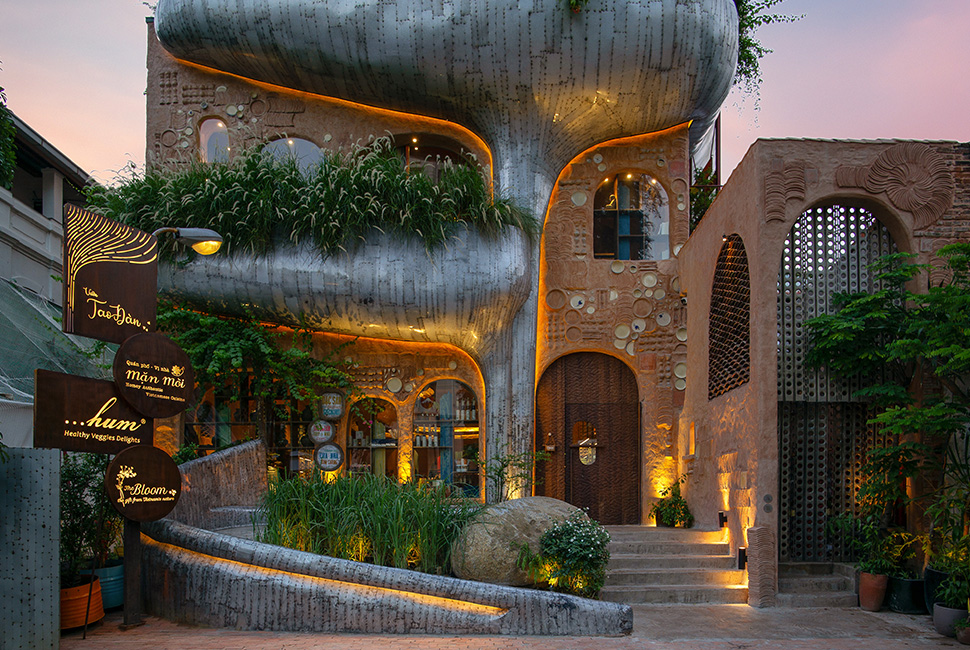
After slurping pho (the country’s most famous soup) or banh canh cua (crab noodle soup) on a plastic stool for an authentic meal, stop by former war correspondents’ haunts like the Rooftop Garden Bar at the Rex Hotel for a refreshment, then dip into Ho Chi Minh City’s more contemporary and creative side. The city’s energy is palpable, especially in Thao Dien, part of An Khánh Ward across the Saigon River, where a new generation of designers, entrepreneurs and chefs puts a fresh stamp on Vietnamese traditions.
Under canopies of cascading bougainvillea and giant crape myrtles, browse playful Vietnamese-made art and design at OHQUAO, stop by HÔM café for matcha and doughnuts and then explore the neighborhood’s indie fashion boutiques and galleries. Come evening, head back downtown for tropical cocktails and sunset views over the skyline at the Banana Mama rooftop bar.
Where to stay
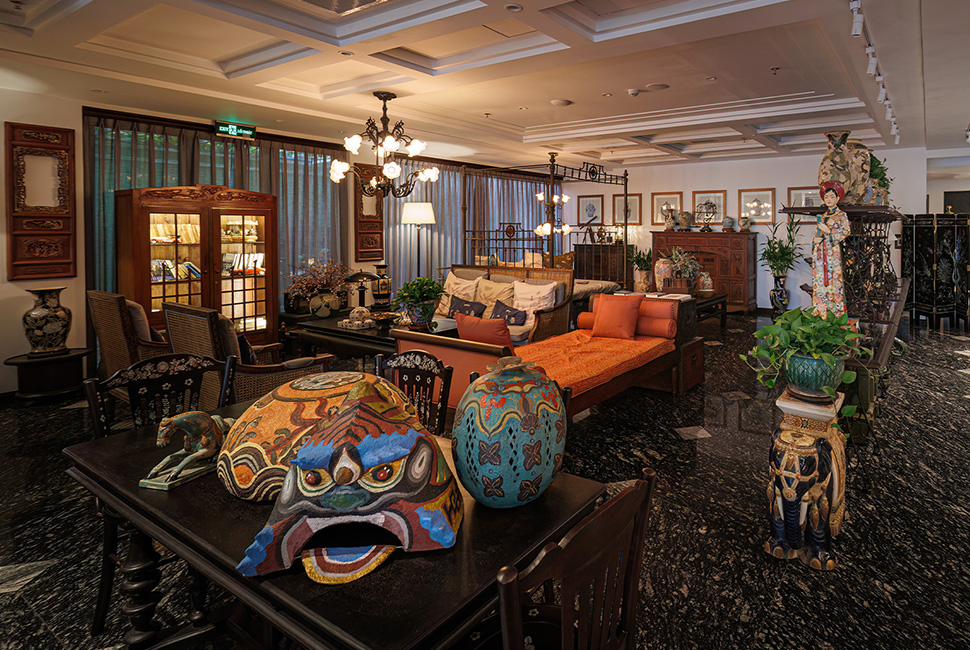
Unpack your bags at Amanaki Thao Dien, an intimate, art-filled boutique hotel in one of Ho Chi Minh City’s trendiest neighborhoods. Tucked away from the city’s frenetic pace, the 29-room property doubles as a gallery, with antique ceramics, intricately carved woodwork and contemporary Vietnamese art around every corner. Warm wood tones, upcycled furniture and wonderfully eclectic flea-market finds lend the interiors a collected, residential feel, making it easy to settle in and stay awhile.
Art lovers will appreciate the dedicated exhibition space and creative workshop, which have opportunities to engage more closely with the city’s thriving creative scene. Meanwhile, the hotel’s nature-inspired neo-bistro, NUC Concept Kitchen & Bar, occupies a former schoolhouse embedded in greenery, where the zero-waste kitchen puts a soulful, modern spin on regional Vietnamese dishes using local ingredients like tamarind, chilies and indigenous herbs.
Between outings around Thao Dien, be sure to leave time for a refreshing dip in the rooftop infinity pool or a visit to the hotel’s well-being center, where tech-forward treatments and holistic therapies offer a welcome antidote to the city’s energy.
Escape to a slice of coastal paradise
After the quick-fire pace of Ho Chi Minh City, Cam Ranh feels like entering a whole other world. Just a one-hour flight northeast of the city, this laid-back destination centers on Bai Dai Beach (meaning “Long Beach”), which lives up to its name with about a nine-mile stretch of powdery silvery sand and turquoise waters, hugged by dramatic rocky headlands.
The area gets more than 300 days of sunshine each year and is especially lovely from December through April, when skies are at their clearest. Despite its alluring climate and natural beauty, this coastline remains surprisingly uncrowded. Although Cam Ranh International Airport serves as the major gateway to the better-known, more heavily developed resort city of Nha Trang to the north, Bai Dai still seems wonderfully secluded.
In Cam Ranh, the pace winds way down, almost to a halt, save for the predictable rhythms of sunrise and sunset, lapping tides and swaying palms overhead. Start your morning with sunrise yoga by the water, a slow walk along the sand or a robust Vietnamese iced coffee with a good book. In this little slice of paradise, you can be as active or unhurried as you like.
While it may be hard to pry yourself away, there’s plenty to do beyond the Bai Dai resort. Golf lovers will appreciate the 27-hole, Greg Norman-designed KN Links championship golf course just a short drive away. Culture mavens can get a taste of local life at Tu Van Pagoda (also known as the Shell Pagoda), a working Buddhist temple adorned with millions of shells and coral fragments, or at Cam Duc Market, an area brimming with everything from fresh seafood and produce to everyday essentials.
If you’re feeling adventurous, take a day trip to fishing communities on the Binh Lap Peninsula or head north of Nha Trang to Ba Ho Waterfalls, where three natural pools are tucked amid forested hills and rocky outcrops.
Nha Trang also makes an excellent stop. Go on an island-hopping adventure around the bay, snorkel among coral reefs or indulge in a mineral-rich mud bath on Hon Tam Island. Back on the mainland, don’t miss the fresh seafood — displayed live in tanks — at no-frills local institutions like Quán Hải Sản Thanh Sương or Lương Sơn Cảng.
While in Nha Trang, it’s also worth exploring the Po Nagar Cham Towers, an ancient temple overlooking the Cai River. Built and expanded by the Cham people between the 8th and 13th centuries, the complex still has four red-brick towers standing atop a hillside. Weaving in and out of the narrow openings, you’ll find centuries-old carvings and atmospheric shrines filled with offerings from worshippers who continue to visit this sacred site today.
Where to stay
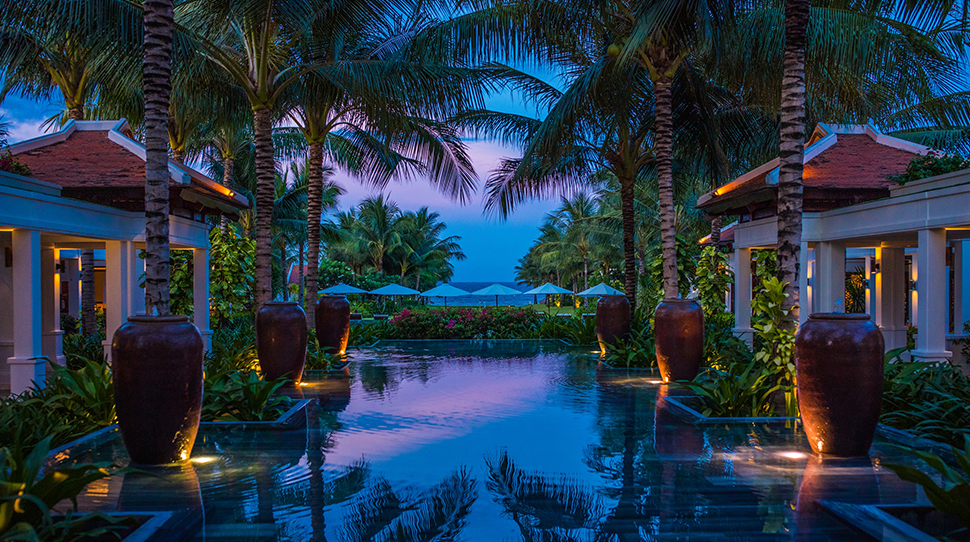
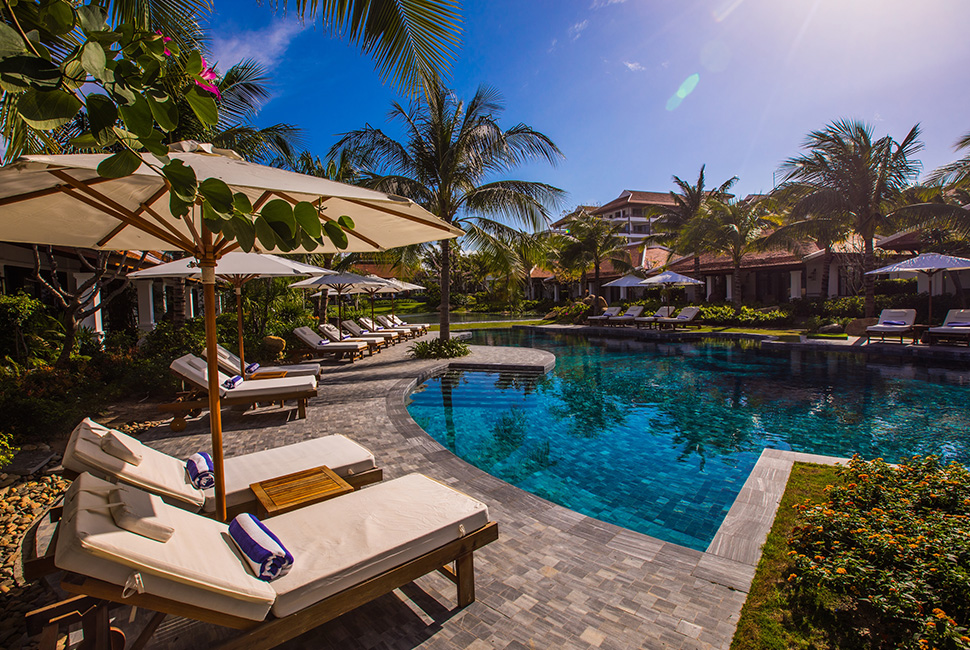
Set along the white sands of Bai Dai Beach, The Anam Cam Ranh evokes Indochine-era romance with imperial pitched roofs, mosaic tile floors, peaceful water features and lush tropical gardens with more than 3,000 palm trees. Spanning 30 acres, the 213-room resort feels intimate and serene, making it easy to slip into vacation mode. When choosing a room, spring for one of the spacious sea-view villas overlooking the meticulously manicured central lawn, presenting beautiful sunrise views over the coast.
Spend your time as you please, wading between the three pools, catching up on your reading with your feet in the sand or indulging in a spa journey inspired by local ingredients, like a rice body scrub or natural mud body wrap. Tennis, water sports, mini golf and a 3-D cinema offer plenty more diversions, too.
Dining is another highlight. On “Mama’s Cooking” nights at Lang Viet, the resort’s open-air Vietnamese restaurant facing the beach, the mothers of staff members take over the cooking stations to share cherished family recipes and techniques with guests. If you prefer fine dining, The Colonial serves a six-course degustation menu with live piano music.
Step into Vietnam’s storied past
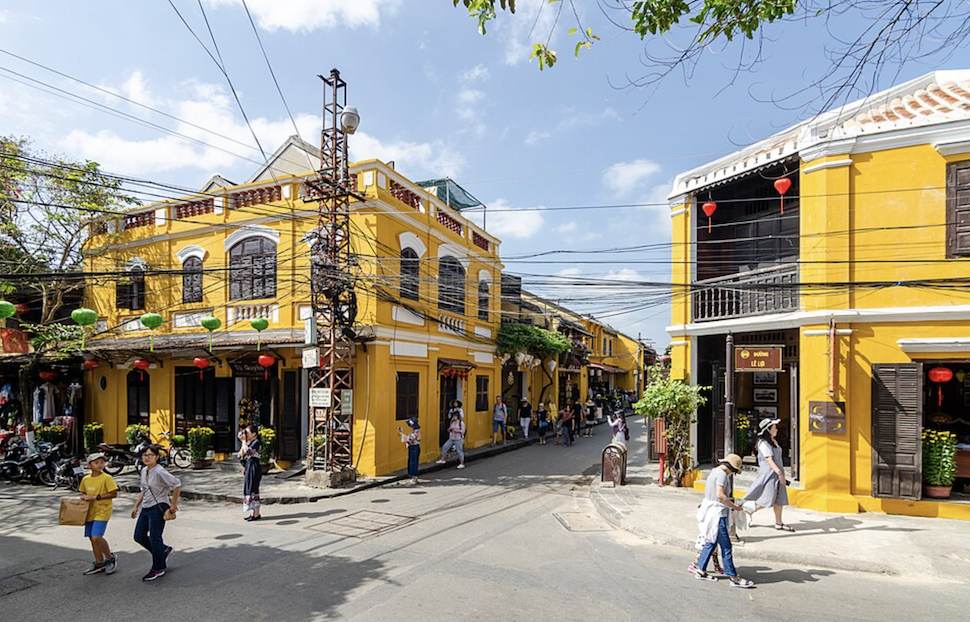
With its ochre facades, tumbling bougainvillea and winding alleyways, Hoi An is as charming as it is cinematic — a place where time moves at its own pace. Once a bustling trading port, this beautifully preserved town drew merchants from China, Japan and Europe who came to buy and sell silk, spices and ceramics.
A UNESCO World Heritage Site, Hoi An Ancient Town is best known for its distinctive shophouses, artisan crafts and lantern-lit streets. Kick things off by exploring the tailor shops, ornate Chinese assembly halls and iconic Japanese Covered Bridge, which offer glimpses into Hoi An’s multicultural past. Next, be sure to stop for a bowl of cao lau (the area’s signature noodle dish) or a crispy banh mi sandwich. Then pop into one of the many cafés, such as Mê Hội An Rooftop Coffee & Kitchen for an artful latte or Reaching Out Tea House for high-quality teas and a serene atmosphere before browsing the handmade crafts at its sister shop nearby.
Beyond the old town, venture into the surrounding countryside — ideally on a bike or scooter — to discover emerald rice paddies, sleepy fishing villages and working farms. In Tra Que Vegetable Village, for example, join local farmers to learn about traditional agricultural techniques and take a cooking class. You can also explore the region’s waterways aboard a customary basket boat, try your hand at lantern-making or take part in a hands-on weaving lesson.
For a deeper dive into the region’s history, plan a detour to My Son Sanctuary, a UNESCO-listed Hindu temple complex the Cham people built over hundreds of years, beginning in the 4th century. Nestled in a lush valley surrounded by rolling hills, the weather-worn brick towers speak to the political and religious importance of the Champa Kingdom, which once ruled much of central Vietnam.
Where to stay
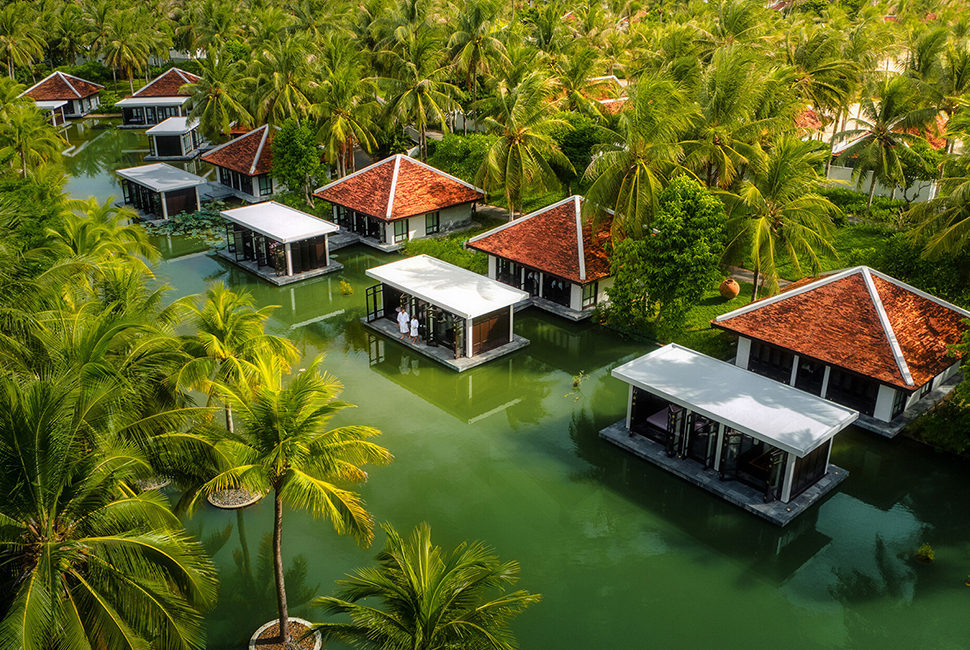
Set on a seductive stretch of sand between Hoi An and Da Nang, Forbes Travel Guide Five-Star Four Seasons Resort The Nam Hai, Hoi An provides a luxurious home base for exploring Central Vietnam. Inspired by nha vuon, or traditional Vietnamese garden homes, the all-villa resort resembles a tropical paradise, immersing you in towering coconut palms, fragrant frangipani trees and outdoor living spaces with sweeping views of the East Sea.
Between Hoi An adventures, take your pick from one of the resort’s three cascading infinity pools, which flow like a blue artery through the heart of the property. Or slow things down at The Heart of the Earth Spa, where treatment pavilions seem to float on a serene lagoon studded with colorful lotus flowers. Rituals here draw on the teachings of Thich Nhat Hanh, the renowned Vietnamese Zen master. Deep-release massages and crystal singing bowl sessions provide a particularly soothing way to unwind after a day of sightseeing.
For an especially memorable stay, opt for a pool villa, where private gardens, generous indoor and outdoor living spaces, and your own swimming pool make it tempting to extend your stay.
