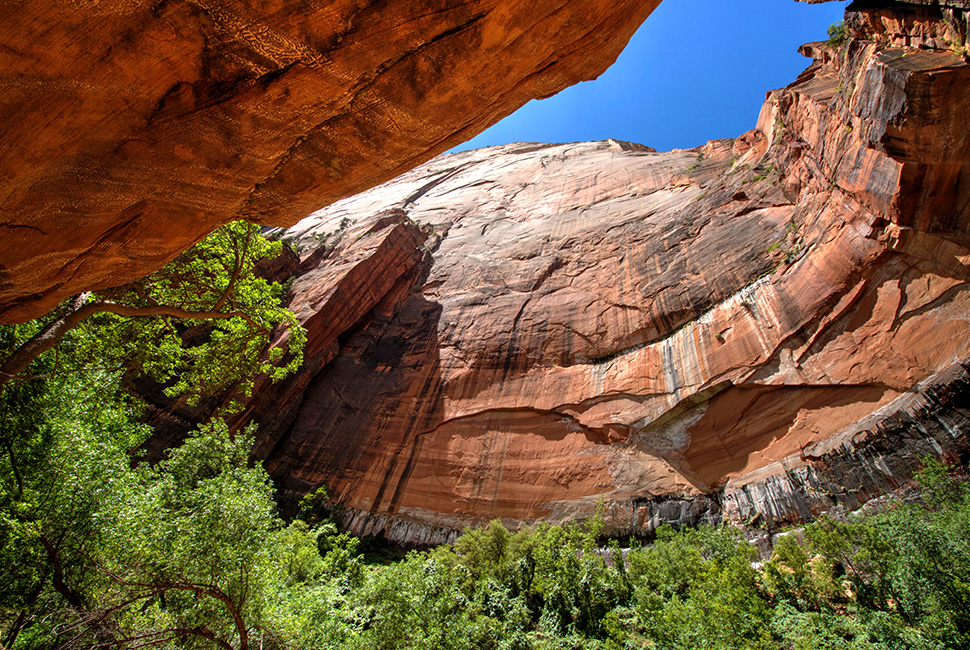
Utah’s landscapes are vast, cinematic and deeply varied, from alpine peaks to sculpted desert canyons. What elevates a trip here is how those natural wonders are paired with stays that feel equally intentional.
The state reveals itself through distinct regions, each with a different pace and perspective. From the mountainous refinement of Park City to the quiet expanse of Canyon Point to the dramatic scale of Zion National Park, these destinations showcase Utah’s range at its best.
Park City: Alpine Energy Meets Elevated Après
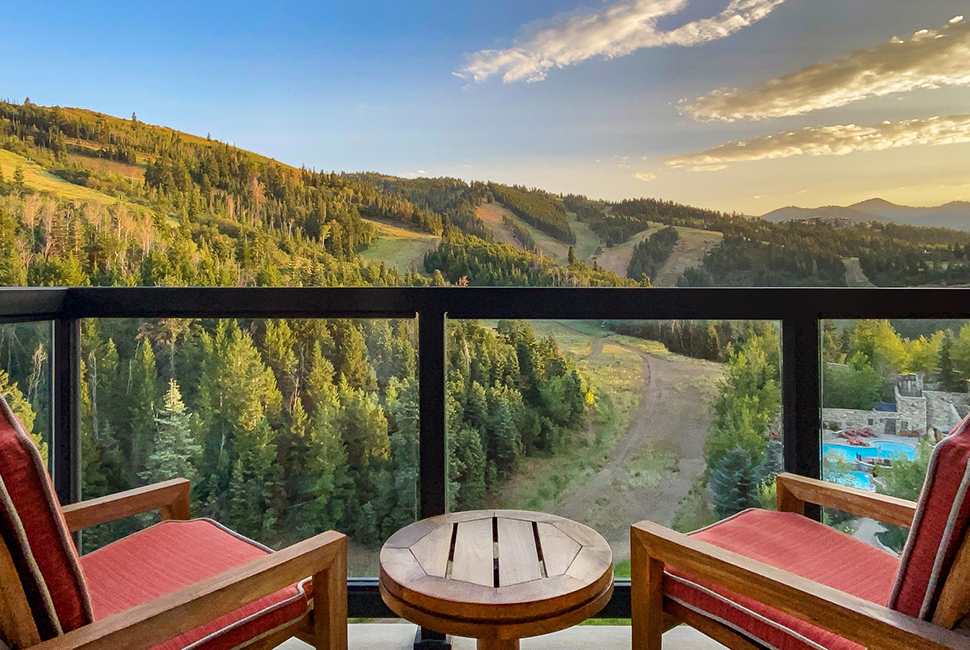
Park City is polished and compelling in every season. For a stay that fully captures the destination’s spirit, Forbes Travel Guide Four-Star St. Regis Deer Valley provides a refined and well-positioned base.
Arrival sets the tone as guests ascend via the resort’s private funicular, which builds anticipation. At the top, expansive mountain views, standout restaurants La Stellina and RIME Seafood and Steak and seamless ski-in, ski-out access define the stay.
In warmer months, Park City settles into a quieter rhythm with just as much to offer. Hiking and mountain biking trails extend in every direction, while outdoor concerts, fly fishing and scenic lift rides provide a balanced mix of activity and ease.
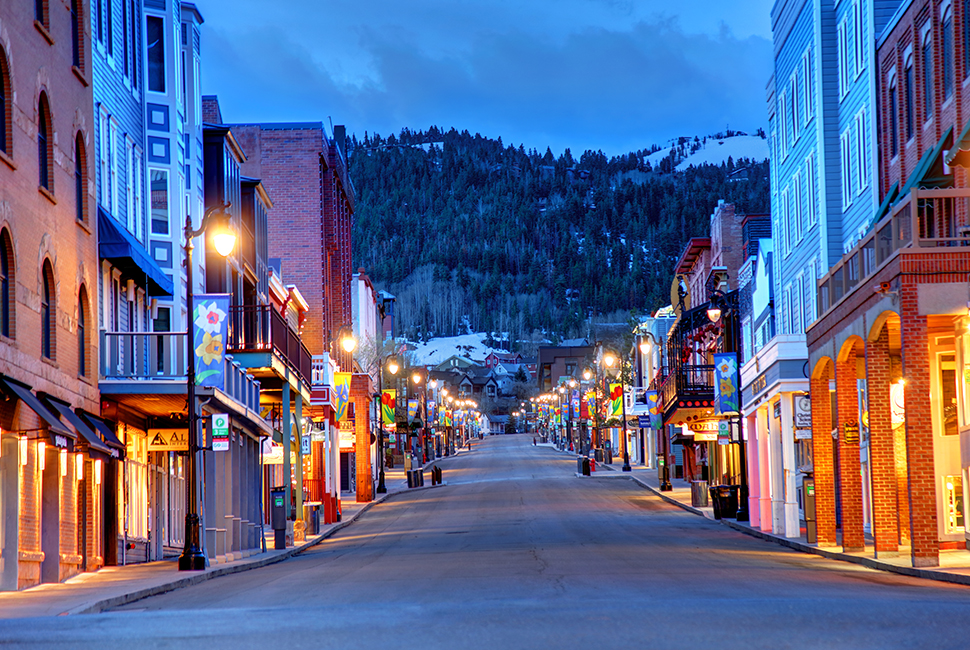
Winter brings a more energetic pace. Deer Valley’s meticulously groomed runs attract skiers who prioritize quality and service, while Park City Mountain Resort adds scale and variety. The culture extends beyond the slopes, and the St. Regis’ après-ski scene is a destination in itself, centered around its terrace and seasonal après tent, where guests gather for cocktails, mountain panoramas and a lively atmosphere. The hotel’s daily champagne sabering ritual adds a sense of ceremony and is a can’t-miss event.
Year-round, Historic Main Street anchors the town. Acclaimed restaurants such as Riverhorse on Main are a major draw. So, too, are places like Kemo Sabe, which acts as both a shop and a social hub where custom Western hats and boots are crafted with precision. A discreet speakeasy tucked inside adds an unexpected layer to the visit and is the perfect place to don your new cowboy gear.
Zion National Park: Scale, Light and Landscape
Zion National Park stands apart, even within Utah’s extraordinary landscape. Towering sandstone cliffs rise sharply from the canyon floor, while narrow passageways and river-carved terrain create a setting that feels both expansive and immersive. The scale is dramatic, yet the attraction remains surprisingly accessible. A complimentary shuttle system connects key viewpoints, allowing you to move through the park with ease.
What distinguishes Zion is not just its landmarks, but how you experience them. The landscape unfolds gradually — wide valley views give way to shaded canyon paths and river-level walks, each bringing a different perspective on the same towering formations. Start early, when the light is softer and the park feels quieter, before the pace of the day builds and trails turn into traffic jams. For a quick, well-executed start, Perks Café is a reliable stop for strong coffee and a simple breakfast before entering the park.
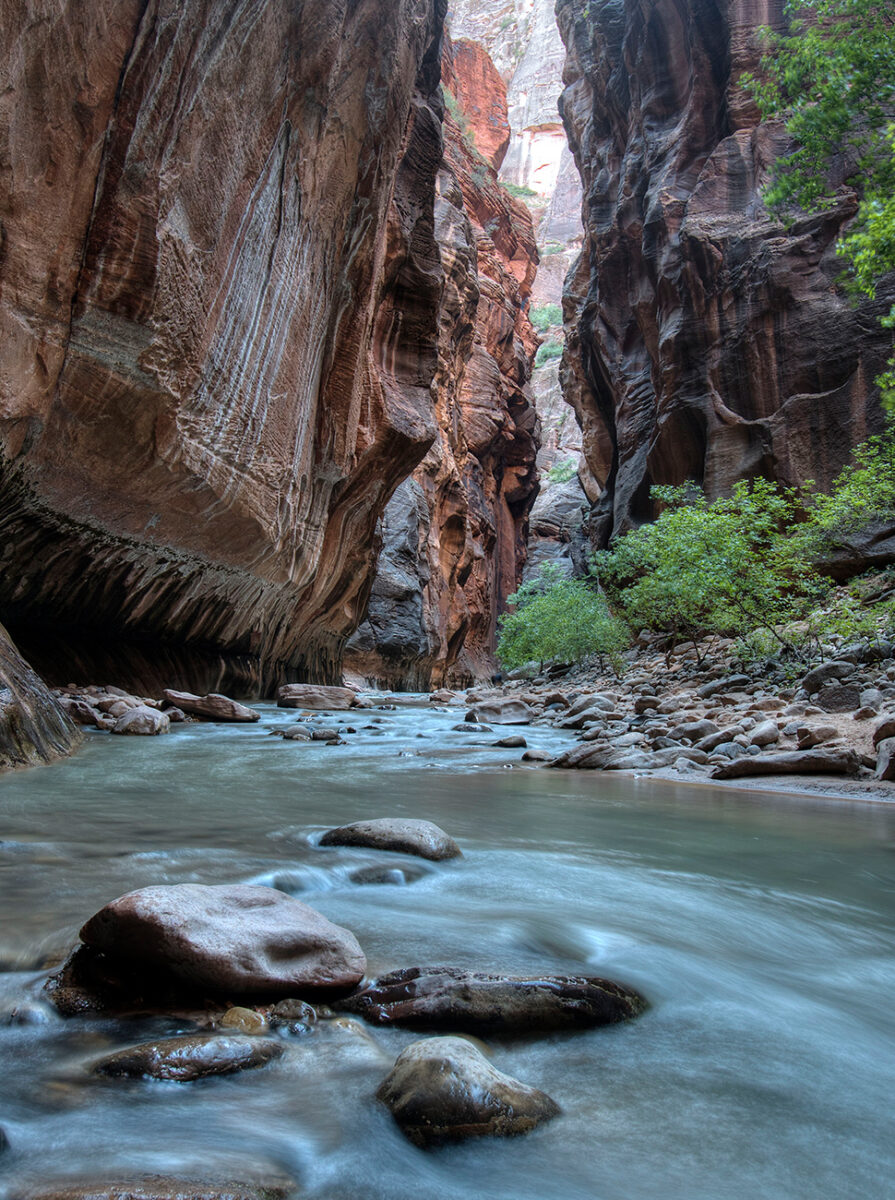
For a stay that prioritizes both access and comfort, Cliffrose Springdale, Curio Collection by Hilton, is one of the best-positioned options. Set along the Virgin River and just steps from the park entrance, it creates a seamless transition between the intensity of the landscape and a more relaxed pace.
Dining in Great Zion is unfussy but consistently strong. Cliffside Restaurant pairs panoramic vistas with polished American fare, while Balcony One remains a longstanding local favorite with a welcoming, easygoing atmosphere (perhaps why it’s rumored to be a favorite of Kevin Costner). Spotted Dog at Flanigan’s Resort delivers a more elevated menu, with well-executed seafood and pastas in a refined but approachable setting. For something more casual, River Rock Roasting Company pours strong coffee that you can enjoy on a terrace overlooking the Virgin River. Lastly, don’t miss Bumbleberry Bakery, a local institution known for its pies and pastries.
Just a little under an hour’s drive from the park, Snow Canyon State Park is a striking counterpoint. The terrain shifts to rolling dunes, black lava flows and red sandstone cliffs — equally dramatic, but with far fewer crowds. It feels stiller and more expansive, making it a natural extension of the Zion park rather than a separate stop.
Nearby, St. George adds another layer, serving as a gateway to the region’s more rugged terrain. Guided experiences allow a more active way to engage with the landscape. Rock climbing with Paragon Adventures provides direct access to the area’s vertical terrain, while horseback rides with Western Trail Rides deliver a slower, more scenic perspective — especially at sunset.
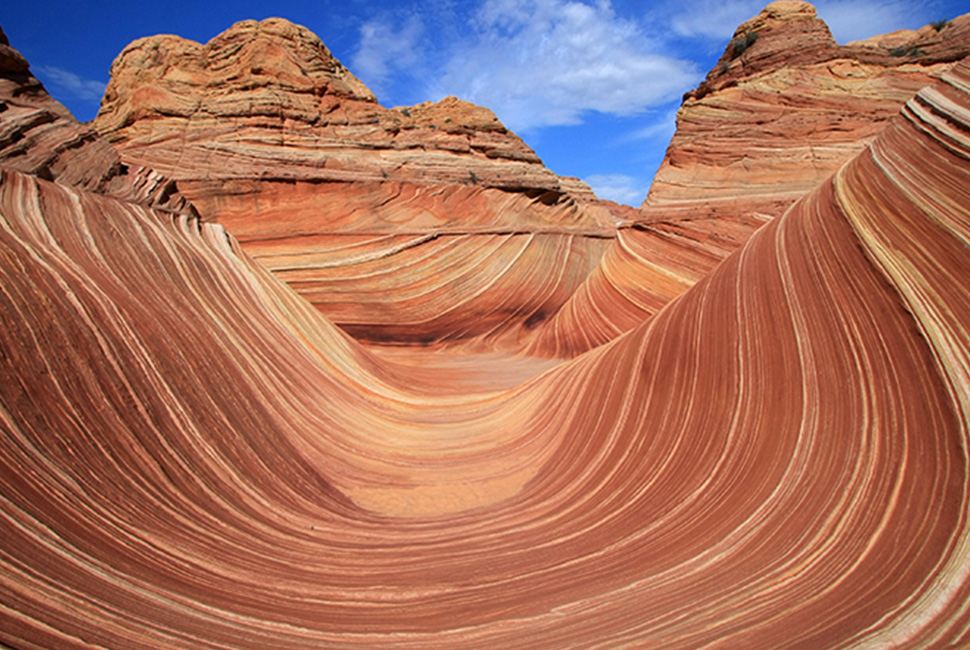
Canyon Point: Desert Stillness
The landscape shifts dramatically as the terrain opens into Canyon Point, which sits in Southern Utah, almost to the Arizona border. Vast desert expanses, sculpted rock formations and uninterrupted horizons define the visit.
Four-Star Amangiri is not simply a place to stay; it is the destination. The architecture is intentionally restrained, blending into the surrounding landscape so seamlessly that the transition between built environment and nature feels almost imperceptible. The design allows the desert to remain the focal point.
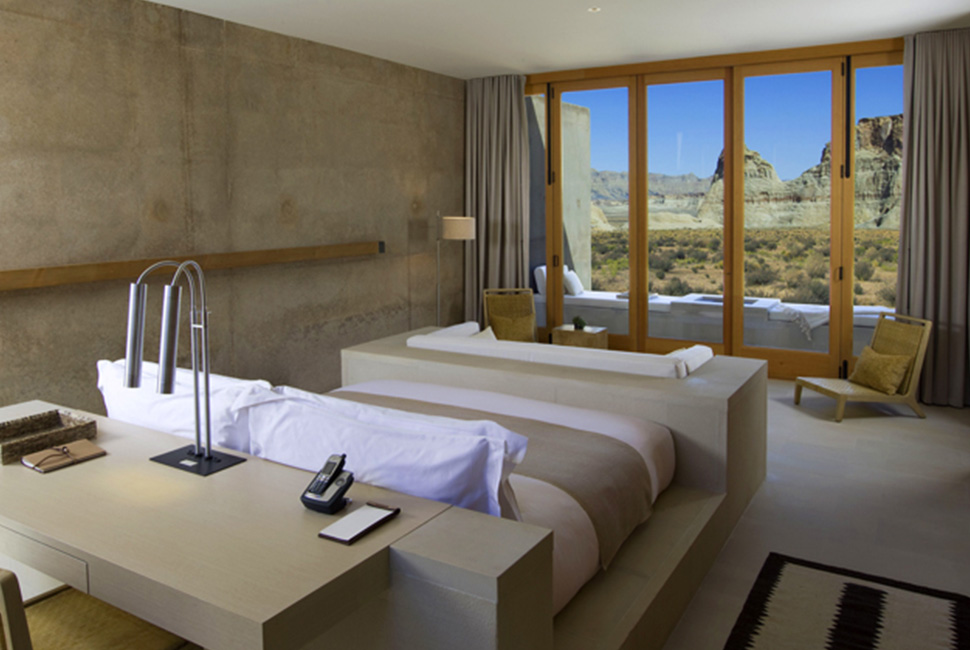
Days here are immersive but unhurried. Guided hikes, via ferrata climbs and desert explorations, give access to the region’s more remote terrain, while the property itself encourages a slower pace. The expansive pool curves around a natural rock formation, and the spa reflects the same quiet, grounded design.
You’ll want to plan your day around the light here — early mornings and late afternoons bring out the most depth and color in the canyon walls, making the landscape feel most striking.
