Judy Joo is one of the foremost experts in Korean cuisine. The first female Iron Chef UK hosts television shows (like the Cooking Channel’s Korean Food Made Simple) and helms Seoul Bird restaurants in London. An avid traveler, Joo also enjoys sharing her adventures.
I’ve always believed that life without a few bucket-list adventures is like a meal without dessert — utterly incomplete and probably a bit bland. Peru was on my list. So, when I won a trip to the country at a charity auction courtesy of the esteemed Relais & Châteaux group (known for its impeccable properties and gastronomic prowess), I grabbed my passport, my boyfriend and put an “Out of office, in the Amazon” auto-reply on my email.
We’d never set foot in Peru before, so I asked cazenove+loyd, experts in luxury travel, to put together the ultimate itinerary. The Andes had been calling me like a persistent telemarketer, with the Inca Trail whispering promises of ancient wonders, spectacular scenery and zero cell service. We dove straight in, starting our journey in Lima, the City of Kings, where the traffic alone could qualify as an extreme sport.
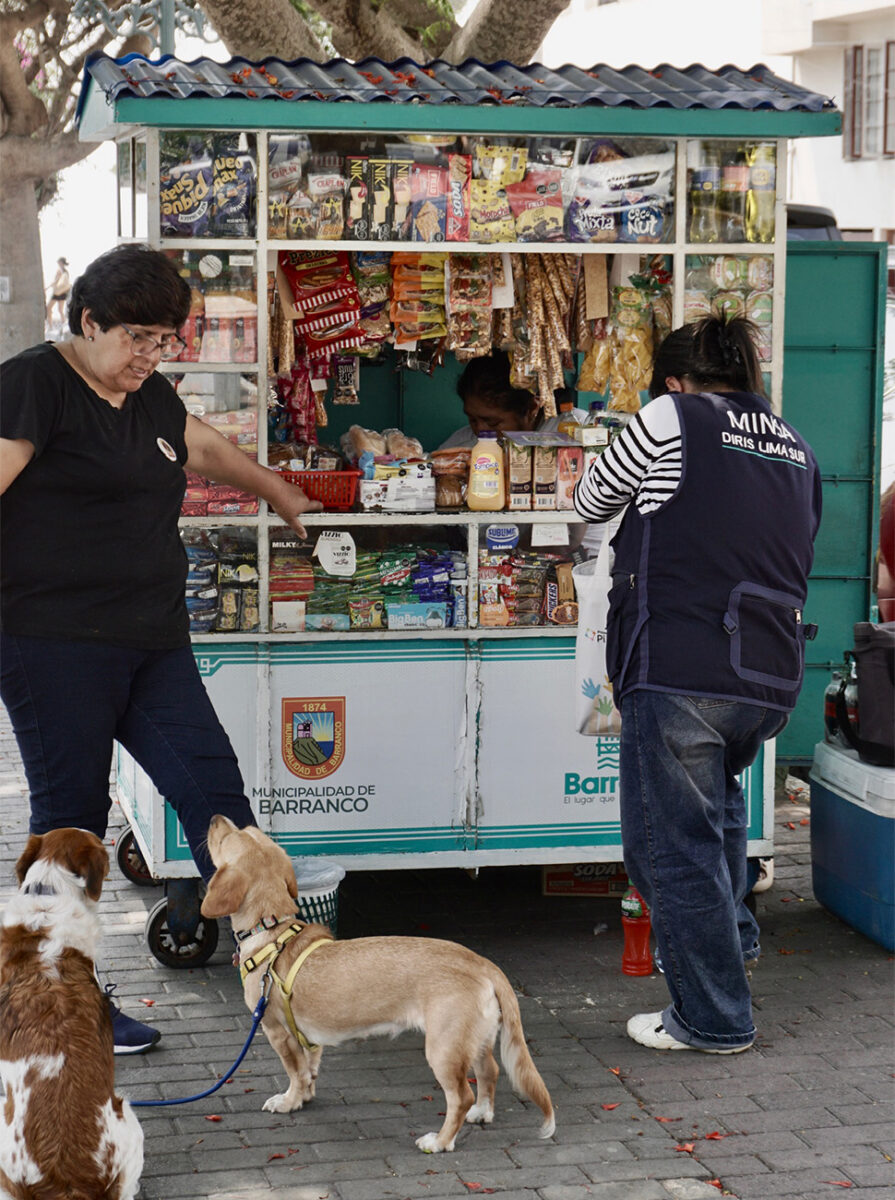
Touching down in the capital, we checked into the boutique Hotel B in the historic Barranco district, a bohemian haven that’s equal parts artsy and effortlessly cool. This place isn’t just a hotel; it’s like stumbling into a living art gallery, with every corner curated like a museum exhibit. Original works by Peruvian artists adorn the walls, from vibrant murals to quirky sculptures.
But the real Zen moment came at breakfast in the sky-lit courtyard, where sunlight filters through like a divine spotlight, gently coaxing you awake. Sipping strong local coffee and savoring a traditional pan con chicharrón (a crispy fried pork sandwich layered with sweet potato and zesty salsa criolla) amid the gentle hum of city life, I felt my jet lag melt away like morning mist.
Our days blurred into a whirlwind of vibrant markets, where I inhaled the intoxicating scent of fresh cacao pods and exotic fruits. We wandered graffiti-adorned streets that could rival Berlin’s urban art scene, devouring flaky empanadas that were criminally addictive. Dinner at Kjolle, a gem helmed by chef Pía León, was a revelation. Its tasting menu highlighted quinoa, corn, potatoes and chocolate, all sourced from Peru’s bountiful soils.
We even squeezed in a cooking class, mastering the art of a proper Chilcano cocktail with pisco (because nothing says “vacation” like day drinking responsibly) and lomo saltado, a Chifa (Chinese-Peruvian) stir-fry of beef, onions and tomatoes in a tangy garlicky soy sauce that dances on your taste buds like a fusion fiesta.
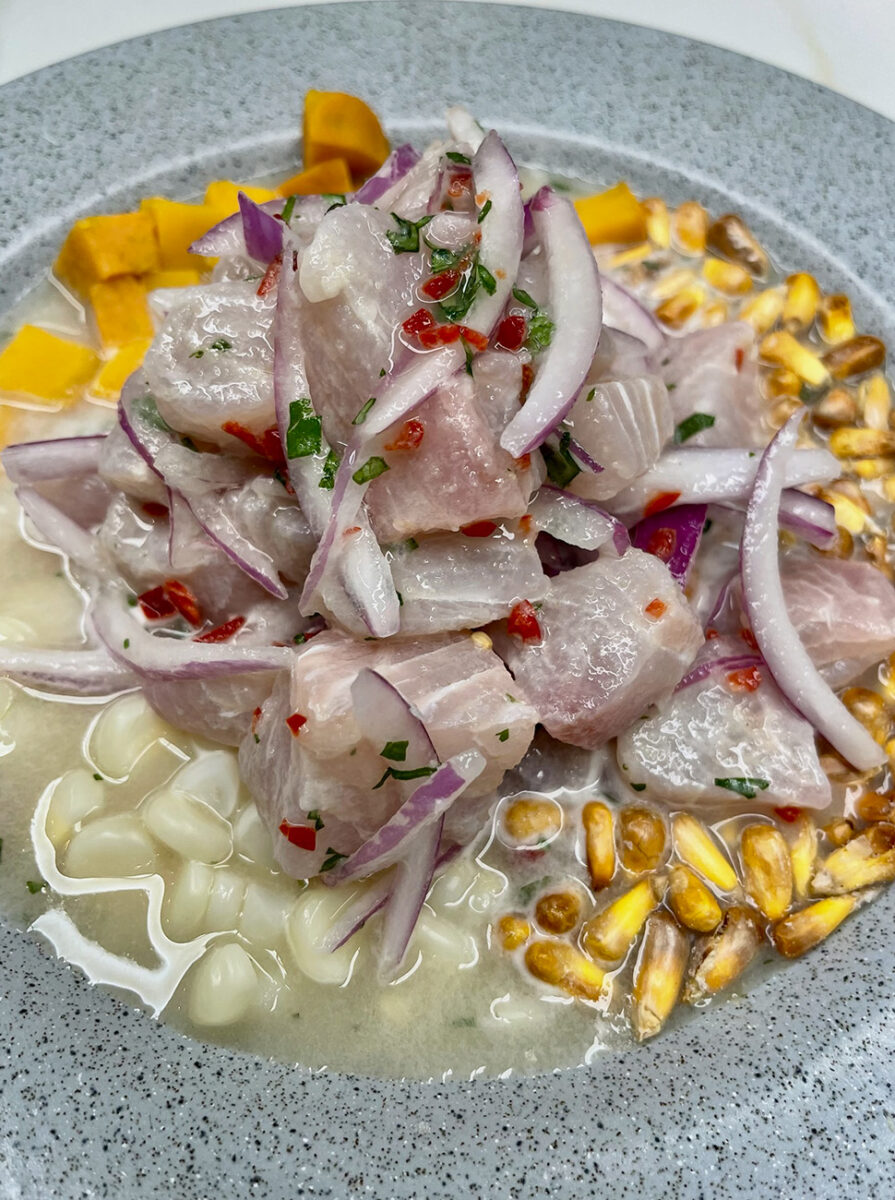
We rounded out our Lima stint with fresh ceviche — raw fish cured in lime, onions, aji chilis and cilantro served alongside toasted corn nuts, giant boiled corn kernels and sweet potatoes that add a sweet counterpoint to the zing — all while strolling the posh Miraflores district, soaking in ocean views and salty breezes that make you feel like you’re in a postcard.
Next, we flew to Iquitos to embark on an Amazon cruise aboard the Delfin III, a vessel that redefines river luxury. This 184-foot beauty boasts 22 spacious rooms. We splurged on the Owner’s Suite at the bow, granting us unparalleled 180-degree views — pure bliss as we glided down the world’s mightiest river, feeling like Indiana Jones with a cocktail menu.
The boat blends subtle elegance with immersion in nature. Its design was crafted by local artisans in Iquitos, complete with an open-air lounge, a spa and an observation deck perfect for spotting wildlife. Our room was cinematic gold. Those wraparound windows turned every glance into a blockbuster scene, with the jungle scrolling by like credits on a never-ending film. I often found myself just staring out, getting lost in the emerald tapestry of vines, birds darting like extras and the occasional pink dolphin coming up for air, like it knew it had an audience. It was hypnotic.
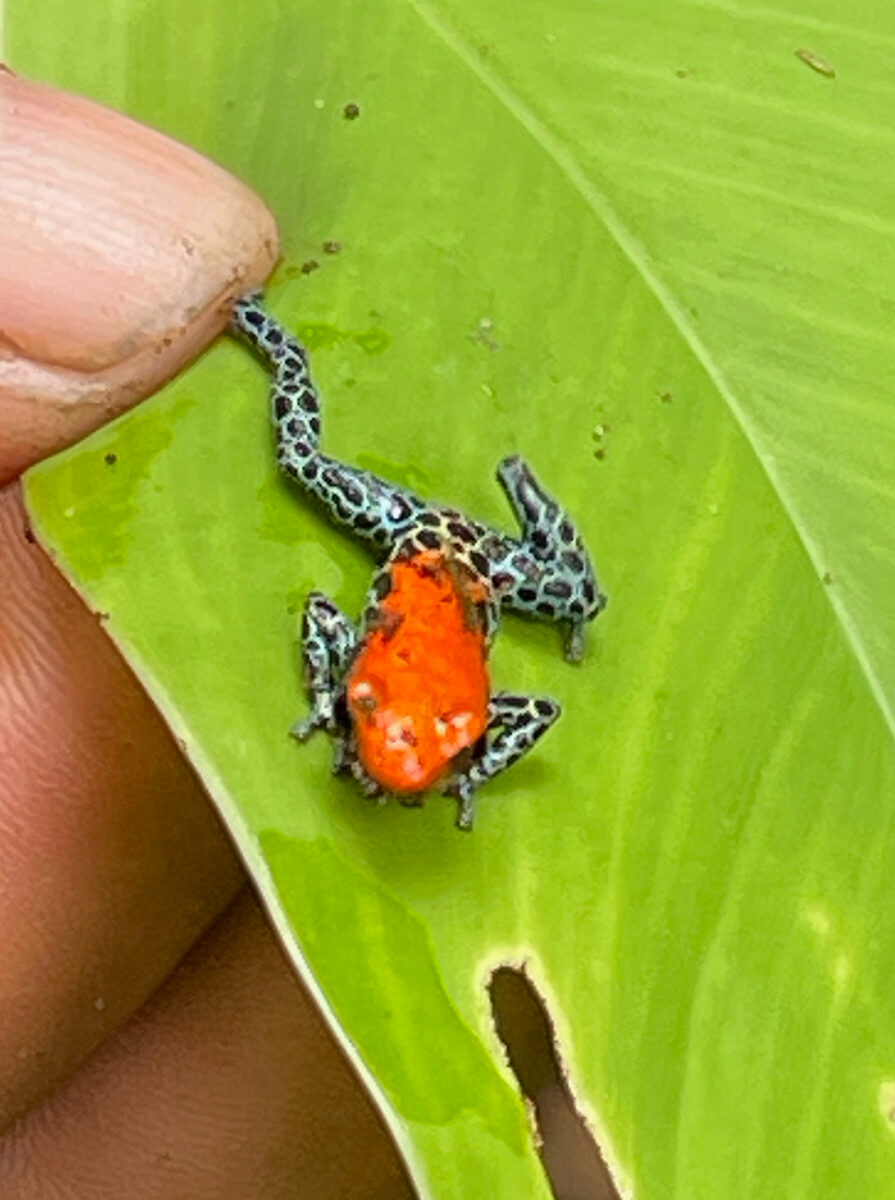
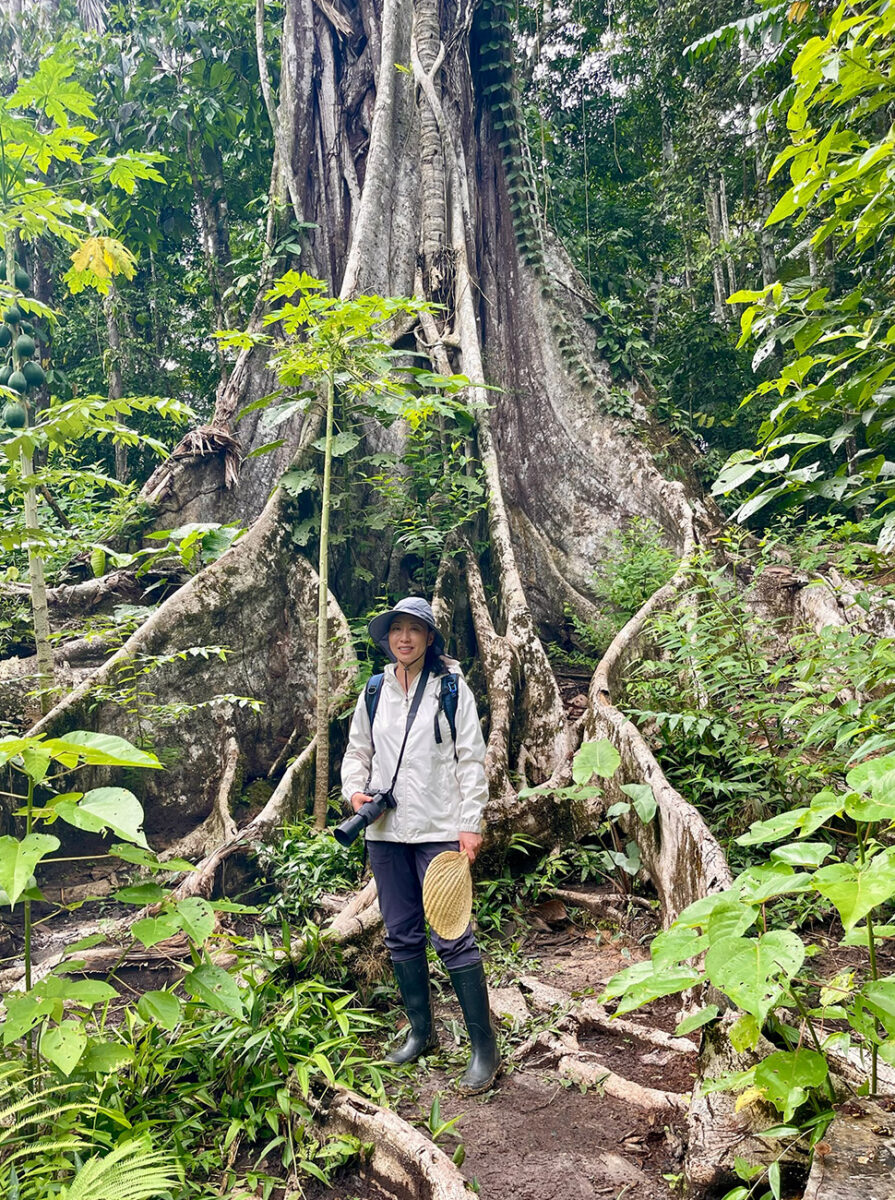
Daily excursions, led by local expert naturalist guides, took us by skiff or on foot through the Pacaya-Samiria National Reserve, a biodiversity hot spot that’s basically Mother Nature’s VIP lounge. We spotted mischievous monkeys swinging like tiny acrobats, languid sloths hanging out (literally), boa constrictors coiled like ropes, vibrant poison dart frogs that look cute but pack a punch, enormous paiche fish, flocks of toucans (my absolute favorites), both gray and pink dolphins peeking up sporadically, massive tarantulas and countless birds turning the sky into a feathered rainbow.
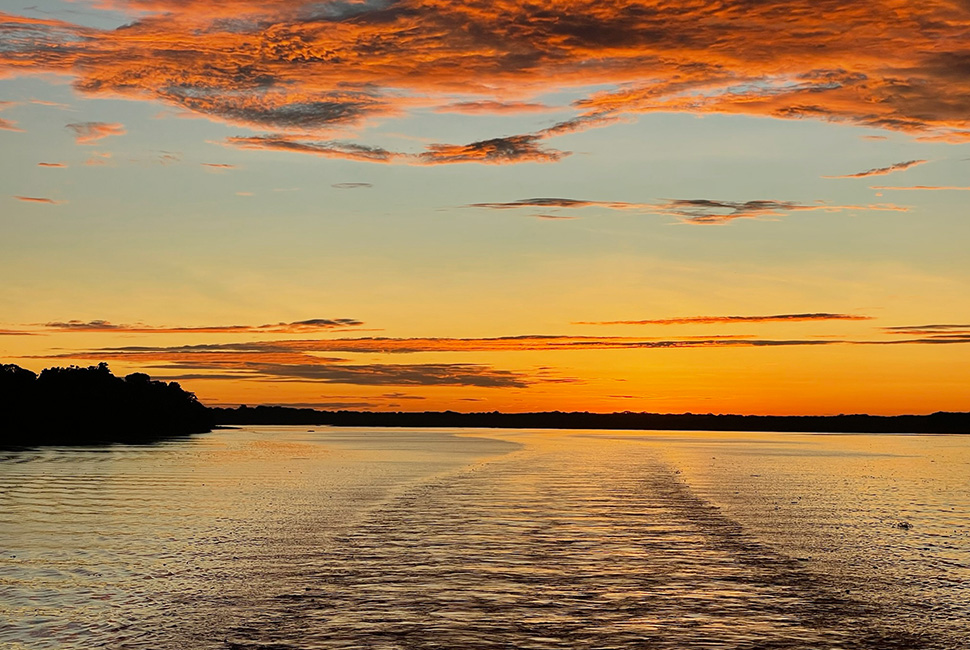
Visits to riverside communities revealed indigenous traditions and their harmonious bond with the Amazon (think: a deep commitment to sustainable living) while a shaman shared insights into ayahuasca and herbal remedies — though I politely declined the full experience. Even my bucket list has limits.
From the humid lowlands, where sweat becomes your second skin, we ascended to the Sacred Valley at around 9,843 feet, checking into the enchanting Sol y Luna. This gorgeous property, founded by a French couple with excellent taste, sprawls across 25 acres near Urubamba, blending contemporary luxury and Peruvian artistry (clay walls, native stone, handcrafted beams and textiles that whisper stories of Andean weavers).
Each room is its own casita, like a private villa retreat, complete with wood-burning fireplaces that crackle cozily against the evening chill, making you feel like a pampered pioneer. Ours overlooked lush gardens buzzing with hummingbirds and butterflies, turning the grounds into a living kaleidoscope.
Food here is paramount. Meals featured local delicacies like roasted cuy (guinea pig, a traditional treat that’s crispier than expected and less furry than imagined), lamb ragù that hugs your soul and my new obsession, Andean quinoa soup, that’s hearty enough to fuel a hike but light enough not to weigh you down. Ample breakfasts — fresh juices, artisanal breads and eggs from the onsite farm — powered our adventures, starting with a visit to the Sol y Luna Foundation (the charity behind my auction win), where we met wide-eyed children and learned about their impactful education programs that are changing lives one lesson at a time.
We hiked the Pisac archaeological site, a vast Inca complex at 10,827 feet with terraced fields, residential settlements, ceremonial baths and the largest known Inca cemetery. The engineering of these agricultural terraces, forming an inverted triangle like a partridge’s wing, left us in awe and slightly out of breath. An adrenaline-pumping e-bike ride through the valley followed, zipping past rivers and backroads on battery-assisted bikes that made the hills conquerable. Dodging a few feisty local dogs added to the excitement.
In Ollantaytambo, we savored a traditional pachamanca lunch at Las Qolqas, an organic farm and glamping spot nestled by a rushing river that’s as charming as it is eco-conscious. This ancient cooking method involves digging a pit, layering preheated volcanic rocks with herbs, vegetables and meats (lamb, chicken, beef, pork, yams, potatoes, corn, fava beans), then sealing it with wet cloths and dirt for 45 minutes. We participated in the ritual, and I even placed a flower-adorned palm cross on the mound. It felt eerily like a funeral rite for our future meal, complete with a “burial” and “resurrection.” Digging it up was like unearthing treasure. And the flavors? Divine, smoky, earthy and worth every sweaty shovel.
We toured the Maras salt pans, a mesmerizing landscape of more than 5,000 terraced ponds at 11,089 feet, where saltwater from an underground spring evaporates to yield pink-hued salt, harvested by local families since pre-Inca times. It’s like nature’s own artisanal salt factory.
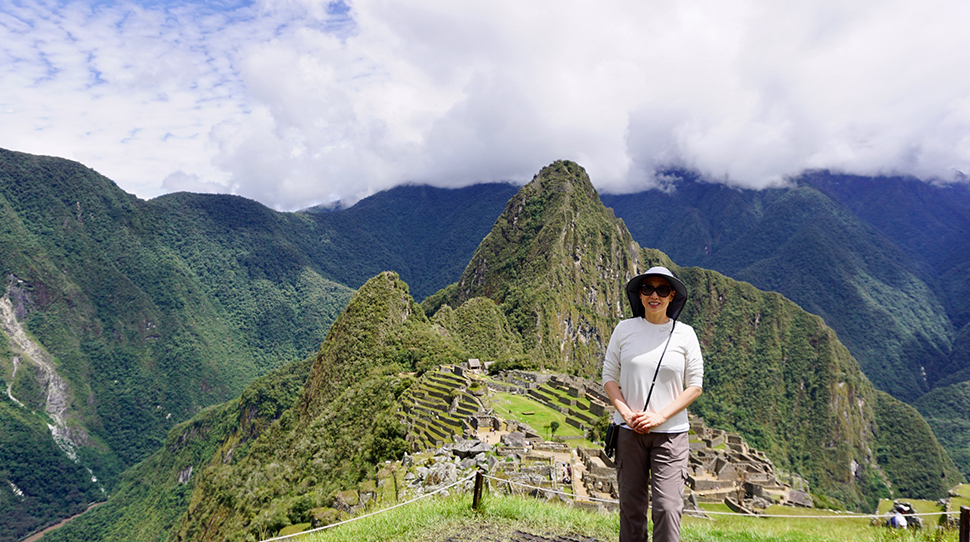
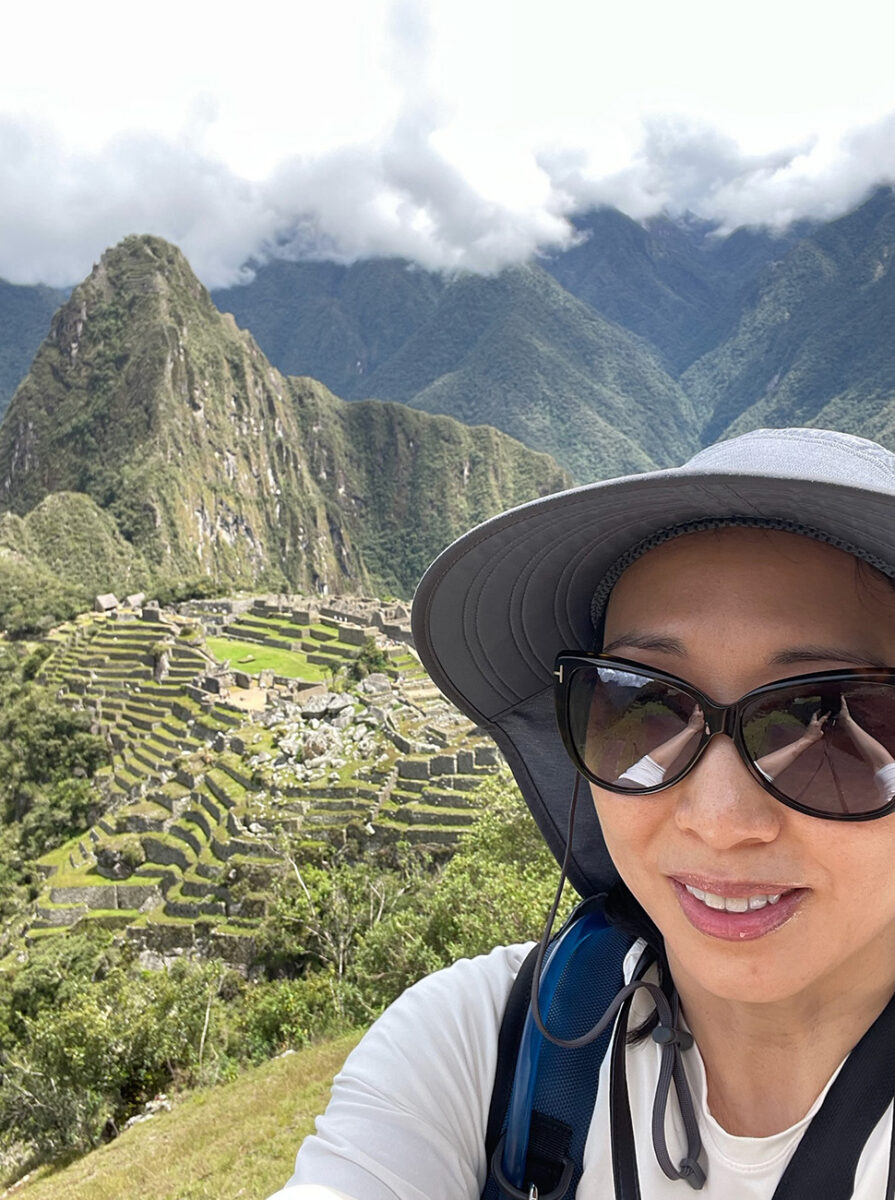
More ruins followed, but the pinnacle was Machu Picchu. Reaching this wonder at 7,972 feet involves a scenic two-hour train from Ollantaytambo, followed by a 30-minute bus ride up harrowing switchbacks that test your faith in brakes. The climb rewards with breathtaking views of the citadel, a masterpiece of Inca ingenuity that’s as photogenic as it is mysterious. Theories abound about its purpose — Royal estate? Religious site? Perhaps an ancient Airbnb? — but with no written Inca records, much remains conjecture.
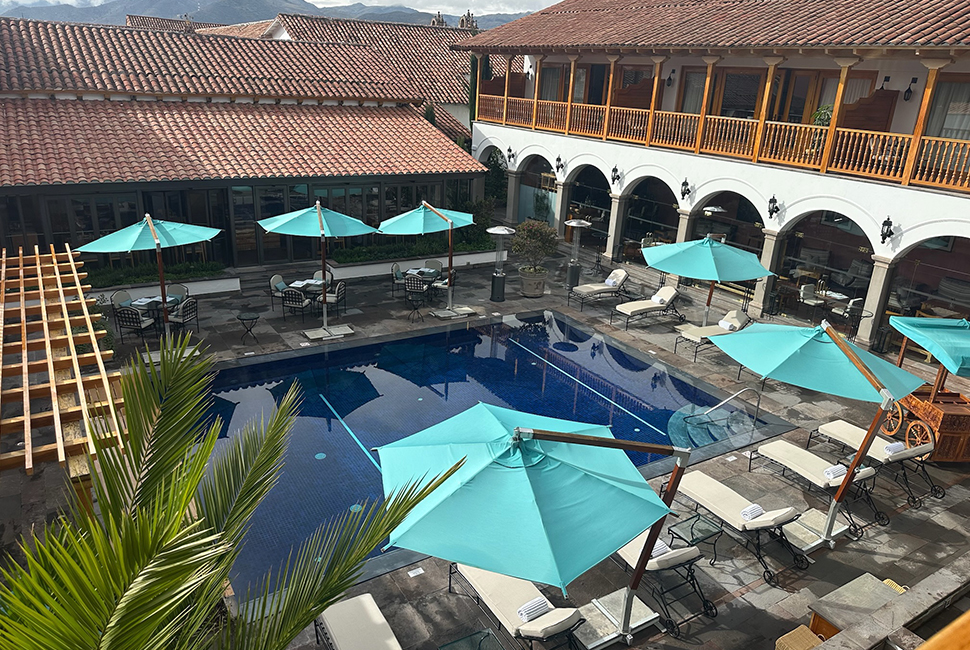
Dizzy from the heights (and maybe a touch of altitude), we ascended further to Cusco at 11,152 feet, retreating to the magical Palacio Nazarenas, a Belmond Hotel, Cusco. This converted 17th-century convent oozes charm with stone arcades, hidden courtyards and oxygen-enriched rooms to combat the thin air. Our plush bed with fluffy pillows ensured restful, headache-free nights.
True luxury shines in the details. Hand-embroidered eyeglass cloths were left bedside (because nothing says “Forbes Travel Guide Four Star” like spotless specs). Hot water bottles were tucked into your bed at turndown. Even a magical herbal brew said to remedy altitude sickness — like a jazzed-up chamomile with a side of ancient wisdom — was delivered in the evenings. It worked wonders…or maybe it was a placebo; either way, no headaches here.
The Plaza de Armas, the city’s main square built by the Spanish, transported you to Europe with its colonial architecture and a fountain that provided great people-watching. Flanking it was the Cathedral Basilica, a Baroque masterpiece housing treasures like Marcos Zapata’s 1753 painting of the Last Supper, where Jesus and his disciples feast on cuy instead of bread and wine. It’s a cheeky nod to Andean cuisine that made me chuckle mid-prayer.
We dined at the hotel’s Mauka restaurant, where hyper-local Andean ingredients shined in innovative dishes inspired by mountains, rainforests and valleys. It was elevated comfort food that paired well with a pisco sour.
We then hiked to Sacsayhuamán, a massive Inca citadel at 12,142 feet above sea level, with zigzag walls of enormous stones (some more than 27 feet tall and weighing tons) built under Incan emperor Pachacuti in the 15th century — likely a fortress overlooking the city, though I like to imagine it as the Incas’ version of a bouncy castle for giants.
From there, we trekked along the Inca Trail to Inkilltambo, a lesser-known sanctuary from Inca Wiracocha’s era (circa 1410 to 1438), carved into a massive granite rock with pre-Inca elements, aqueducts and ceremonial spaces that felt like stepping into a history book. Our guide illuminated the Incas’ turbulent history with the Spanish conquest, shaping modern Peruvians’ multicultural demographics and spirit — complete with tales of gold, glory and defeat. We marveled at ancient colonial kilns and burial chambers, stretching our legs amid the ruins and hiking trails that gripped the cliffsides.
Peru weaves luxury, history and raw adventure into an unforgettable tapestry that’s as vibrant as its markets and as profound as its peaks. From the Amazon’s wild embrace, where pink dolphins stole the show, to the Andes’ timeless wonders that humbled even the most jaded traveler, it’s a reminder that true travel nourishes the soul — guinea pig optional.
