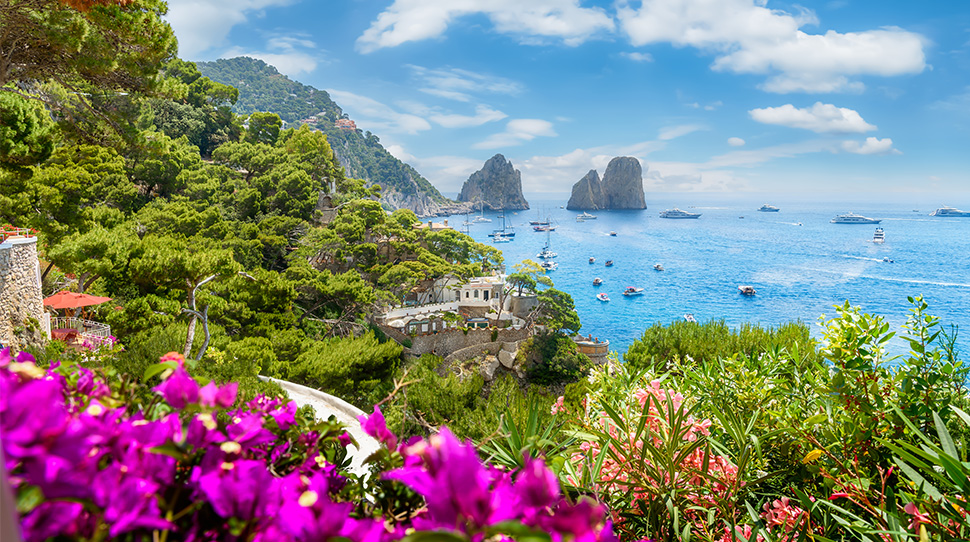
Everyone has a comment about Capri: It’s too pretty, too crowded, too expensive. It’s all of that and a great deal more. This, after all, is where Augustus, the first Roman emperor, coined the nickname Apragopolis (“City of Do-Nothings”) for the island and the idling friends in his company. For the past 70 years, Capri has held onto that effortless vibe, solidifying itself as the dolce vita destination.
Capri, the second-largest island in the Neapolitan archipelago (behind Ischia), is roughly four square miles of rock rising out of the Bay of Naples. It is famous for its flashy piazza life and the Blue Grotto, and both are well worth experiencing at least once. But with 2,000 years of history, Capri has much more to offer.
It is also a lush, hilly island, and the stretch between its two towns, Capri and Anacapri, hides some of the Mediterranean’s loveliest walking. Greeks and Romans, monks and pirates, Grand Tour painters and early wellness seekers have all roamed these paths — most of them accessible only by foot. It’s a secret the Capresi have always known: beneath all the glamour, this is a walking island, which makes it the original wellness destination.
What to Do
Start with the 45-minute climb from Capri town to Villa Jovis, the cliff-top palace where the emperor Tiberius ran Rome for a decade. It was one of a dozen imperial villas across the island. From there, the walking only opens up. The Pizzolungo path loops past the Natural Arch (Arco Naturale) and the iconic Faraglioni rock formations, and the wild Sentiero dei Fortini hike follows the western shore.
Back in town, the seasonally open Via Krupp winds in a ribbon of hairpin turns cut into the cliff, taking you from the Gardens of Augustus down to a swim at Marina Piccola. Head to Anacapri to ride the chairlift up Monte Solaro for the highest view on the island. Go early and wear sneakers.
For a little sun and fun, do as the Capresi do and get to the water. Charter a gozzo (one of those classic wooden boats) for an afternoon circuit of the whole coastline, nosing into coves, caves and grottoes that day-trippers never reach and glimpsing the Faraglioni up close.
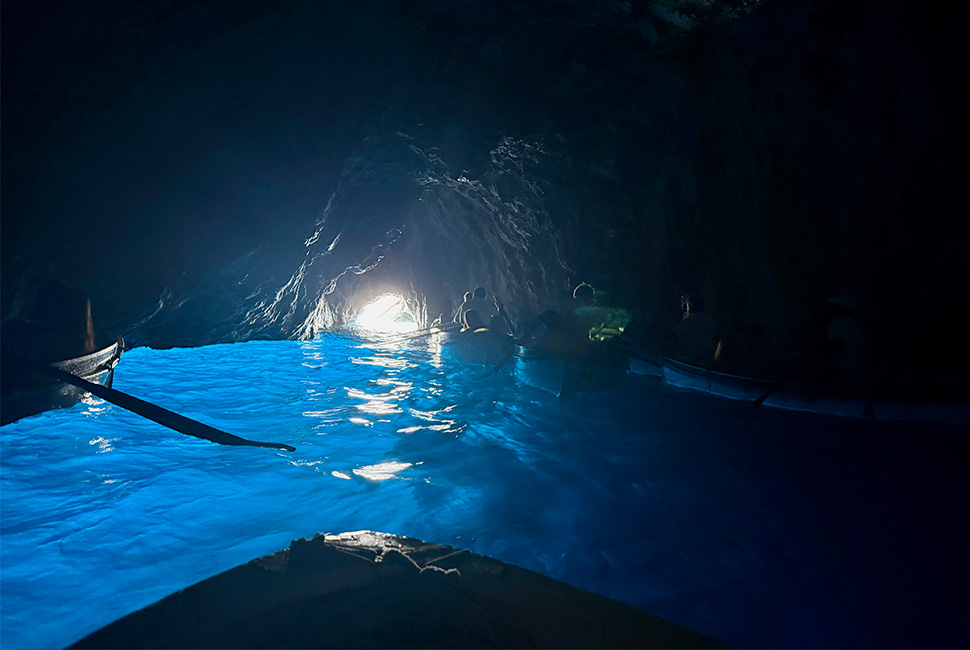
Which brings us back to the Blue Grotto. This year is the 200th anniversary of its discovery, which is all the more reason to go. In 1826, the German painter August Kopisch and his friend were guided by a local fisherman into a cave the islanders had long avoided. Kopisch came out raving about the light, thus “discovering” the Blue Grotto. For a small fee, you’ll wait in a cliffside queue before stepping into a rowboat for a five-minute trip to see the colorful cavern. Or hop a charter from Marina Grande and do your waiting on the water.
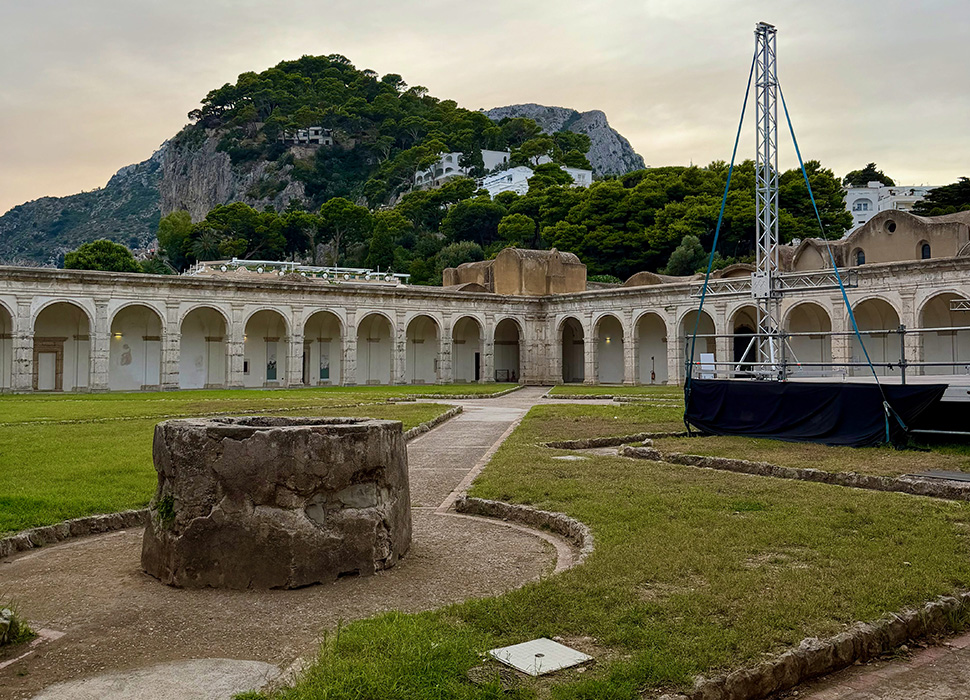
For the deeper story on the grotto’s history and its 1826 rediscovery, head to the museums in Capri town and Anacapri. In Capri town, walk over to the Certosa di San Giacomo, a medieval charterhouse on the cliffs and home to the Archaeological Museum of Capri. Its collection of more than 120 artifacts includes a portrait gallery of Augustus, Tiberius and the rest of the Julio-Claudian clan, along with their stories and scandals. The visit culminates in a light and sound installation devoted to the Blue Grotto that features sculptures recovered from the grotto’s floor in the 1960s and ’70s.
For a more immersive experience, take a taxi over to Casa Rossa in Anacapri. The whimsical art house was built in the late 19th century by an American colonel. Its eclectic, Moorish-flavored design is a treat in itself, but the ground-floor Blue Grotto exhibition is a true gem.
Where to stay
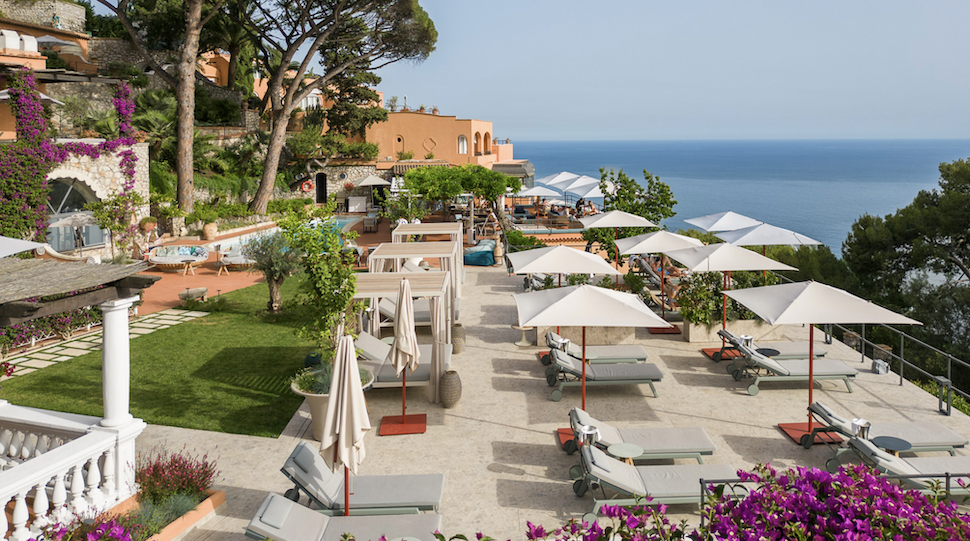
For a room with a remarkable view, book the Forbes Travel Guide Recommended Punta Tragara Hotel, the peach-hued landmark perched above the Faraglioni. Designed by Le Corbusier as a private home for Lombard engineer Emilio Errico Vismara, this four-story modernist hotel is unlike anything else on the island. A 2022 refresh by architect Giorgia Dennerlein leans into 1930s glamour, slipping contemporary pieces in among the antique paintings and original tapestries. Two freshwater pools invite a dip, and the hotel’s Le Monzù restaurant serves one of the best sunsets money can buy on Capri.
For a hidden sanctuary, try Pazziella, a Luxury Collection Hotel. Duck off the posh Via Camerelle shopping run near the Piazzetta, and you land in a hushed garden of lemon trees and bougainvillea. Pazziella feels like a private villa someone forgot to tell the crowds about. With barely two dozen rooms and a quiet pool, it pulls off the rare Capri trick of being in the thick of it and completely apart — all in the same block.
Where to eat
If you’re visiting between May and October, have lunch at Da Luigi ai Faraglioni. Order frittura di mare (a classic fried seafood platter) and a cocktail and enjoy the front-row view of those gorgeous rocks. For dinner, try Lo Sfizio, a casual restaurant cooking pizza in wood-burning ovens and making fresh pasta in the Tiberio neighborhood above Capri town (it’s open April to late October).
