Stroll the colorful streets of San Miguel de Allende, and you’ll soon notice a recurring emblem: a heart with outstretched wings, depicted in everything from murals to blown glass to handcrafted hojalata tinwork. The heart represents the city’s place at the center of Mexico, while the wings evoke freedom, resilience and the independent spirit that has shaped its history. It’s an apt emblem for a destination where centuries-old traditions and creative energy exist side by side.
There is plenty to love about this colonial gem in the central Mexican state of Guanajuato. Wander time-worn cobblestone streets, admire Spanish baroque architecture, browse vibrant artisan markets and contemporary galleries or linger over leisurely rooftop cocktails. In just 48 hours, you’ll discover why San Miguel de Allende continues to captivate artists, chefs and travelers from around the world.
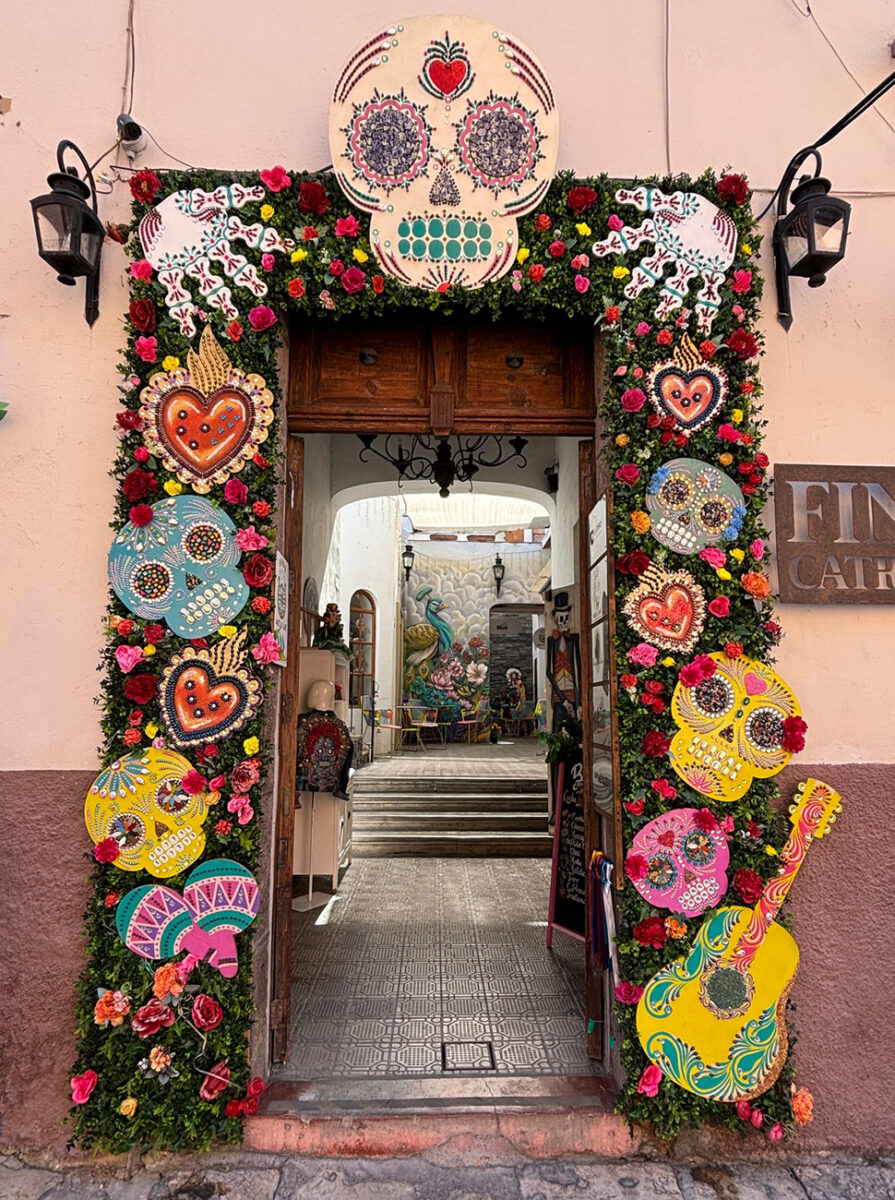
Late October and early November make an especially atmospheric time to visit, when Día de los Muertos lights up an already colorful city. Marigolds and calaveras appear throughout the historic center, while candlelit ofrendas honor loved ones in homes, businesses and public spaces. During the festivities, the Muertos y Catrinas parade winds through downtown in a procession of elaborate costumes and painted faces, adding another layer of color and pageantry to San Miguel.
Day One
Fly into Querétaro Intercontinental Airport, if schedules work in your favor. It can shave up to 30 minutes off the drive and is a breeze to navigate. Otherwise, Guanajuato International Airport offers more nonstop flights from the U.S. Since both airports sit well outside San Miguel, a pre-booked transfer is the best way to get into town.
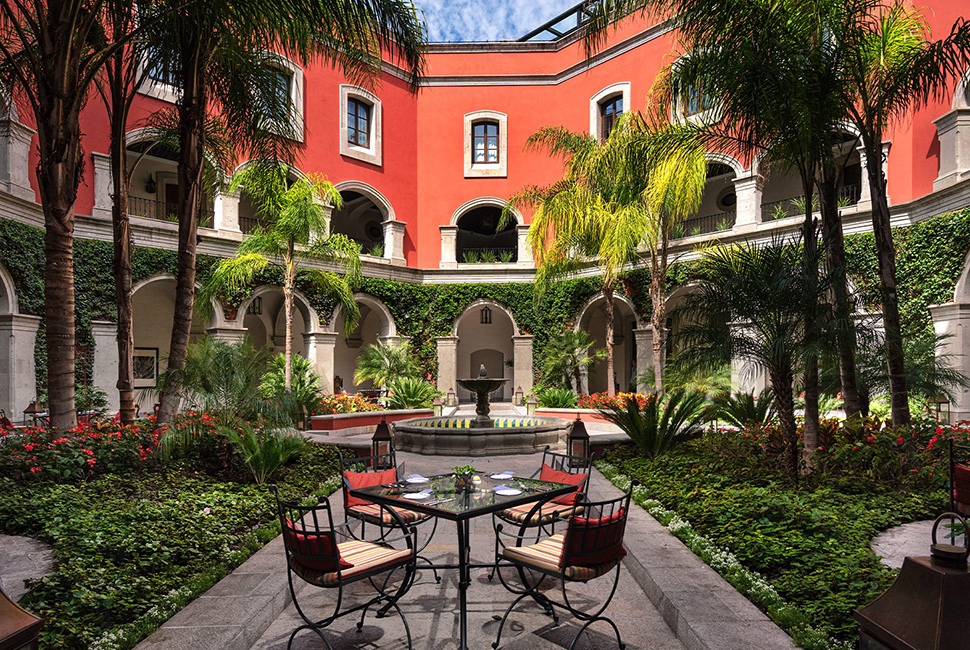
Check into Forbes Travel Guide Five-Star Rosewood San Miguel de Allende, an elegant retreat that feels as though it has occupied its spot just south of the historic center for centuries. Though it opened in 2011, its terracotta-hued buildings, leafy courtyards, fountains and arched colonnades take their cues from the city’s Spanish colonial architecture. Best of all, it sits within easy walking distance of San Miguel’s central sights while providing a peaceful respite from the bustle of Centro.
That sense of place carries into the spacious rooms, where wood-beamed ceilings, carved furnishings and fireplaces channel the character of a grand Mexican hacienda. Many accommodations also come with private terraces overlooking the property’s courtyard gardens or San Miguel’s colorful skyline, a view worth requesting when you book.
Once you’ve dropped your bags at Rosewood, set out on foot for a proper introduction to San Miguel de Allende. Start with lunch at Cantina El Manantial, a beloved neighborhood watering hole and reputedly the city’s oldest. It offers a welcome contrast to an ever-growing collection of polished restaurants and rooftop bars. Order a cold beer or ginger margarita alongside pescado al pastor (fish with traditional spices) tacos and ceviche tostadas, then prepare to tackle San Miguel’s famously uneven cobblestones.
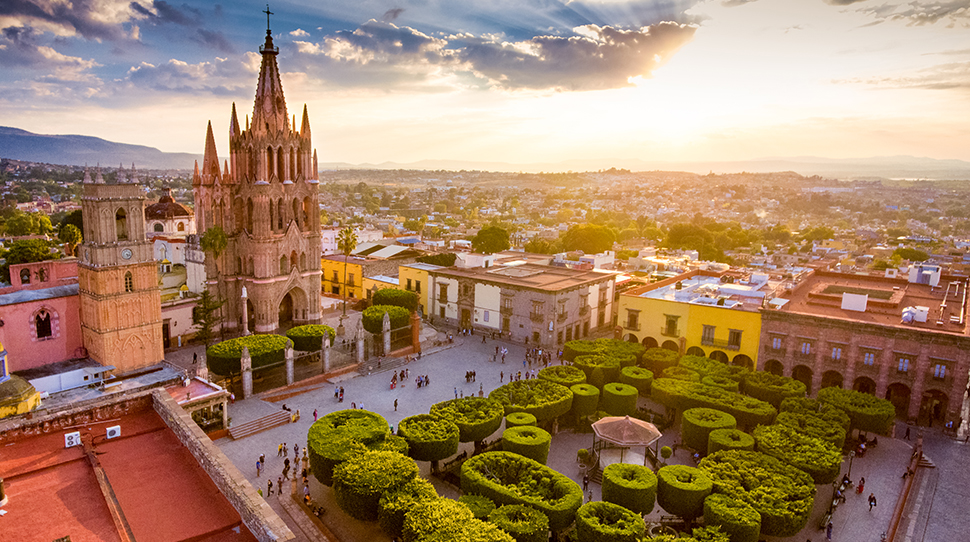
After lunch, climb to El Mirador to get the lay of the land. From this elevated viewpoint, San Miguel spreads out below in shades of ochre and mauve, punctuated by the iconic rosy spires of Parroquia de San Miguel Arcángel. Head downhill, past magenta bougainvilleas, toward the Parroquia itself, a neo-Gothic landmark built of pink cantera (quarried stone) sourced from the slopes of the Palo Huérfano volcano.
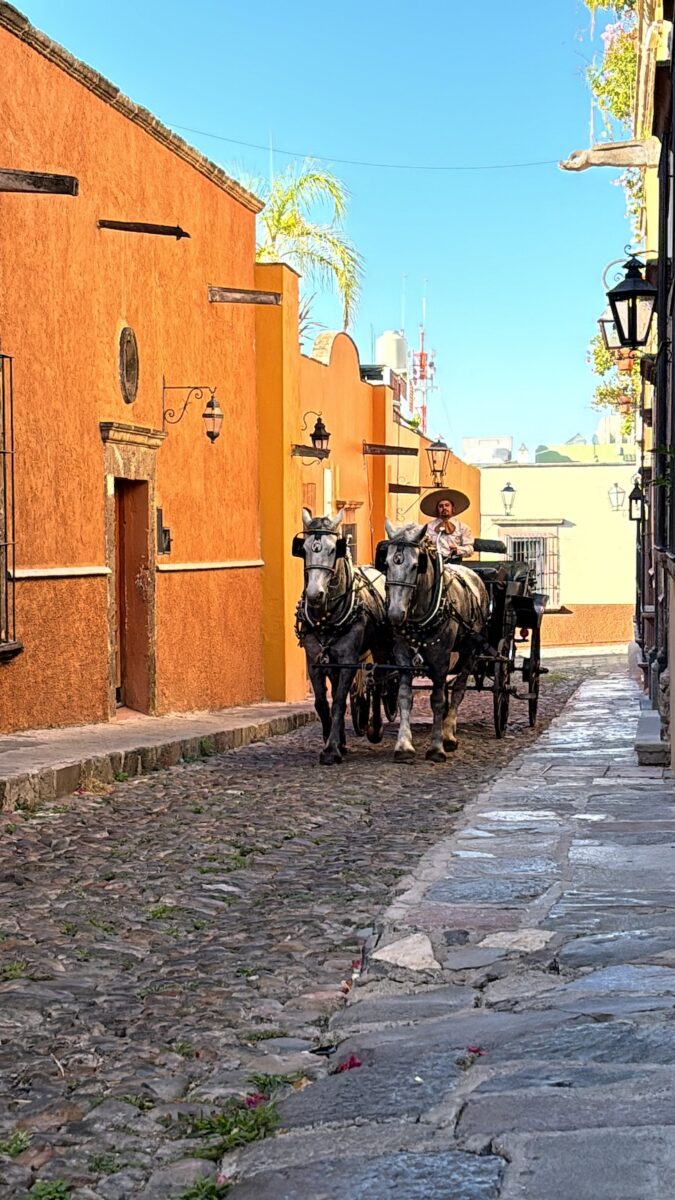
After admiring the church’s blend of ornate baroque detailing and Mexican folk art, stroll out to the Jardín Allende. In San Miguel’s leafy central square, you’ll likely encounter wandering mariachi musicians, wedding processions or locals chatting on wrought-iron benches. For a different perspective, climb aboard one of the horse-drawn carriages that gather nearby for a ride through Centro.
Back on foot, wander toward Mercado Ignacio Ramírez, where stalls overflow with produce, flowers, spices and prepared foods. Next door, find the neighboring Mercado de Artesanías, a long, narrow marketplace filled with pottery, textiles, jewelry, embroidered clothing and other handmade treasures.
For a decidedly more contemporary take on San Miguel’s creative side, continue to Fábrica La Aurora. The former textile factory has been transformed into an art and design center housing galleries, studios, antiques and home décor. It’s also one of the city’s best places to shop for original art, with the added pleasure of often meeting the artists in their working studios.
When it comes to dining, you’ll be spoiled for choice in this town. For a rooftop restaurant with a prime church view, book at the elegant but approachable La Posadita or its lively next-door neighbor, Quince. Or, if you seek a more intimate experience, try Tostévere, which specializes in unique, chef-driven tostadas, or Agavia 115, a vibey contemporary Mexican restaurant known for its housemade pulque, a fermented agave drink, and a menu built around mole.
End your night with a taste of San Miguel’s increasingly world-class cocktail scene. At Bekeb, acclaimed mixologist Fabiola Padilla draws on Mexican ingredients and traditions, incorporating agave spirits, plants, flowers and roots into creative libations on the leafy rooftop terrace.
Four-Star Casa de Sierra Nevada’s bar, Tunki Rooftop, was created in collaboration with Mexico City’s celebrated Handshake Speakeasy. It pours the lauded team’s inventive cocktails on a sophisticated terrace overlooking San Miguel’s historic center, which glows once the lights come on.
Day Two
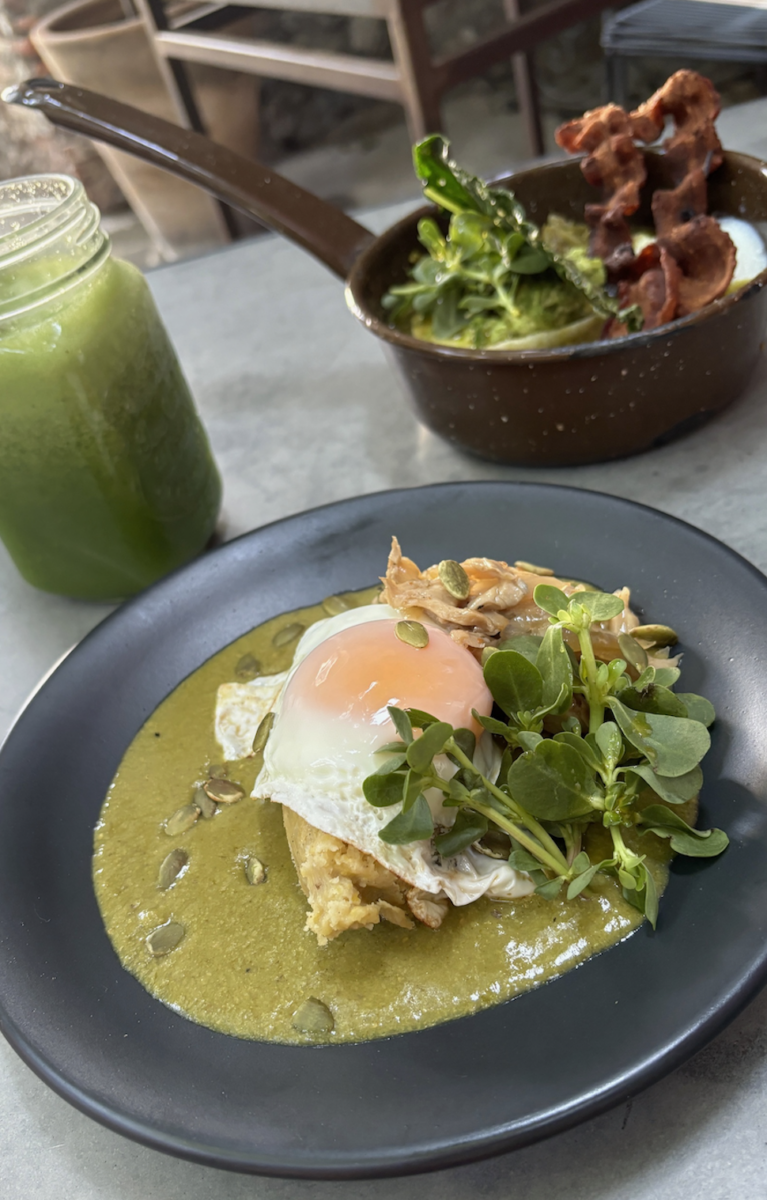
San Miguel takes its breakfast and coffee seriously, so start your second day accordingly. For a leisurely breakfast, settle into Garambullo, a beautiful secret garden café framed by old stone walls and greenery. The inventive Mexican breakfast menu offers dishes such as hoja santa tamalita (leafy tamales) with pipián mole and oyster mushrooms.
Fuel up, because you’ll soon trade Centro’s cobblestones for the countryside surrounding San Miguel with local cycling outfitter Bici Burro. Owner and guide Beto Martínez grew up in San Miguel and leads rides over arroyos and past native cacti. Routes range from relatively easy outings to more demanding adventures, so choose one that suits your pace and discover a quieter side of San Miguel.
Several routes begin in the village of Atotonilco, home to the 18th-century Sanctuary of Jesús Nazareno de Atotonilco. Often called “the Sistine Chapel of Mexico” for its elaborate murals, the sanctuary shares UNESCO World Heritage status with San Miguel’s historic center.
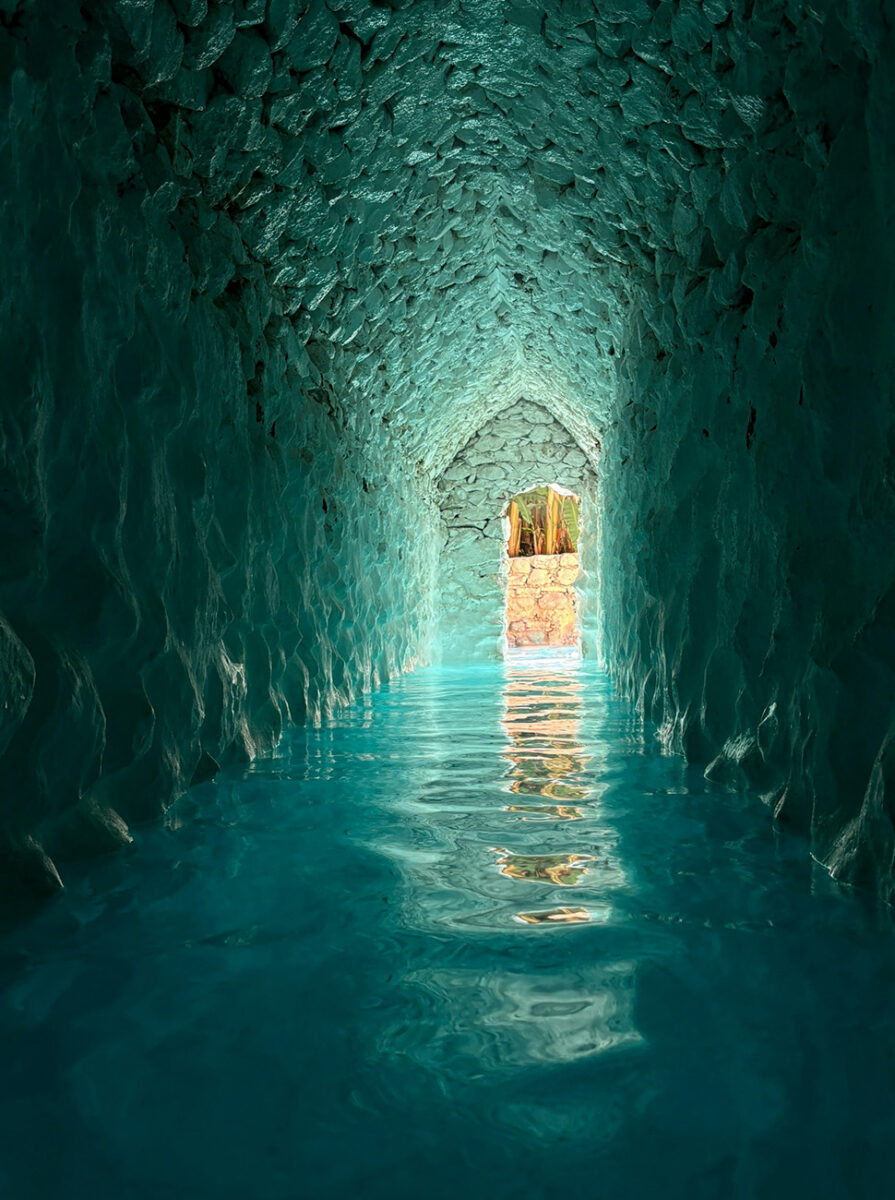
Martínez will base stops around your interests, from 17th-century church remains to the fantastical Gaudí-inspired Ranchito Cascabel, all while pointing out local flora and fauna along the way. Bici Burro also incorporates the area’s hot springs into several of its cycling excursions. If your ride falls between Wednesday and Sunday, give your legs a well-earned break at La Gruta, a thermal-spring retreat where a steamy, turquoise-water tunnel leads to a domed stone grotto.
Back at Rosewood, give those muscles a little more attention at the Four-Star spa. Sense draws on Mexican healing traditions and botanicals. The 90-minute Soul to Moon Ritual is inspired by lunar cycles, combining a lavender- and chamomile-infused white clay, aromatic body oils, a full-body lomi lomi massage and reflexology. It’s a restorative end to a day in the saddle.
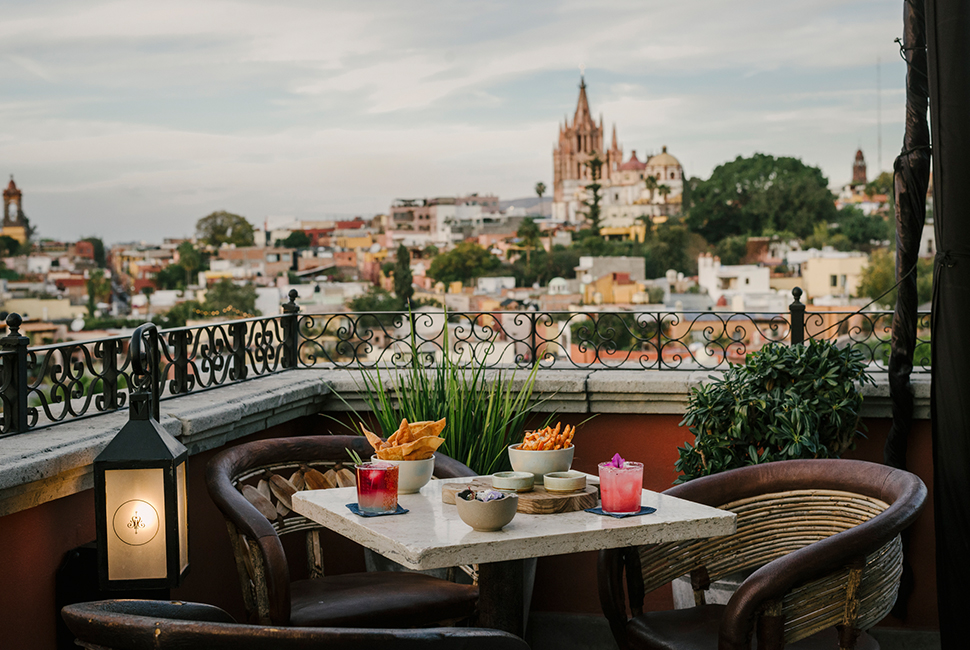
For your final evening, there’s no reason to leave the luxury hotel. Time your arrival at Luna Rooftop, Rosewood’s tapas bar, for sunset, when the soft colors envelop sweeping terrace views across San Miguel to the Parroquia’s distinctive spires. Enjoy the panorama with a refreshing Mezcal Pepino and maybe a light snack, but don’t fill up because an unforgettable dinner awaits.
Finish the trip at Pirules Garden Kitchen, where executive chef Odín Rocha pairs ancestral Mexican cooking techniques with a deep commitment to sustainability. The restaurant champions a zero-waste philosophy, while most of its ingredients come from within 60 miles of San Miguel, supplemented by herbs and produce grown in Rosewood’s own gardens. Many dishes are cooked in the open wood-fired kitchen, where fire, ash and charcoal add another layer to Rocha’s seasonal cuisine.
Housemade corn tortillas accompany suckling pig with chilmole and plantain purée. The short rib fideua, a noodle dish, comes laced with salsa macha and crema. The wine list leans heavily Mexican and includes a trio of exclusive Rosewood labels created in collaboration with Valle de Guadalupe winery Monte Xanic. It’s a fitting last meal, seeing as how San Miguel is a city that holds its traditions close while giving creativity plenty of room to soar.
