Hong Kong has long been a city at a crossroads, shaped by Chinese heritage, Western influence and a long history as one of the world’s busiest trading ports. Merchants and migrants, dockworkers and tycoons have all left their mark, creating an industrious can-do spirit and dynamic culture that’s easy to appreciate as a visitor.
Throughout the city, history shows up in everyday moments: ferries gliding across the harbor, double-decker trams rattling past skyscrapers, incense pouring from ancient temples. As soon as you start exploring, the city feels like an open invitation to stop every few minutes, peeking into tiny porcelain shops and temple courtyards, traditional qipao tailors, joss paper artisans and cha chaan teng diners. Whether you’re slurping up wonton noodles or admiring contemporary ink art, Hong Kong will reward your curiosity, especially if you take your time and get out beyond the city center.
To arm you with ample inspiration, here’s how to explore Hong Kong’s cultural side on your next visit:
A few quintessential meals
Food is at the heart of every Hong Kong adventure, and there’s no better place to start than with dim sum. One of the city’s oldest dim sum restaurants, Lin Heung Tea House, offers a delightfully chaotic take on the morning ritual, where strangers sit elbow-to-elbow at wooden tables, vying for piping-hot bites wheeled into the main dining room on metal carts. While not for the timid, it’s worth it for fresh and delicious siu mai, har gow and turnip cakes. If you’d like to dine the original Central location, visit before the restaurant moves to a new spot in the Tung Ning Building in April.
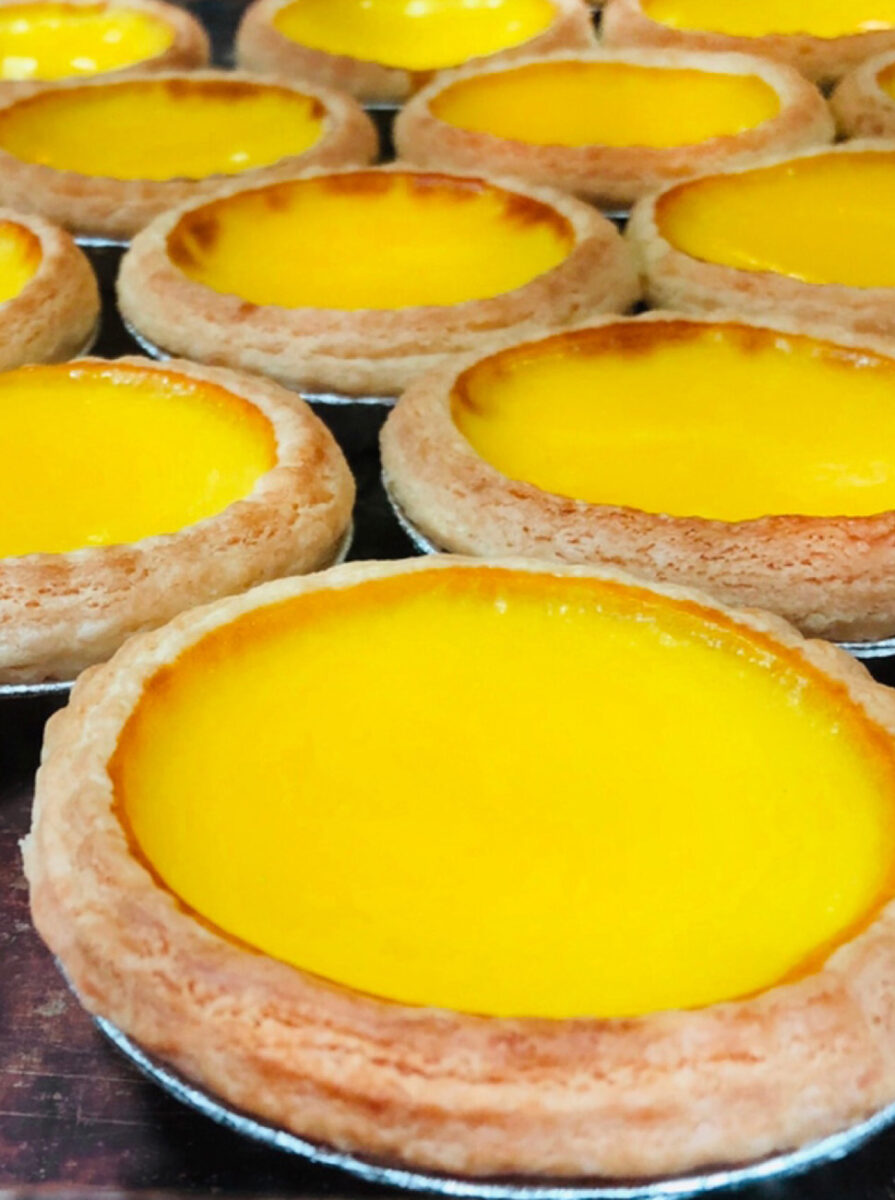
The city’s everyday flavors continue at cha chaan tengs, Hong Kong’s quintessential East-meets-West diners, which emerged after World War II when manufacturing took off, and workers sought quick, affordable meals. Cheung Hing Coffee Shop in Happy Valley — a spot dating to the early 1950s — is a great place to experience the timeless charm of cha chaan tengs. Don’t miss the rich, silky milk tea made from strong Ceylon leaves and evaporated milk, alongside pineapple buns, egg tarts and satisfying stir-fries.
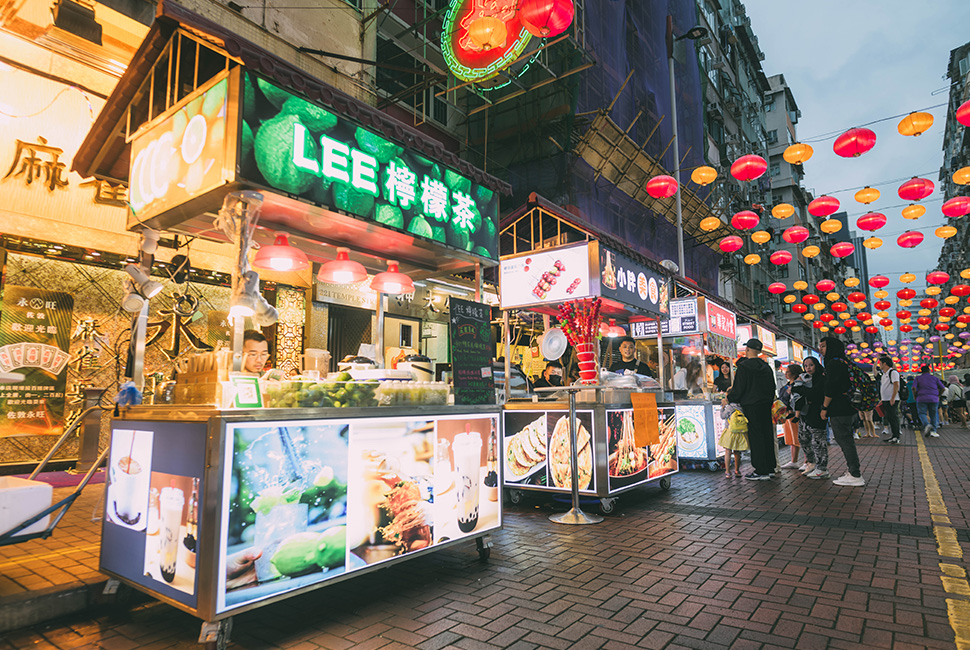
Seafood is another staple in Cantonese cuisine, thanks to the city’s long maritime heritage. Fill up on tasty grilled oysters, curry fish balls, razor clams and stir-fried squid at one of the dai pai dongs (street food stalls) at the Temple Street market in Yau Mai Tei.
You could also head up to Sai Kung, a strip of waterfront dubbed “Seafood Street,” where restaurants like Sing Kee let you choose your catch directly from tanks. On Lamma Island, spots such as Fu Kee serve up stir-fried mantis prawns and garlicky scallops with views of fishing boats bobbing offshore.
For comfort foods, stop by a traditional siu mei shop like Yat Lok or Kam’s Roast Goose, where glossy birds hang in the window and delicious aromas spill onto the street. Enjoy a juicy leg over rice for a quick, flavor-packed meal.
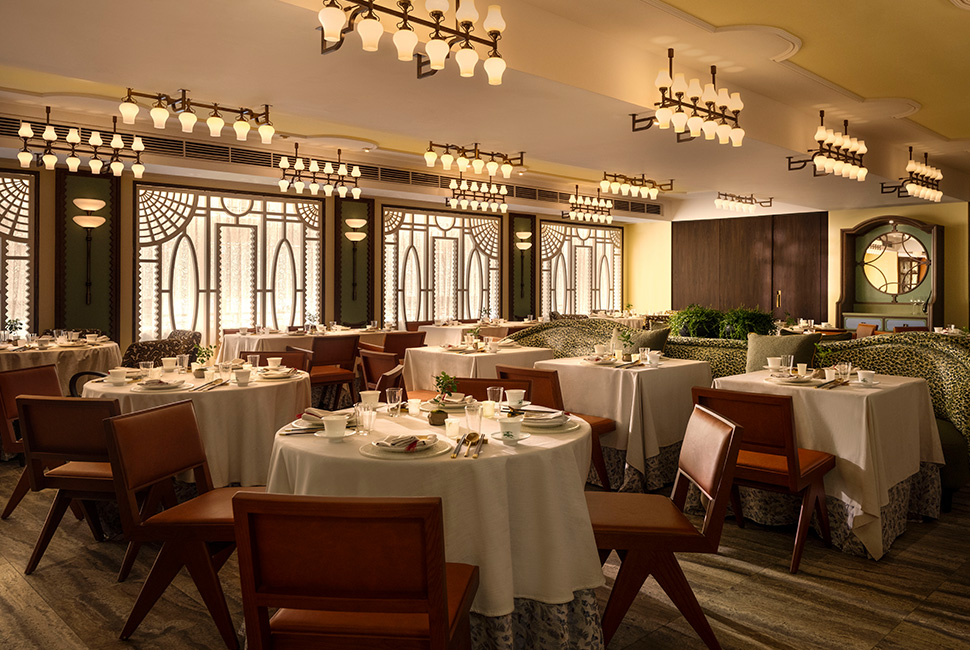
And when it’s time to elevate the experience, Hong Kong’s fine-dining scene delivers. Forbes Travel Guide Five-Star Lung King Heen at Five-Star Four Seasons Hotel Hong Kong features expert Cantonese technique paired with harbor views. Meanwhile, the newly refreshed Duddell’s creates a glamorous 1920s atmosphere where you can dig into signature dishes like crispy stuffed crab shell and sautéed prawn in rich chicken broth.
Roam far and wide
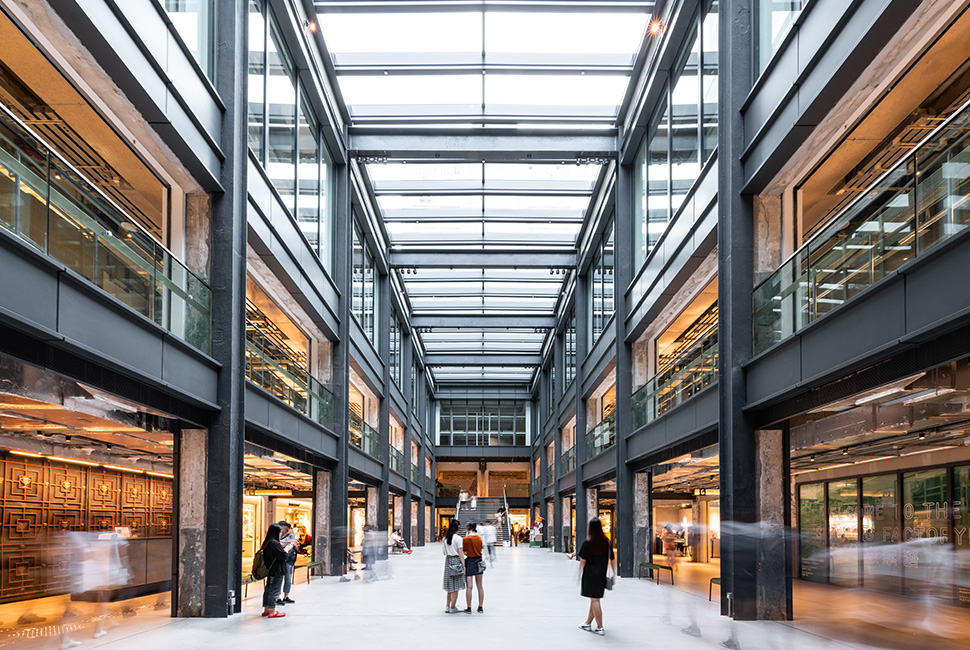
Hong Kong is often criticized for tearing down its older buildings, yet a few landmark revitalization projects have shown it’s possible — and popular — to transform buildings with historic significance. Once a restored Victorian-era police compound in Central, Tai Kwun is a prime example. After about a decade of planning and construction, the scenic complex opened in 2018 as a playground of galleries, performances, boutiques and breezy courtyards that feels made for lingering.
Join a guided tour to learn more about the architectural significance, and shop for souvenirs at local boutiques like Loveramics and LockCha Tea Shop. While you’re there, indulge in elegant British fare at The Magistry, or pop into 001, a speakeasy hidden inside the prison block, to sip on an “Earl Grey Marteani.”
Across the harbor to the northwest, The Mills in Tsuen Wan offers another thoughtful revival. Once a textile mill, it now houses a fascinating museum, a business incubator, artisan cafés and hands-on workshops. From the 1950s to the 1980s, Hong Kong’s garment industry was a global powerhouse — and this creative hub preserves that legacy while nurturing new talent.
To immerse yourself in everyday culture, wander around the vibrant neighborhood of Yau Ma Tei, where historic markets, Cantonese opera, kitchenware shops and traditional trades coexist with indie bookstores and contemporary cafés (don’t miss Kubrick, a cultural hub for cinephiles and bookworms). You’re just as likely to walk past a jade stall or a tofu specialist as you are a third-wave coffee shop in this corner of the city.
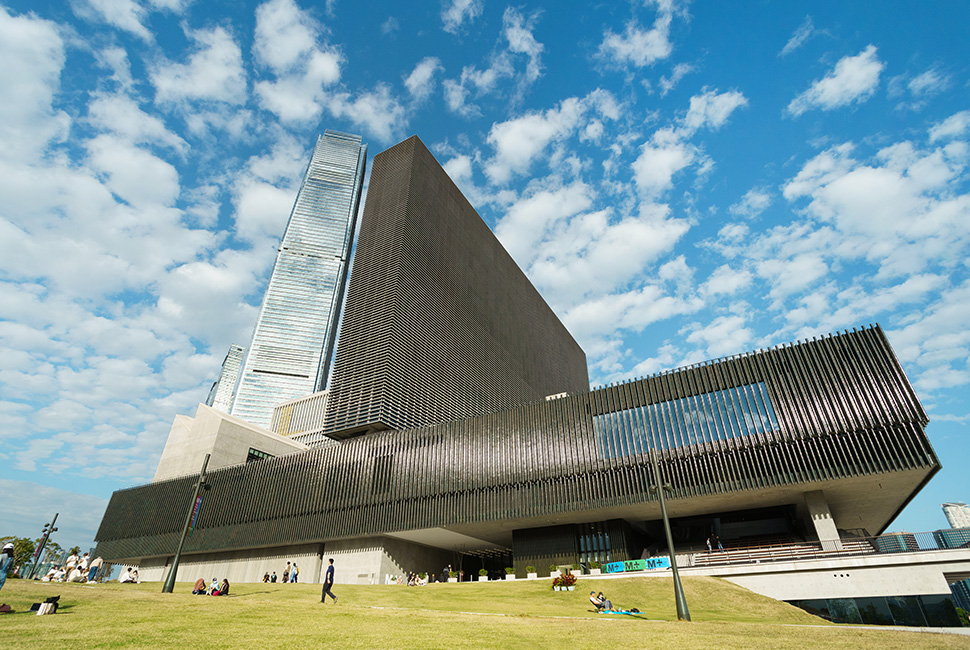
For a broader look at Hong Kong’s cultural rise, head to the West Kowloon Cultural District. M+, Asia’s first global museum of visual culture, anchors the cinematic waterfront precinct with collections spanning contemporary Chinese art, neon signs, architectural icons, printmaking and graphic art. Within the sprawling harborfront park, the Xiqu Centre for Cantonese opera, Freespace center for performing arts and the Hong Kong Palace Museum round out a world-class arts corridor.
Culture also thrives far beyond the institutions: incense curls around shrines within Man Mo Temple in Sheung Wan and Tin Hau in Yau Ma Tei. Market lanes brim with festival offerings and lucky charms. Artisans carve mahjong tiles or engrave stone chops in tiny workshops off busy thoroughfares.
Farther north, the walled villages of the New Territories — including Lai Chi Wo and Kat Hing Wai — offer rare glimpses of centuries-old clan life through Taoist shrines, ancestral halls and ancient watchtowers. Wherever you roam, there are constant reminders that, no matter how fast the city forges ahead, its roots continue to keep the Hong Kong spirit intact.

Stay in Hong Kong style
To sleep in Hong Kong is to choose the version of the city that speaks to you most. Are you keen to revisit its maritime heyday, luxuriate at the “Grande Dame of the Far East” or experience a masterclass in contemporary Chinese design?
At the recently renovated Four-Star Island Shangri-La, feng shui principles meet exceptional harbor views, while chinoiserie details — silk floral wallpapers, hand-cut mosaic bathrooms and murals of misty forests — create an atmosphere of modern Asian luxury with artistic nods to Hong Kong’s heritage.
For something more remote, the grand white Tai O Heritage Hotel feels like another world. Set in a lovingly restored marine police station dating to 1902, the nine-room hideaway sits atop a small hill on Lantau Island, overlooking the sea. It’s an ideal base for exploring Tai O, just a short walk or boat ride away. Known for its stilt houses, canals, fragrant shrimp-paste producers and occasional pink-dolphin sightings, the fishing village offers a fascinating window into Hong Kong’s seafaring roots.
And then there is the Five-Star Peninsula Hong Kong, the city’s longest-running luxury hotel, opened in 1928 and still synonymous with Old World opulence. Arrive in a signature “Peninsula Green” Rolls-Royce, soak up cinematic harbor views and wander halls layered with history. From its role in World War II to moments on screen in feature films like The Dark Knight, this beacon of hospitality has seen it all from its prized location along the Tsim Sha Tsui waterfront.
