
Your favorite hotel might not even exist without Alexander Miles. A Black inventor from Circleville, Ohio, Miles noticed how dangerous it was operating manual elevator doors in the late 1800s and wanted to do something about it. Around 1887, he ingeniously came up with a system of belts, levers and rollers that would automatically open and close elevator doors on the correct floor, thus eliminating human-error elements and forever making lifts more convenient.
Be it with elevators or electricity (Lewis Latimer’s filament made lighting practical and affordable), getting into your hotel room (Osbourne Dorsey invented the doorknob) or going out for 18 holes (George Grant came up with the golf tee), the hospitality world has long reaped the benefits of Black brilliance.
That sentiment hasn’t always been reciprocated. The leisure and hospitality space is generally considered one of the most diverse industries. But when it comes to decision makers in that same arena, things turn bleak. According to an OysterLink analysis of U.S. Bureau of Labor Statistics from December, Black professionals held just 9.5% of hospitality leadership positions in 2024, down from 11.3% in 2022.
To gain a better understanding of those stats and what can be done to improve them, Forbes Travel Guide spoke to five Black hotel leaders: Porsche L. Pettiford, vice president, Hotel Openings, Transitions and Operations Support Resources, (U.S./Canada/Caribbean and Latin America), Marriott International; Prince A. Sanders, general manager, The Wall Street Hotel (New York); Emmanuel West, director of operations, The Tides Inn (Virginia); Anthony L. Bradford, resort manager, Baoase Luxury Resort (Curacao); and Dewayne Wright, managing director, JW Marriott Reston Station (Virginia).
Their thoughtful responses (which have been condensed here for space) prove that, though the industry’s come a long way since the days of Miles, there is still plenty of work to do.
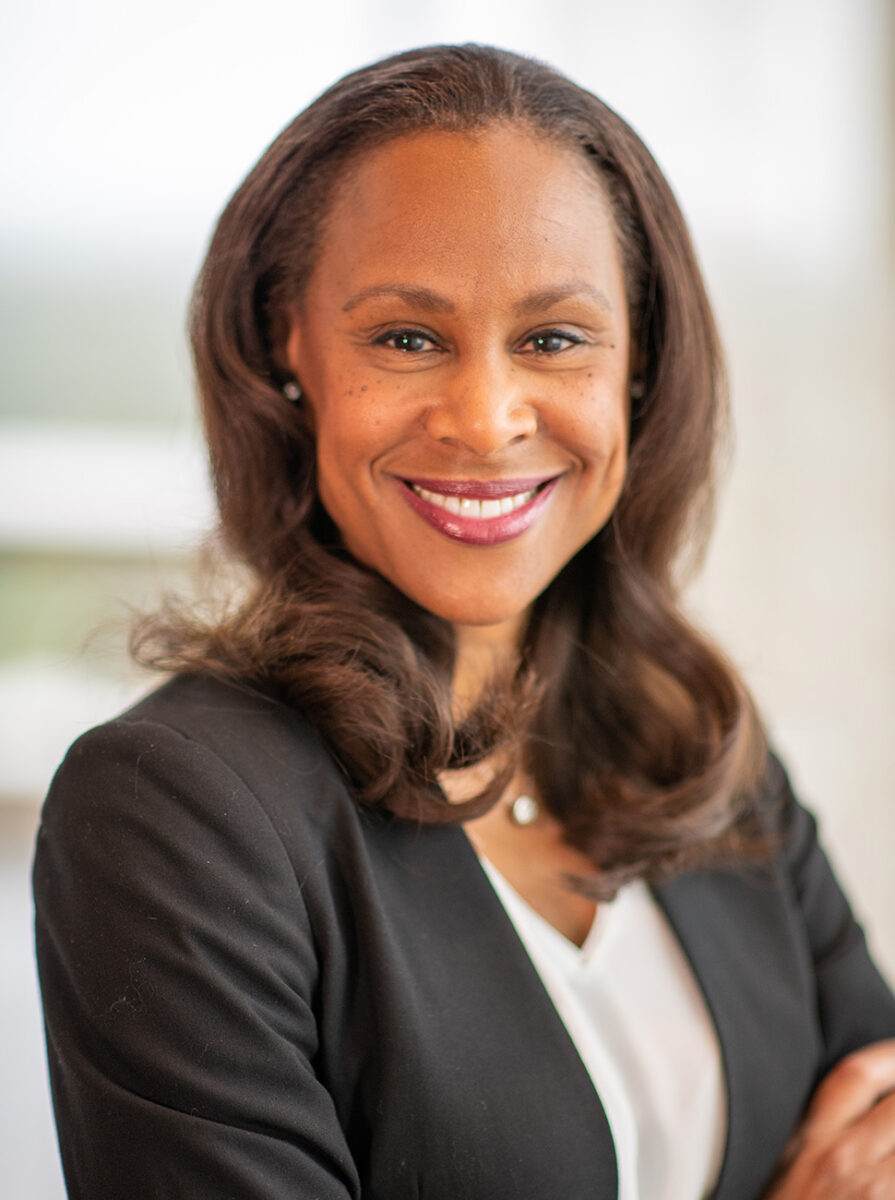
What are some industry-wide changes that could be made to help that 9.5% Black leadership figure increase?
Porsche L. Pettiford: Two industry-wide changes that could help increase that number are expanding structured mentorship and sponsorship programs, and investing in targeted leadership development initiatives.
First, formal mentorship and sponsorship programs can connect emerging Black professionals with senior leaders who not only provide guidance but also actively advocate for them in promotion and advancement decisions. Sponsorship is particularly impactful because it ensures high-potential employees gain visibility, stretch assignments, and access to influential networks that are often critical for leadership progression.
Second, companies can invest in leadership development programs specifically designed to support underrepresented employees, such as paid management training, executive education partnerships and rotational leadership tracks. By equipping Black professionals with the skills, credentials and organizational exposure needed for senior roles, these programs help bridge the gap between entry- or mid-level positions and executive leadership.
Prince A. Sanders: The first change must be structure. Too many talented individuals enter hospitality without a clearly defined path to leadership. Companies need formal management development programs that outline how someone moves from line-level roles into executive leadership. When the path is visible and standardized, it becomes attainable.
Mentorship must be more intentional. Not exclusive, but inclusive. We need mentorship programs that actively support minorities, younger generations and line-level employees who may not yet see hospitality as a long-term profession. Many people don’t grow up thinking of hospitality as a career; they see it as a job. Exposure changes that perspective.
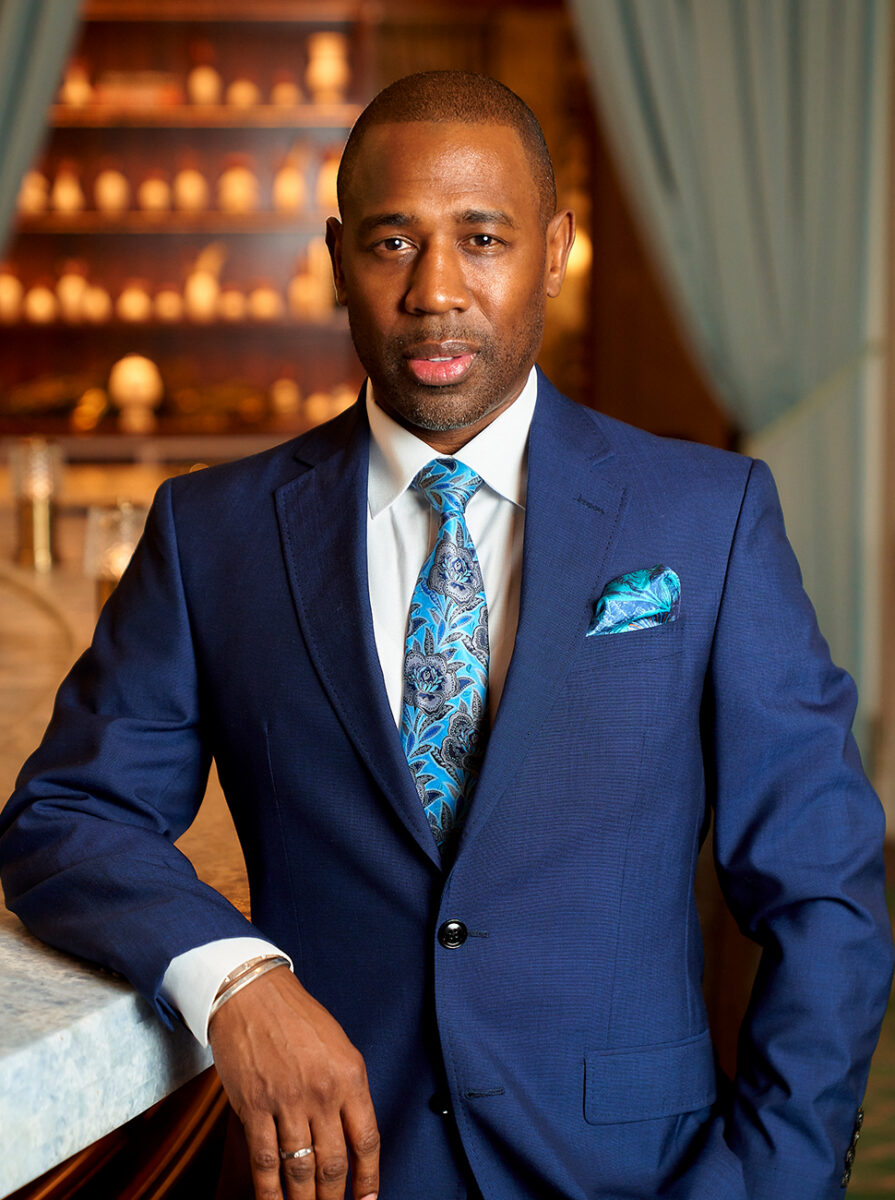
Emmanuel West: First, formalized and sponsored mentorship programs, as a standard practice, are key within the hospitality industry — not just for the development of Black leaders but for all leaders.
Second, the multitude of viable career pathways within the hospitality space seems uncharted territory from the outside looking in. In underrepresented communities, demystifying these pathways and creating opportunities for exposure is necessary.
Third, redefine what “qualified” looks like. I see careers in hospitality as more accessible. Traditional education pathways are not the only way to stake your claim. This industry values skill, work ethic, adaptability and composure under pressure. We have already removed barriers for entry. Ensuring that we can eliminate those barriers for growth, development and advancement are equally essential.
Anthony L. Bradford: If the industry is serious about increasing representation at the leadership level, we must rethink how we define and recruit talent. We need to intentionally recruit high-performing African American professionals, including those whose academic backgrounds are outside traditional hospitality programs. My own degree is in biology. I did not enter this industry through a conventional path, and that cross-disciplinary background has strengthened my leadership perspective.
Hospitality is fundamentally a relationship business. Top talent, in my view, is not defined solely by hospitality credentials. It is defined by individuals who are intellectually curious, emotionally intelligent and naturally inclined toward service. Leaders who can navigate complex relationships, align diverse stakeholders and make every team member feel included in shared goals are invaluable.
Dewayne Wright: When we study the reality that only 9.5% of hospitality leadership roles are held by Black professionals, the challenge is not talent, it is intentional pipeline design.
First, our industry must expand early exposure. Many young Black students do not consider hospitality leadership because they have never seen themselves reflected in those roles. Strategic partnerships with high schools, HBCUs [historically black colleges and universities] and universities must go beyond recruitment and focus on education, immersion and access. Paid internships, executive shadowing and structured leadership development programs create both confidence and competence. Exposure transforms possibilities into preparation.
Second, organizations must institutionalize transparent advancement pathways. Talent often enters the industry at the line level, yet the progression to executive leadership remains informal and inconsistent. Companies should identify high-potential individuals early and provide structured development, cross-functional rotations, financial literacy training, executive mentorship and ownership-facing experience. Advancement should be measurable, supported and tied to leadership accountability.
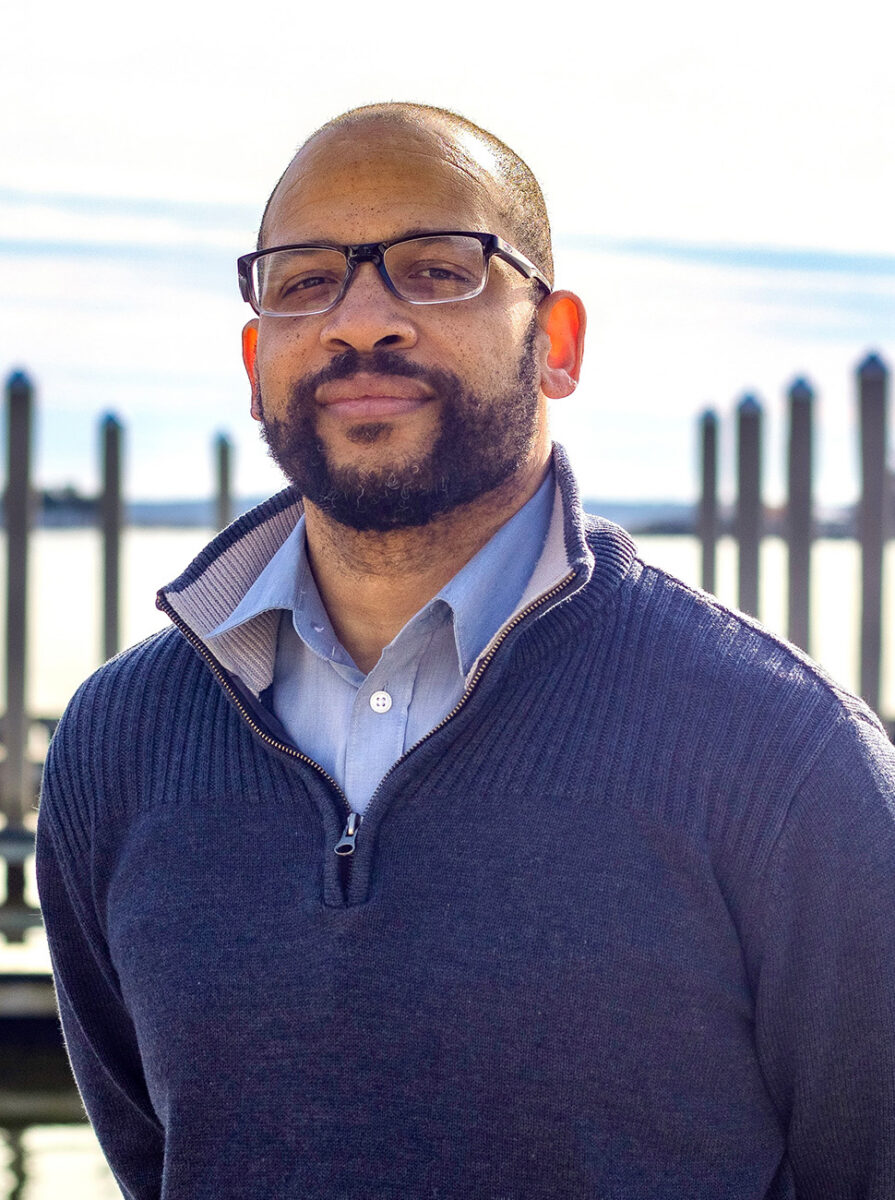
What are some of the biggest challenges you’ve faced as a Black person in this predominantly white field?
Pettiford: One of the biggest challenges I’ve faced has been being one of the only Black professionals in certain rooms, especially in leadership settings. That sometimes comes with added pressure — feeling like you have to represent more than just yourself, or having your competence questioned in subtle ways.
Early on, I realized that informal networks and sponsorship opportunities were not always as accessible to me, so I became intentional about building relationships, seeking mentors and consistently demonstrating my value through preparation and performance. I’ve also chosen to view my presence as an opportunity to expand representation and create pathways for others coming behind me. While the challenges are real, they’ve strengthened my resilience, sharpened my leadership skills and deepened my commitment to fostering more inclusive environments.
Sanders: I didn’t move through my career focused on the color of my skin. I focus on the responsibility of leadership. Have there been moments where someone didn’t immediately assume I was the general manager? Of course. That can happen in luxury hospitality. But I don’t take those moments personally. I understand that representation of African Americans at this level hasn’t always been common. My mindset has always been rooted in something my mother taught me growing up: be better. Not because someone doubts you. Not because someone overlooks you. But because excellence is a choice.
West: Overcoming stereotypes and biases is an ongoing challenge for Black leaders in any field. Hospitality is no different on that point. Challenging existing leaders to see me and my contributions is a daily battle. But the hardest part is getting that initial opportunity to demonstrate my talent, my skills and my ability.
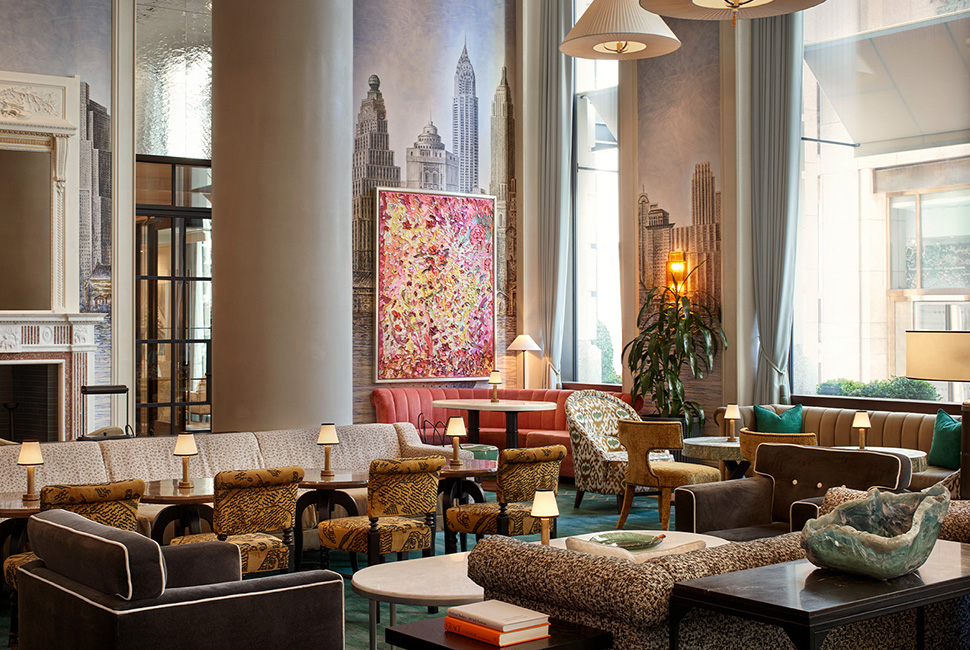
Bradford: I prefer to view challenges as opportunities. You may be disappointed in not getting a role that you are highly qualified for. Don’t give up or be discouraged; keep sharpening your skills and your time will come.
Every obstacle presents a chance to refine leadership, strengthen perspective and build resilience. In an industry where representation at senior levels remains limited, navigating complex dynamics requires composure, discipline and strategic awareness.
Wright: Hospitality is an industry built on emotional experiences and welcoming others yet there have been moments in my journey where I was not immediately welcomed myself. I have experienced racism. On multiple occasions, I have walked into luxury spaces where my leadership was not assumed, where it was in fact presumed that my role must be affiliated with security rather than executive management. I have felt the quiet testing of competence before credibility was extended. Those moments are sobering. Not because they are shocking, but because they are reminders that representation still matters.
Early on, I had to decide how I would respond. I chose discipline over reaction. I leaned into emotional and psychological intelligence through reading the room, maintaining composure, and allowing preparation to speak before perception could settle. I never wavered from the mindset of excellence, delivered consistently, is difficult to dispute.
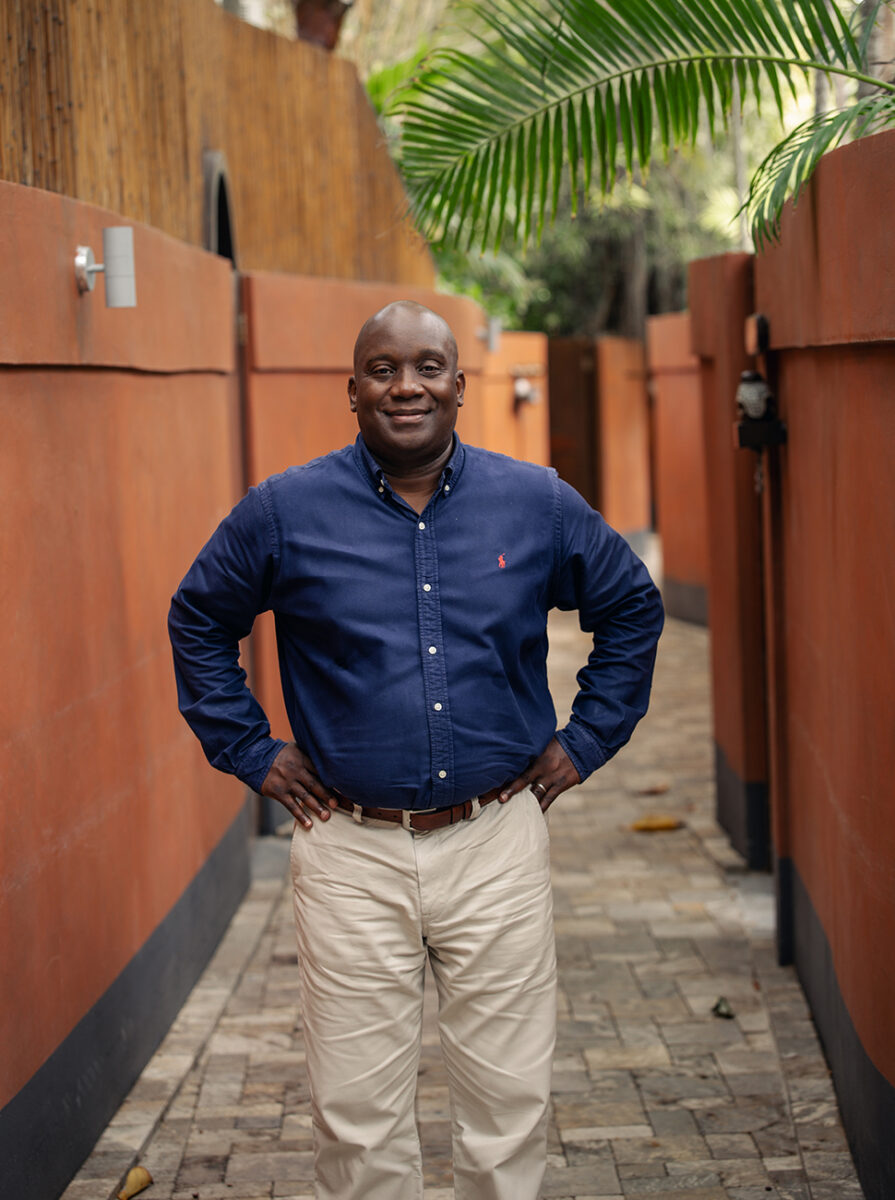
To the 18-year-old African American student who’s on the fence about a career in the hospitality space, what advice would you give them?
Pettiford: I’d first tell them I understand that hesitation. From the outside, hospitality can look like “just a job.” What most people don’t see is that it’s actually a masterclass in leadership, emotional intelligence and business — if you choose to treat it that way.
Sanders: Find mentors, and don’t wait for them to find you. Seek out leaders who inspire you and introduce yourself. Ask questions. Stay curious. Many successful leaders are willing to invest time in young people; they just may not know who is watching or aspiring to follow their path.
West: I would always advise that education is key, bearing in mind that there are so many different avenues for education. Absorb knowledge at every opportunity. Be open to learning something from every person that you interact with. Find a mentor. Communicate to the people in your sphere what your goals are. Ask for help — often.
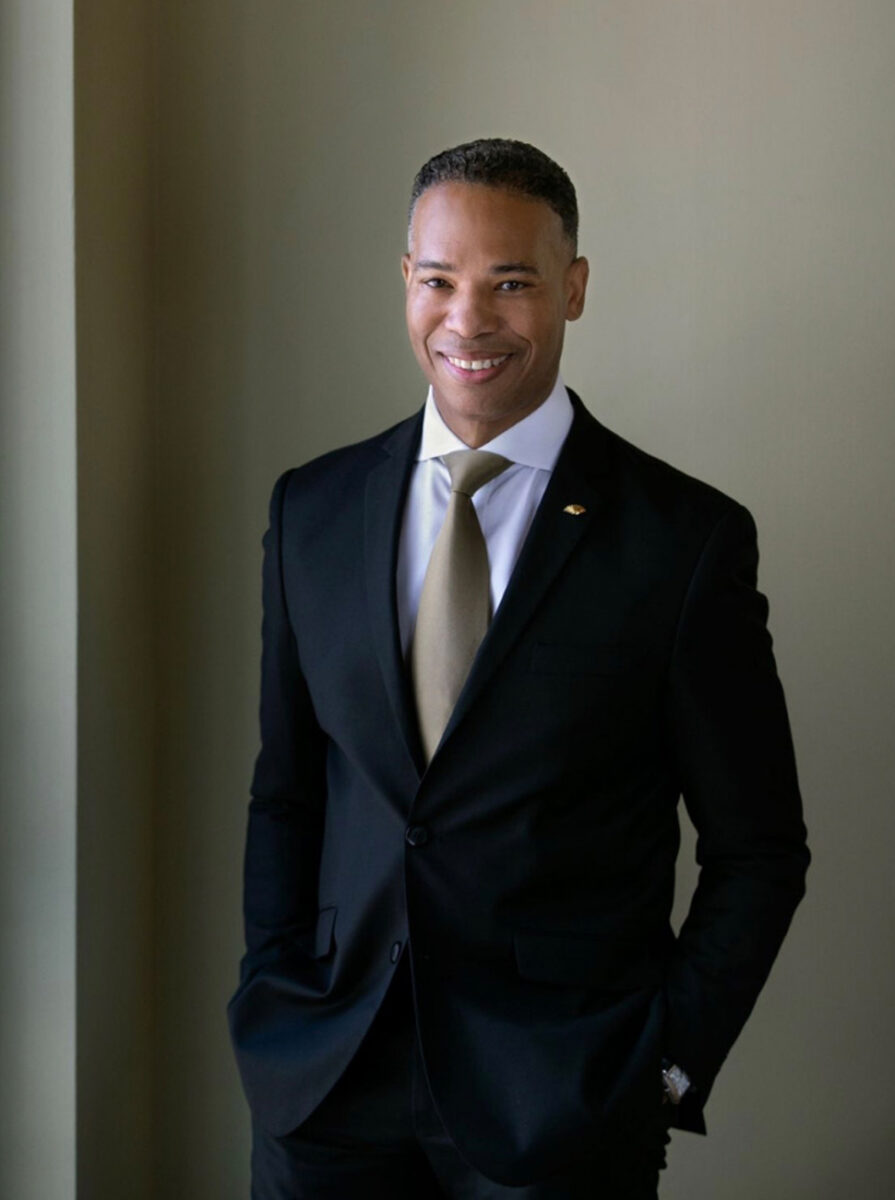
Bradford: Preparation is everything. I often share this advice with my own 17-year-old son: take your education seriously, learn from every mistake and pursue your passion with discipline.
Hospitality is not simply about service; it is about leadership, economics, brand strategy, asset management and global business. For young professionals considering this field, the opportunity is significant, but so is the responsibility.
Stay grounded in who you are and the values that shaped you. Character is a long-term asset. Integrity, humility and discipline will sustain you in rooms where talent alone may not be enough.
Finally, work smart and work hard. Strategy without effort is ineffective. Effort without strategy is inefficient. The combination of preparation, self-awareness and relentless execution creates momentum.
Wright: Luxury is not about where you begin — it is about the standard you choose to uphold. I grew up in South Central Los Angeles, far removed from ultra-luxury hotels. What I did experience, however, was intentional hospitality. I watched the women in my family create environments where everyone felt welcomed, valued and respected. That foundation shaped my understanding of service long before I entered a hotel.
Hospitality is one of the few industries where excellence, discipline and emotional intelligence can transcend background. I approached my career with the mindset of a competitive athlete through preparation, resilience and consistency. Those principles translate directly into luxury leadership.
To young professionals who may feel uncertain about belonging in high-end spaces, I would say this: exposure can be gained. Confidence can be developed. Standards can be learned.
