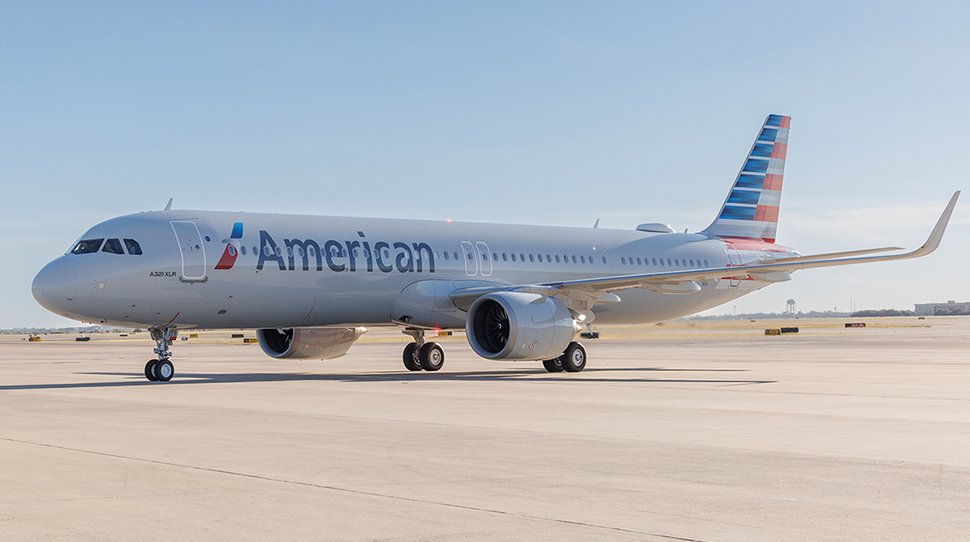
Premium travelers are doing more than just flying — they are investing in the journey. They are taking more frequent trips, booking farther in advance and showing a greater willingness to pay for a better in-flight experience. In response, airlines are overhauling everything from cabin design to global route networks, ushering in a new era in the skies.
Here’s how that evolution will take shape in 2026 and beyond.
Business class suites are the new baseline
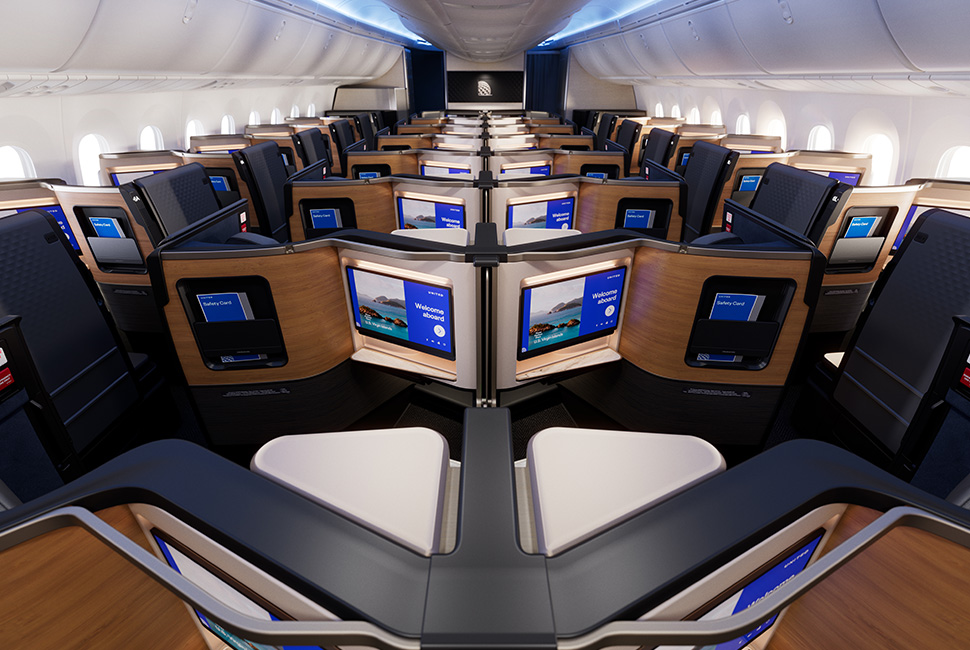
Less than a decade ago, an enclosed business-class suite felt novel. Today, it’s nearly an expectation on long-haul, international aircraft. Sliding privacy doors, direct aisle access and fully flat beds are no longer just “nice to have” perks.
When Qatar Airways unveiled the Qsuite in 2017, it became the first widely deployed business-class seat with a privacy door. The Doha-based carrier helped redefine what privacy and flexibility could look like in business. Other airlines moved quickly to create their own versions. British Airways launched its Club Suite and Delta Air Lines expanded Delta One Suites across its long-haul fleet.
The next phase of business class is already underway. Later this year, United Airlines will debut a redesigned Polaris product with privacy doors, along with eight Polaris Studios that are equipped with extra-large berths that allow companions to join during the flight.
Meanwhile, Cathay Pacific will continue rolling out its acclaimed Aria Suite, featuring customizable ambient lighting, high-end materials, such as supportive leather headrests and easy-to-use technology. And American Airlines has introduced its Flagship Suite, first launched on the Boeing 787-9 and soon to be expanded to retrofitted Boeing 777-300ERs.
First class is becoming more exclusive
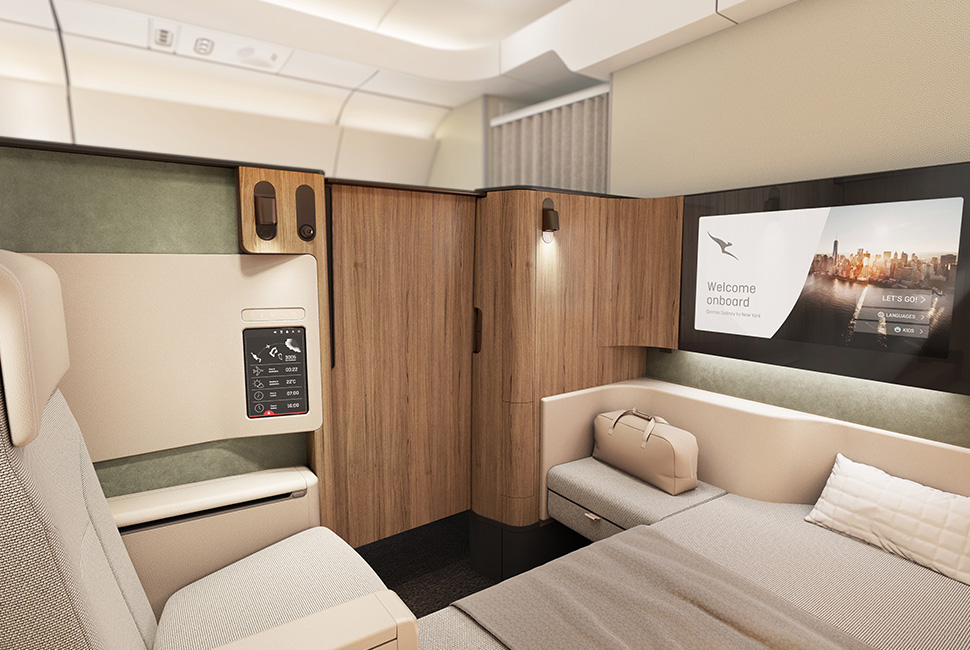
During the pandemic, first class faced an uncertain future as airlines retired large aircraft and shifted investment toward business-class innovation. The rebound in luxury travel, however, driven by high-net-worth travelers seeking greater privacy, space and exclusivity, has ushered in a new chapter.
At the very top of the market, a select group of global carriers is investing billions to elevate the experience from check-in to touchdown. Air France is installing a redesigned La Première cabin on its Boeing 777-300ER fleet, which has four expansive suites that stretch the boundaries of space on a single-deck jet. Singapore Airlines, British Airways, Cathay Pacific and Qantas are all expected to come out with ultra-exclusive first-class offerings through 2027.
Even smaller carriers are doubling down. Etihad Airways is extending first class to its Airbus A321XLR fleet, which will include two enclosed suites, an ambitious move for a narrowbody plane. By 2030, the airline says it plans to have its entire fleet offer first class.
Narrowbody jets are redefining expectations
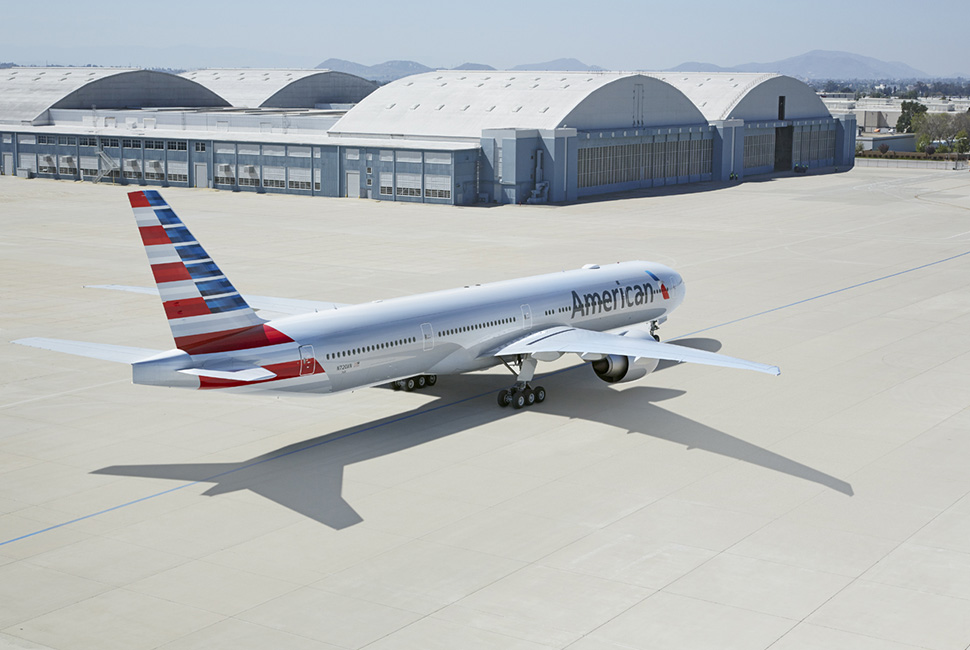
One of the most consequential onboard shifts in aviation is happening on smaller aircraft. Long-range, single-aisle jets, particularly the Airbus A321LR and A321XLR, are now being outfitted with true lie-flat business-class seats, many with sliding doors and direct aisle access. What was once confined to widebody flagships is migrating to the rest of the fleet.
American Airlines recently took delivery of its first Airbus A321XLR, capable of transatlantic and other long-haul missions. Onboard enhancements include enclosed business-class suites, an upgraded premium economy cabin and improved connectivity. Over the coming years, 50 of these aircraft will join the airline’s fleet. Both United Airlines and Delta are expected to deploy similar aircraft on premium-heavy routes by 2027.
With narrowbodies that can fly longer distances, airlines can economically launch nonstop flights that bypass traditional mega-hubs. Instead of connecting through New York, London or Frankfurt, for instance, travelers can increasingly fly directly between U.S. cities and smaller European or Latin American destinations. For time-sensitive, premium travelers, eliminating a connection is its own form of luxury.
