One fascinating aspect of traveling through Southeast Asia is experiencing the juxtaposition of eras spanning ancient times, colonialism and the modern world. This rings especially true if you set an itinerary for two of the region’s most storied cities: Hanoi and Bangkok.
Of the pair, Hanoi is by far the elder, settled at least 4,000 years ago. It first became an imperial capital in 1010 when Emperor Lý Thái Tổ named it Thăng Long, or the “Ascending Dragon,” and it remained vital through various dynasties until France declared it Indochina’s ruling city in 1902. Many of its colonial buildings went up during this chapter, which closed with the Japanese occupation from 1940 to 1945. Finally, after two wars for independence, the Socialist Republic of Vietnam made Hanoi the nation’s capital on July 2, 1976.
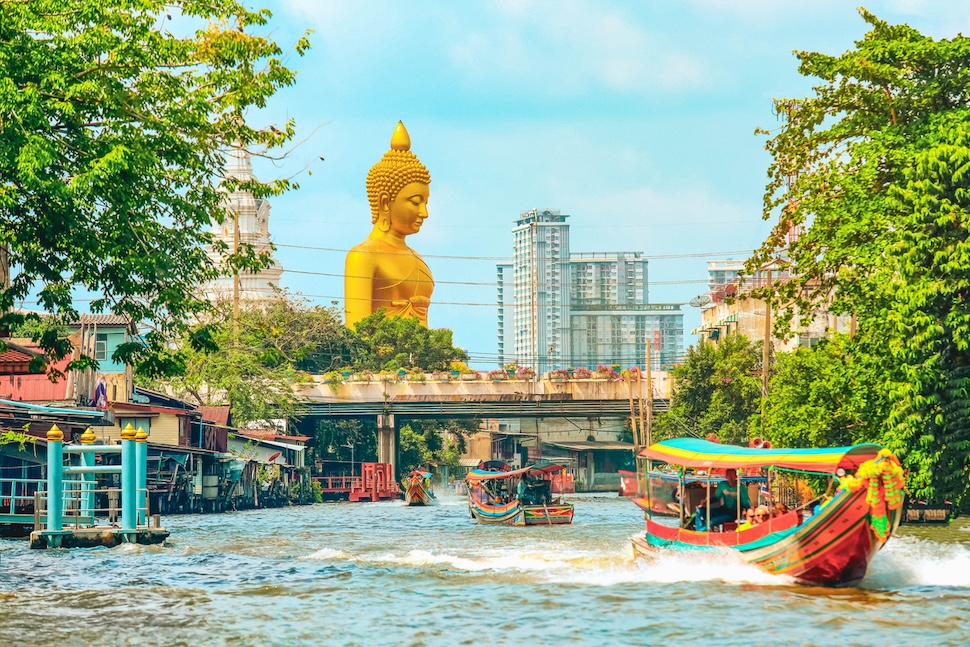
The first signs of continuous settlement in the Bangkok area wouldn’t appear until at least the early 15th century. Its early settlement developed into a customs outpost on the Chao Phraya. After Ayutthaya fell in 1767, Taksin the Great set up the capital of then-Siam on its western bank. King Rama I moved the capital across the river in 1782, founding the city the Thais call Krung Thep. The kingdom’s seat has since blossomed into one of the world’s most spectacular and cosmopolitan megacities.
Numerous remnants of old Siam exist in the Thai capital. And although the kingdom avoided European occupation, King Chulalongkorn enlisted Italian architects in his push to modernize at the end of the 19th century. Their Neoclassical and Palladian designs endure in buildings such as the Authors’ Wing of Forbes Travel Guide Five-Star Mandarin Oriental, Bangkok, the old Customs House (reopening as The Langham, Custom House, Bangkok in December) and the Defense Ministry.
In Hanoi, colonial French influences convey similar aesthetics, especially in the French Quarter, where they accompany Vietnamese architecture. This marriage of styles has come to signify Hanoi’s identity, but Bangkok’s hyper-modern skyline draws as much attention as the older structures. It’s fitting then, that when Capella Hotel Group planted flags in these cities, it created a colonial-style art deco “opera house” in Hanoi and one of Thailand’s sleekest modern hotels in Bangkok.
Bangkok’s Stunning Riverside Retreat
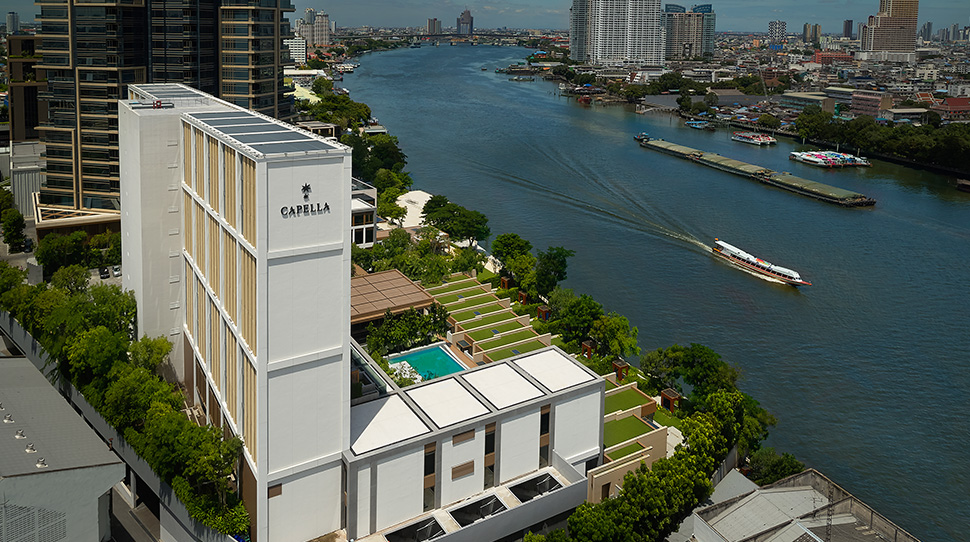
The Five-Star Capella Bangkok opened in October 2020 within the larger Chao Phraya Estate development. A quieter start with only domestic guests during the Covid-19 lockdown gave staff more time to train and gel as a team. When the country reopened, Capella rose to the top of the city’s hospitality scene. Its service, including personal “culturists” who combine butler and concierge roles, is so extraordinary that, despite having 101 rooms, it presents more like a boutique than a city hotel.
The rooms all face the pool or river with floor-to-ceiling windows and outdoor living spaces. But for the full retreat experience, opt for one of the seven villas. Each comes with a sala, Jacuzzi plunge pool, garden and riverbank daybed; the Presidential Villa, with a sliding wall of mirrors that shuts off the primary bedroom, is the one to book if you’re planning on entertaining.
While the overall tone of Capella Bangkok is clean and restrained, the interior design imparts unmistakable Thai flavor. Each room includes a framed stanza of poetry once performed during Royal Barge ceremonies. The Thai alphabet is beautifully ornate, and artist Nipan Oranniwesna inscribed each passage by pin-pricking thick paper, creating a braille-like result.
Near the hotel’s main entrance, a large installation of undulating fabric titled River of Gold hangs on the wall of the Tea Lounge. Contemporary Thai textile artist Ploenchan “Mook” Vinyaratn wove its massive folds from upcycled fabric, yarn, metallic thread and cassette tape to capture dusk’s light on the water in a tapestry of reds, browns, brass and gold.
Capella Bangkok occupies an area that simultaneously draws on history and represents the city’s progress. On one side flows the Chao Phraya, vibrantly alive with rice barges, tour boats and attractions as diverse as Wat Arun (the temple of dawn) and ICONSIAM, one of the city’s most prominent high-end malls. On the other side runs Charoen Krung Road. First opened in 1864, “New Road,” as it was called, helped the city grow inland and has evolved into a multicultural neighborhood pairing long-standing shophouses with modern art galleries, street food with trendy cafes.
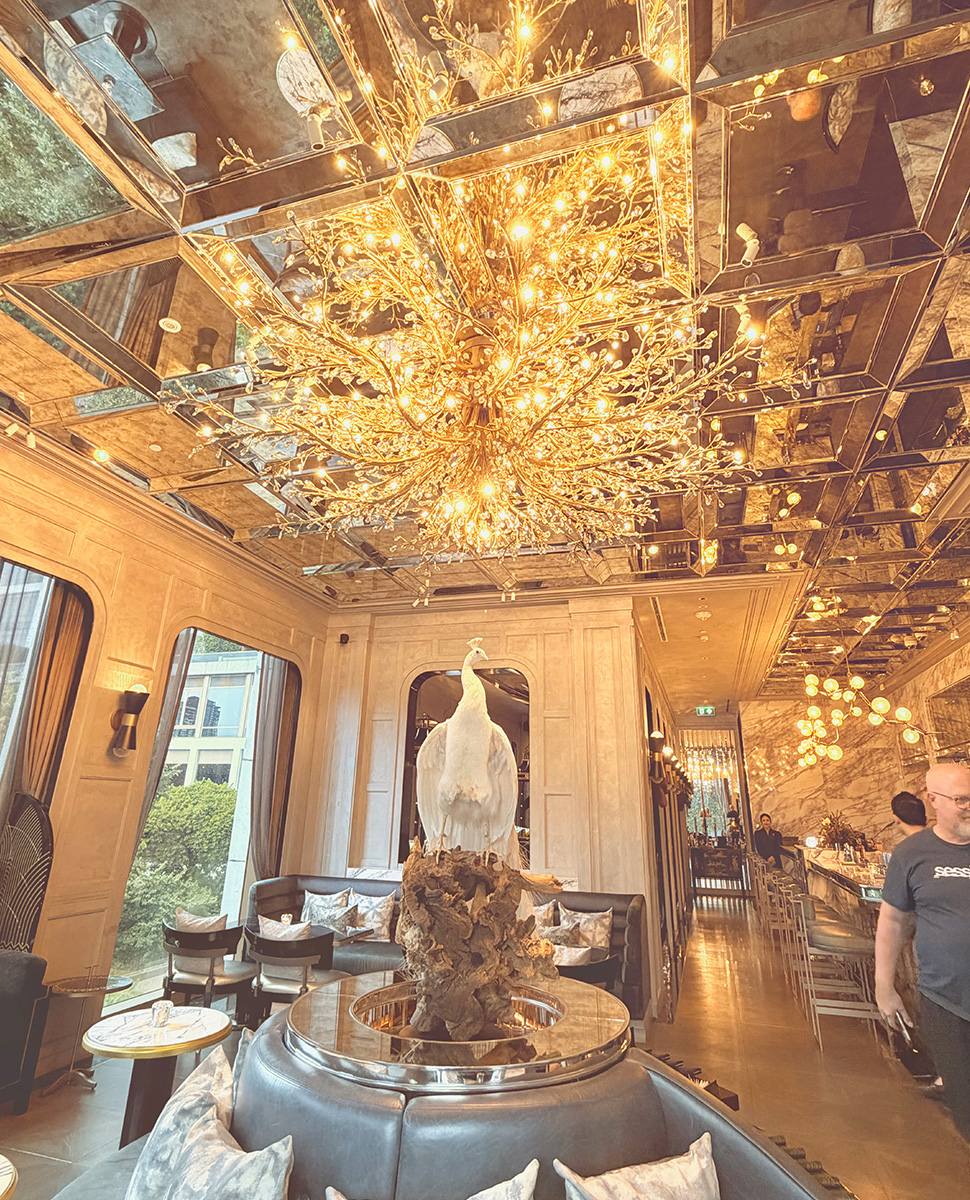
Likewise, Capella’s dining and entertainment outlets serve traditional and contemporary dishes at the riverside, Thai restaurant Phra Nakhon and Côte by Mauro Colagreco. Don’t miss the former’s red curry with roasted duck and, if possible, order the pigeon in Côte’s six-course signature tasting meal. For a cocktail or nightcap, try the Ya Dong Experience (a sampling of creative takes on Thai moonshine) at Stella, where a taxidermied white peacock presides over a hip scene that often includes live music.
A Celebration of Culture in Hanoi
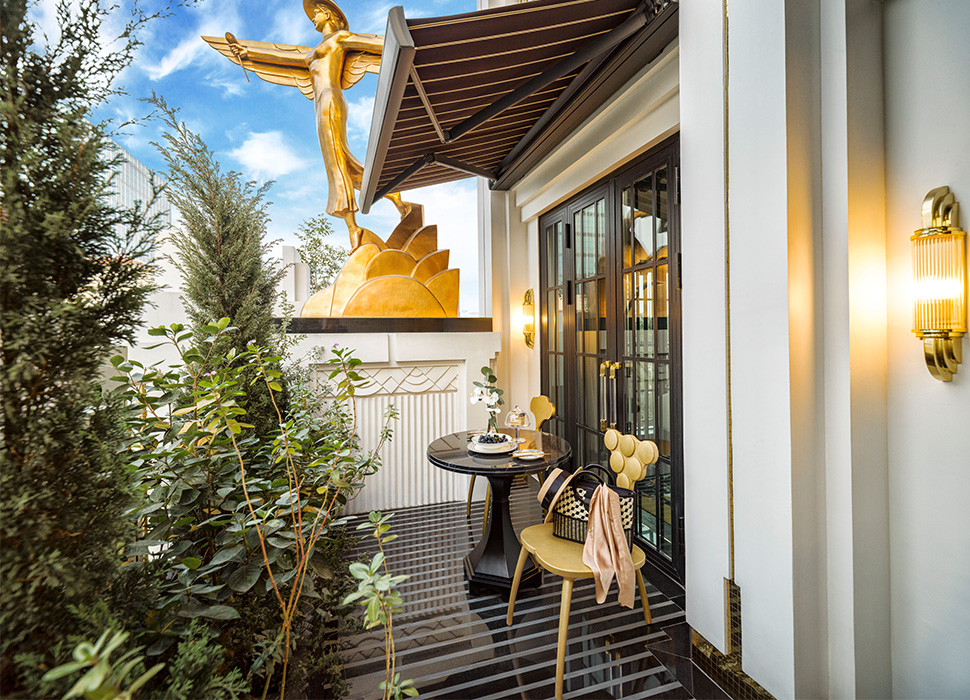
While Capella Bangkok paints a modern portrait, Five-Star Capella Hanoi transports guests to Vietnam’s Roaring Twenties with opulent art nouveau flair. Several female gilded angels dressed in traditional ao dai stand on the roofline, offering guests welcome and protection. Visionary architect Bill Bensley designed the hotel, a new build on a corner plot in the French Quarter, just steps from the Hanoi Opera House. In his fictional yarn, the building was a petite auberge (“little inn”) where performers would primp themselves, rest their voices and celebrate throughout their run of shows.
Climb the hotel’s marble staircase to Diva’s Lounge, and step inside Bensley’s glamorous West-meets-East world. He styled the bar as a stage flanked by billowing red curtains. The room feels like a dinner theater with small clusters of black lacquered seats and art deco tub chairs set around marble-top tables. In the neighboring space, you’ll find the Living Room, where you can join daily cultural activities such as leather working or woodblock printing, drop in for the “sweet delights” cake trolley or swing by for the opera punch at the live Jazz Soirée.
The theatrical motif runs throughout most of Capella’s public spaces, including Backstage, the signature restaurant that showcases vintage costumes and gowns while spotlighting the cuisine of Northern Vietnam (go for the Tasting of Hanoian Spring Rolls and the bun cha pork meatballs).
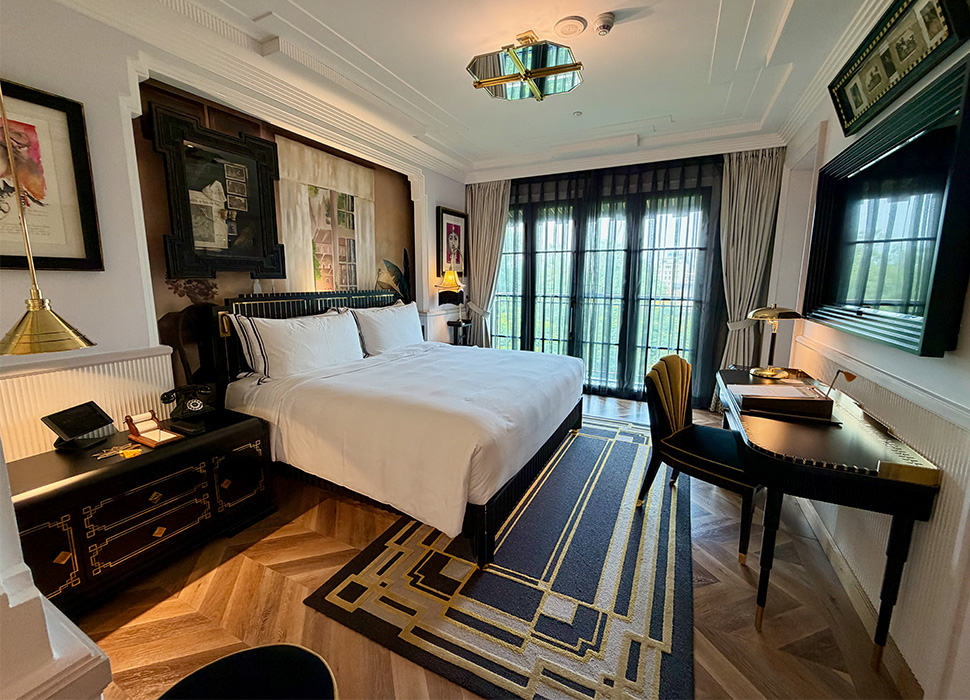
The five guest floors feature different opera components such as “The Starlets” or “The Drama,” and each of the 47 rooms and suites brims with individualized memorabilia from historic entertainers like Lina Cavalieri and famous shows such as Madama Butterfly.
The Hudson Rooms rooftop restaurant and bar is a thematic teleportation to Grand Central Terminal of the 1920s that departs from the opera theme. Oysters star here, though the menu also includes wagyu steaks and poached lobster. And make sure to inquire about the invite-only speakeasy, Track 61, named for a secret platform famously used by President Franklin Delano Roosevelt.
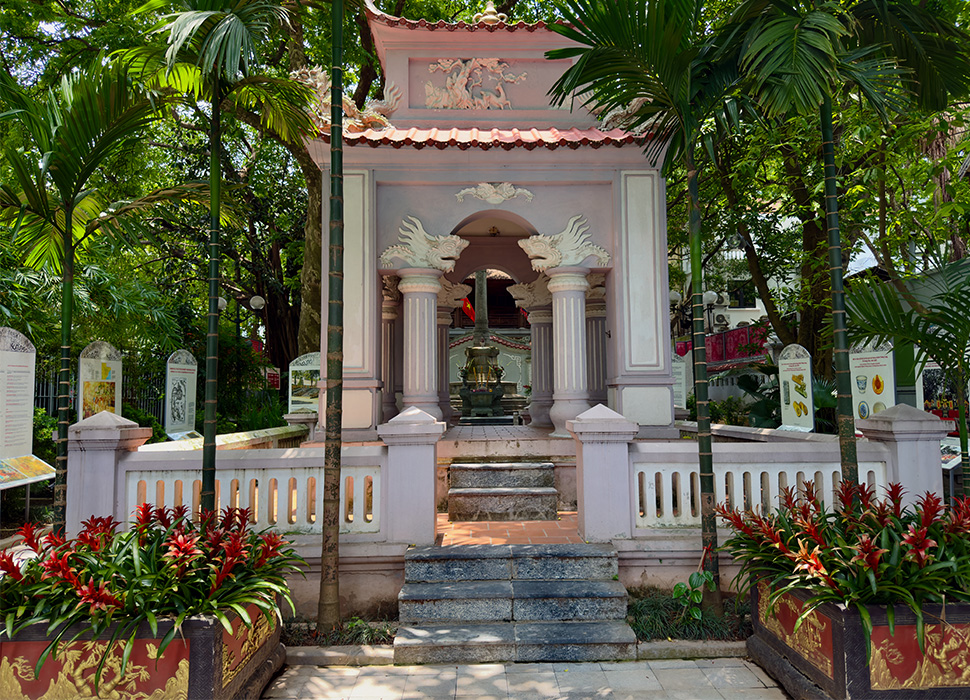
Capella Hanoi became the brand’s sixth property when it opened in April 2021. Located beside the Dien Hong Flower Garden and across from the colonial-era Government Guest House, the hotel is an easy walk to the Old Quarter and its labyrinth of shops, restaurants and temples — some dating to the 11th century. Hoan Kiem Lake lies just over a block away, and its mile-long loop makes for a nice stroll past Ngoc Son Temple (and its “Morning Sunlight Bridge”) as well as Turtle Tower, on an island near the southern end. From Friday evening through Sunday night, neighboring roads shut down, creating a fair-like atmosphere at the city’s spiritual and cultural heart.
