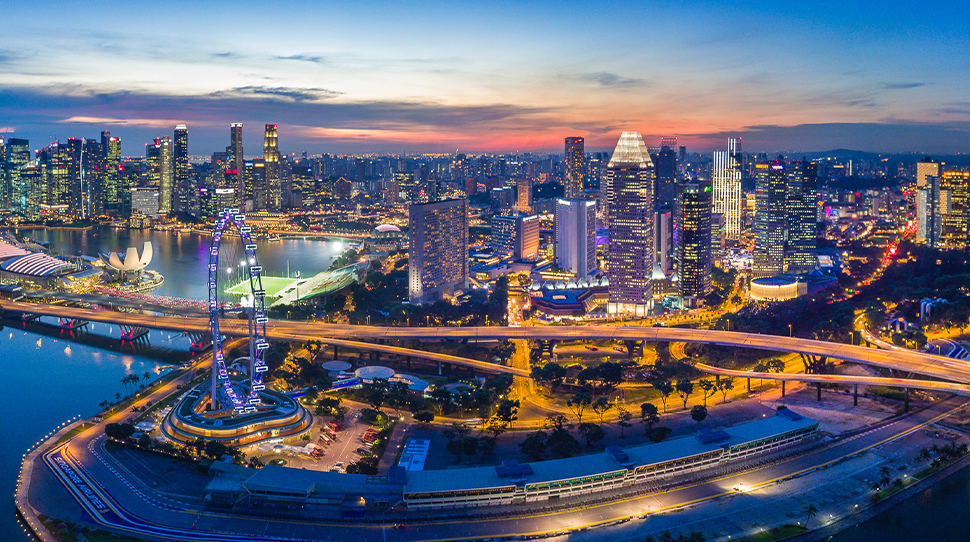
In Singapore’s varied neighborhoods, museums, restaurants and food halls, the diversity of the city-state’s population is front and center. Its 6 million residents include significant Chinese, Indian, Malay and European communities, and many locals have heritage that draws from multiple backgrounds. While English is widely spoken, it’s only one of the four official languages in this multilingual nation, which also include Mandarin, Malay and Tamil.
Want to learn more? Here’s a visitor’s guide to multicultural Singapore.
Understanding Peranakan Culture
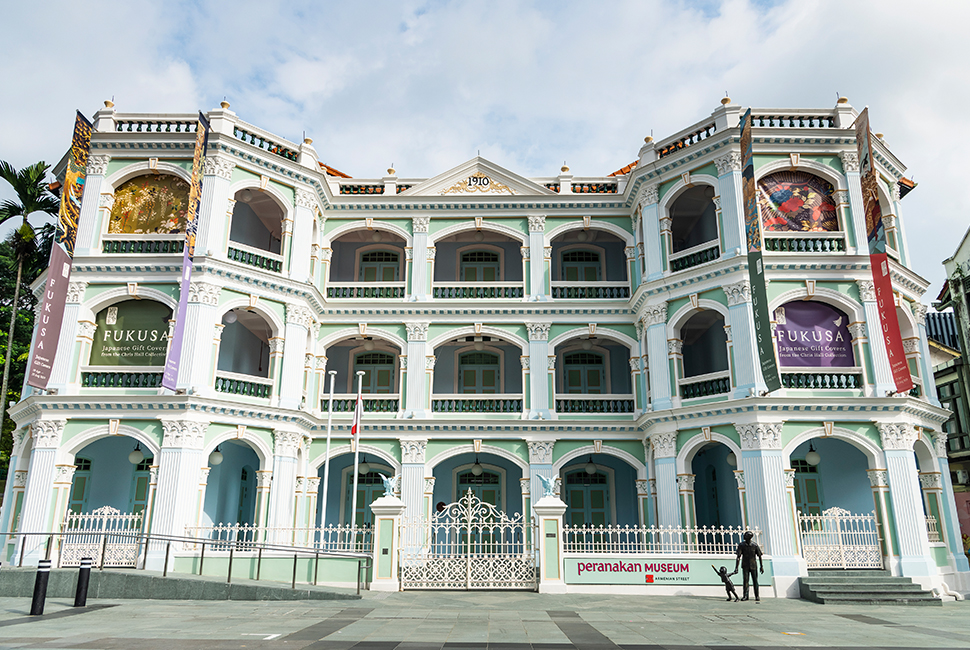
The term “Peranakan” refers to people of mixed heritage, whose Chinese, Indian, Arab, European or other backgrounds have merged with the traditional cultures of the Malay-Indonesian archipelago. Set in a 1912 former school building, the modern multimedia Peranakan Museum showcases these distinctive Singaporean cultural communities through photos, video and audio stories.
At the museum, you can glimpse into Chinese Peranakan family traditions, follow the migrations of Arab Peranakans and learn about the clothing of “Chetti Melakans” or Peranakan Indians. Watch the entertaining videos of Peranakan chefs to understand more about the foods that you might enjoy throughout Singapore.
Forbes Travel Guide Recommended Four Seasons Hotel Singapore offers two experiences that give you an insider’s look into Peranakan cultural traditions. The Intan Private Museum Tour and Tea Experience includes a visit to the Intan, a house museum devoted to Peranakan culture, where you’ll speak with the curator and take tea with a selection of Peranakan sweets. The Intan Private Museum Tour and Private Dining Experience adds a seven-course Nyonya meal, hosted by the curator, to your museum visit.
At the Five-Star Capella Singapore, on Sentosa Island, you can book another Peranakan cultural experience, including a private tour of a Straits Enclave Peranakan museum and a walk through the Katong district, known for its Peranakan food.
You can also find Peranakan food throughout the city. Book a table at Candlenut, which serves an upscale Peranakan menu, or try City PeraMakan for a more casual sampling of this diverse cuisine.
Snacking Through Singapore’s Chinatown
When Thomas Stamford Raffles of the British East India Company led the effort to claim Singapore for the British in the 1810s, he designated land south and west of the Singapore River for a Chinese district. Singapore already had a large Chinese community, and this area was divided into different sections for immigrants who came from different provinces, including the Cantonese, Hokkien and Teochew.
The legacy of this era is that you can find foods that originated in these various regions at Chinatown’s hawker centers — the ubiquitous local food halls. At the Chinatown Complex, Singapore’s largest, sample Teochew-style braised duck, claypot rice or Hokkien mee (noodles typically laden with shrimp or pork). The Maxwell and Amoy food centers offer dozens of other options.
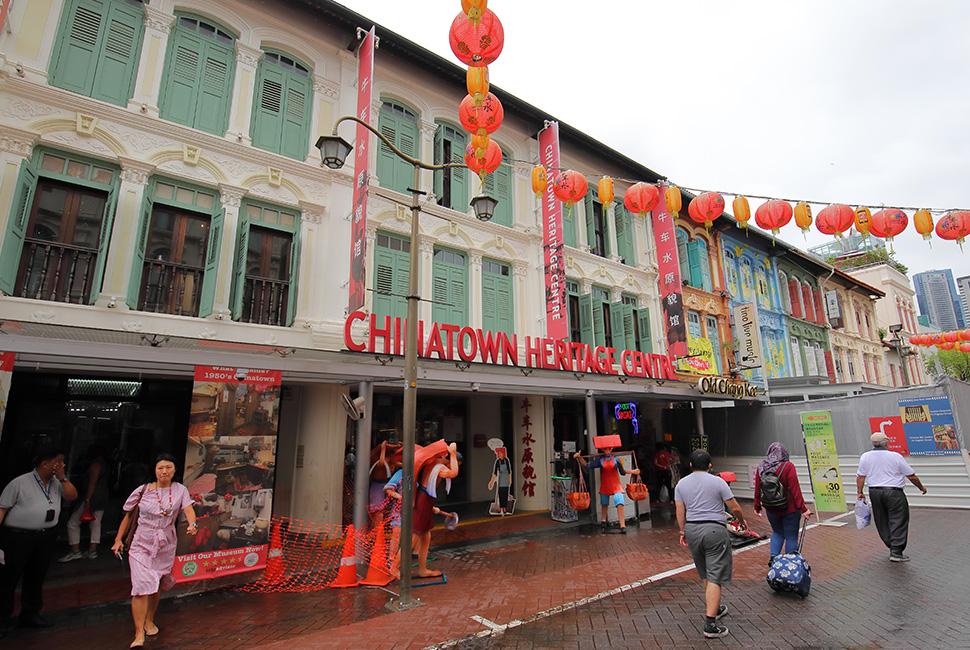
In between meals, visit the well-designed Chinatown Heritage Centre to learn more about the neighborhood’s history. Located in three restored “shophouses,” the museum tells the story of Chinatown and the people who lived and worked here, starting with its settlement in the 1800s and continuing with ways the district has evolved.
A Walk Through Indian Culture
Singapore’s South Asian residents have roots in India, Pakistan, Bangladesh, Sri Lanka and Nepal. Though they settled throughout the city in the 19th and 20th centuries, the neighborhood along Serangoon Road became the heart of the South Asian community, a dynamic district now called Little India.
The Indian Heritage Centre gives the best introduction to this community. Its permanent exhibit, “Indians in Singapore: Past & Present,” traces the connections between South Asia and Southeast Asia that date back centuries and details the migrations in the 19th and early 20th centuries that helped create this community in modern-day Singapore. The exhibit also highlights political and social movements throughout the 1900s and features notable individuals of South Asian heritage who’ve made their mark on the region.
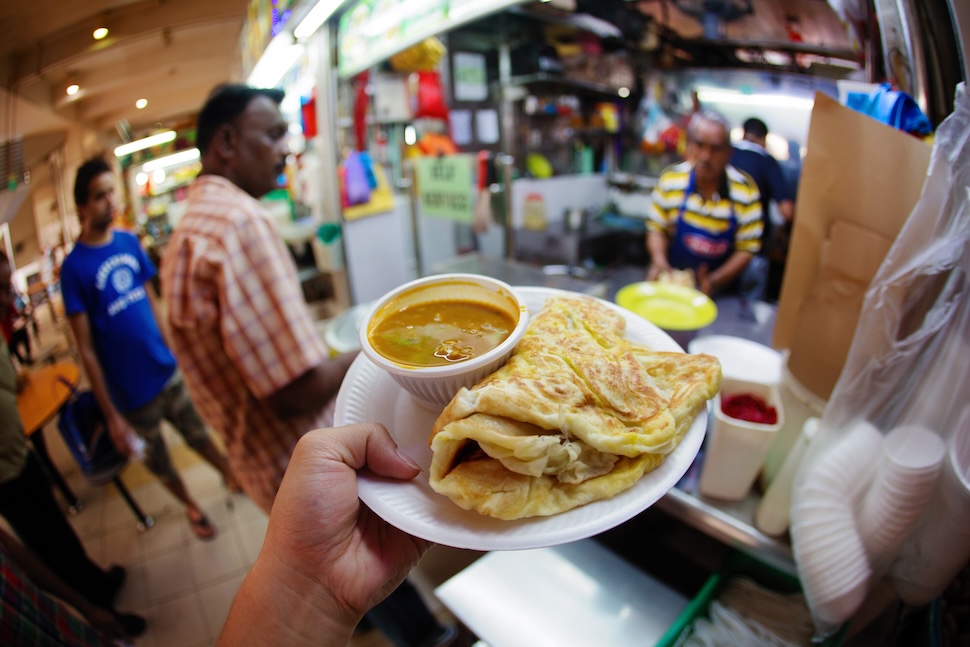
Plus, there are various authentic restaurants throughout Little India, as well as the large hawker Tekka Centre. Here, dig into all sorts of regional dishes, from tandoori chicken to prawn biryani to murtabak (a flaky flatbread stuffed with meat, chicken or even sardines). To refuel with a Singaporean kopi, strong robusta coffee with condensed milk, join the perpetual lineup at Generation Coffee Roasters, which prepares a fine brew.
More Cultural and Culinary Experiences
If you prefer a guided experience, the legendary Five-Star Raffles Hotel Singapore curates Insiders’ Singapore tours that take you through several of the city’s neighborhoods. Capella Singapore leads outings through an artistic lens on its A Walk on the Art Side tour. And Four Seasons Singapore provides the three-hour A Trip Down Memory Lane: Singapore’s Rich Cultural Heritage.
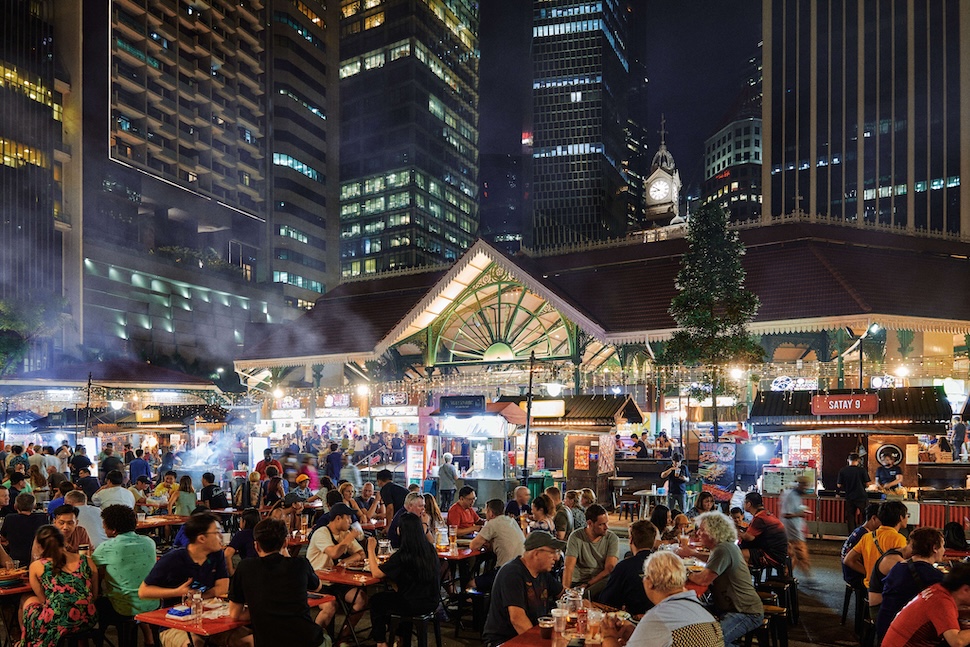
Visiting a hawker center, like the Tiong Bahru Food Centre, can be one of the most delectable places to sample the city’s diversity, from Hainanese chicken rice to pork rib noodles to shui kueh (steamed rice cakes topped with pickled turnips). You’ll find nasi lemak (a Malay rice dish), fishball soup, Cantonese-style roasted meats and much more. In the Central Business District, the Lau Pa Sat Hawker Centre is another epicurean encounter. Nightly, the road outside the food hall is transformed into “Satay Street,” with vendor after vendor offering their take on the savory grilled meat.
Of course, Singapore has no shortage of more refined dining experiences. At Jiang-Nan Chun, the traditional Chinese restaurant at the Four Seasons, treat yourself to a classic Cantonese banquet, a multi-course tasting menu that might include delicacies like abalone, freshly steamed lobster and Peking duck, carved tableside.
Top off your evening with a nightcap at the hotel’s One-Ninety Bar, where the creative cocktails on the “Polaroids of Singapore” menu draw inspiration from the country’s Chinese, Malay, Indian and European heritages — highlighting the city’s cultural mélange even in its drinks.
