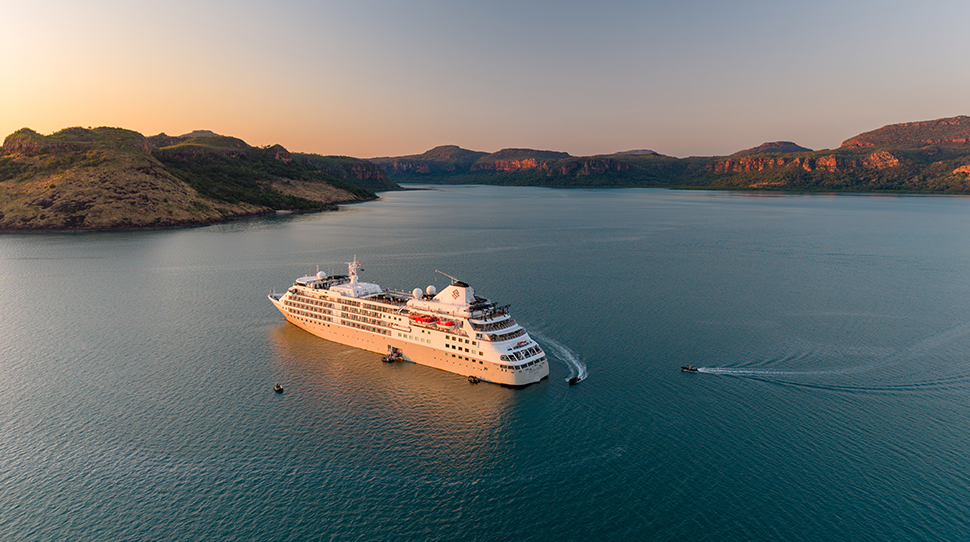
The walkie crackled to life mere minutes after we’d traipsed across a quarter mile of spongy, waterlogged Swift Bay sand. We had hopped, often unsuccessfully, across temporary streams created by that morning’s tidal ebb, all to learn about the secret lives of mangroves from one of Silversea Silver Cloud’s resident naturalists.
“Start to wrap it up,” said the calm voice of our expedition leader, Marieke Egan, a former Dutch speed skater, during my July voyage with Silversea around the Kimberly, a remote region in Western Australia. This part of the country is three times the size of England and has some of the largest tides in the world, with shifts up to 36 feet.
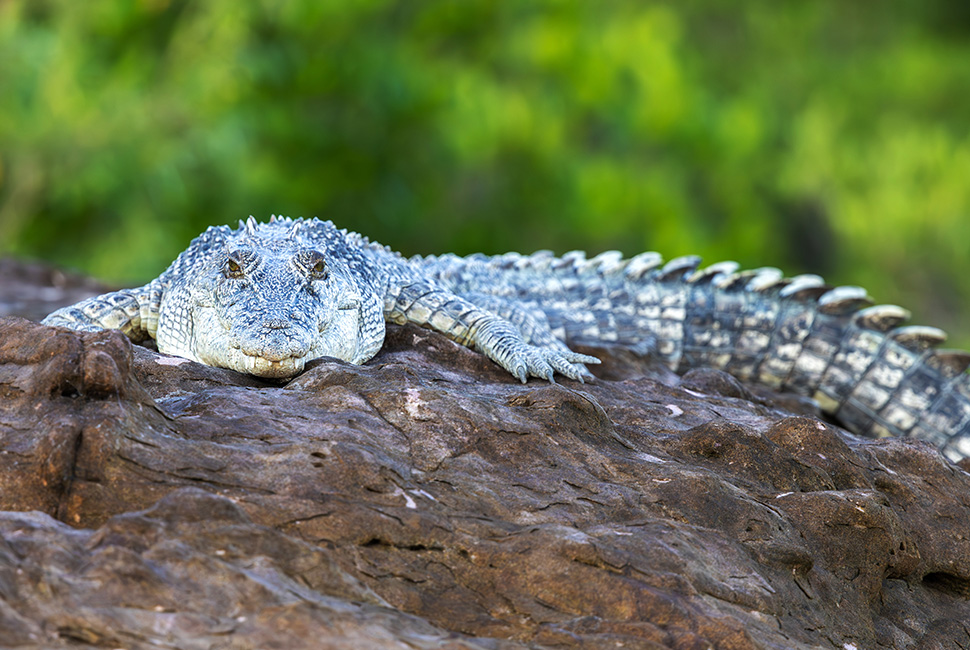
“The tide’s coming in sooner and faster than we expected,” she continued. “And keep people away from the edge. The croc went in the water. We no longer have eyes on him.”
It’s not exactly what you want to hear about a deadly predator that can strike in seconds — especially when your route back to the waiting Zodiacs is disappearing at a steady clip.
It wasn’t lost on me that the blue-spotted ray trapped in a largepool was now gone, that the seabirds had relocated to higher ground atop the red sandstone cliffs or that the guides, on beach or boat alike, were swiveling their heads, scanning the filling bay for signs of the “saltie,” or saltwater crocodile, that had been sunning itself a couple of coves over.
I tried to remember every factoid I’d heard about the world’s largest living reptile during the daily on-board lectures or while floating around Porosus Creek, where we’d come face-to-face with the beasts a few days earlier, as if those details might save me should one surface at my feet.
But within the hour, thanks to the 24-person expedition team and the rest of the competent crew, all 234 passengers were safely on board. Many of us dove into revenge plates of crocodile curry at The Grill’s alfresco spread, made plans to meet up at evening karaoke and chalked up the truncated adventure to just another day on a Kimberley cruise.
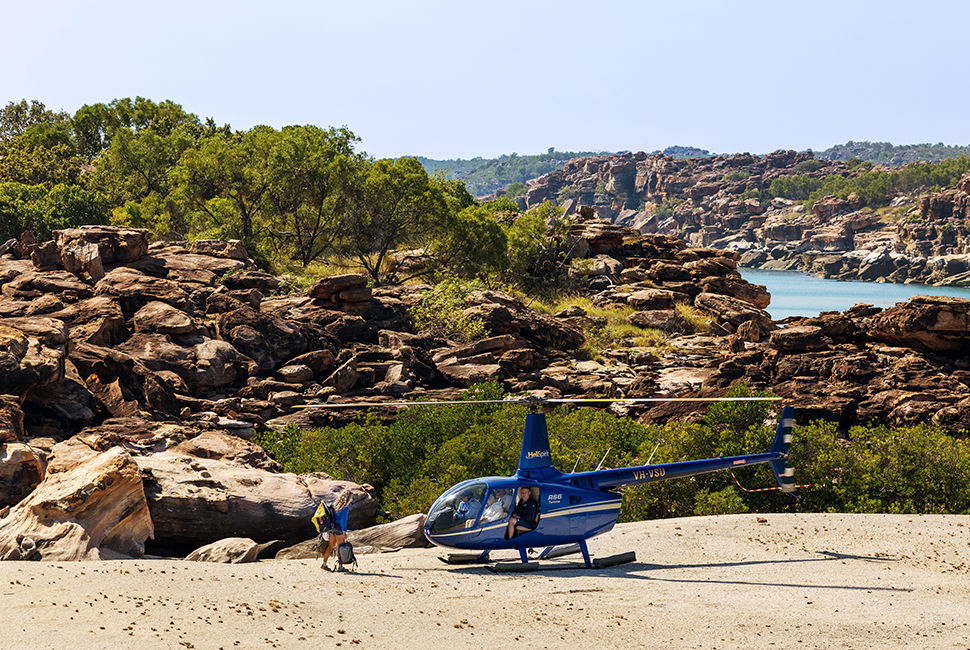
After all, this was already the second half of the 10-day expedition between Broome and Darwin. We knew the drill and had eagerly accepted the terms. We’d been warned repeatedly that Mother Nature sets the schedule around these parts. And because she is a mercurial mistress and wildlife is, well, wildly unpredictable, there was always the possibility of altered courses, shortened landings, weather delays and canceled excursions.
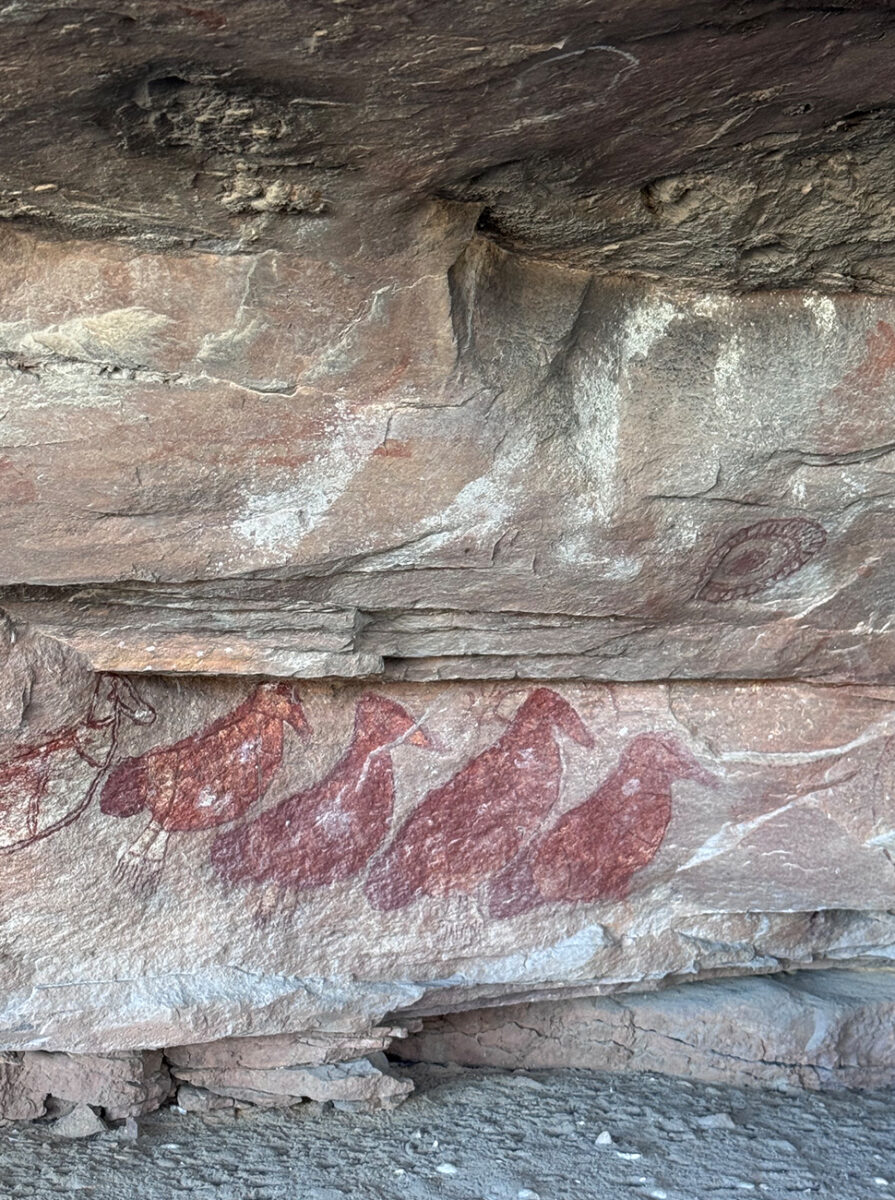
We’d been told that real danger lurked below the surface, which is why swimming was forbidden even on Jar Island, with its shell-studded beach and inviting, crystal-clear water. Danger could also be slithering around the bend of a steep hiking trail or hiding in the cracks beside the centuries-old Wandjina or Gwion Gwion rock art. It could even be flying overhead. A few of us learned that lesson the hard way when some brown boobies used us for target practice while we snorkeled far offshore in the Indian Ocean among the healthy corals of Ashmore Reef Marine Park. Because we were roughly 200 miles away from the croc-infested mainland, we had thought it was finally safe to go back in the water.
Even the elements were vigilant in their pursuit. Wind knocked off more than a few Silversea baseball hats, choppy waters mercilessly bounced Zodiac riders toward next-day soreness and the sun glowed hot and strong even though it was midwinter in Australia. We were grateful for the stash of sunscreen in the staging area, reusable water bottles (yours to keep, as were the handy backpacks) and chilled scented towels and refreshments handed out each time we returned to the ship.
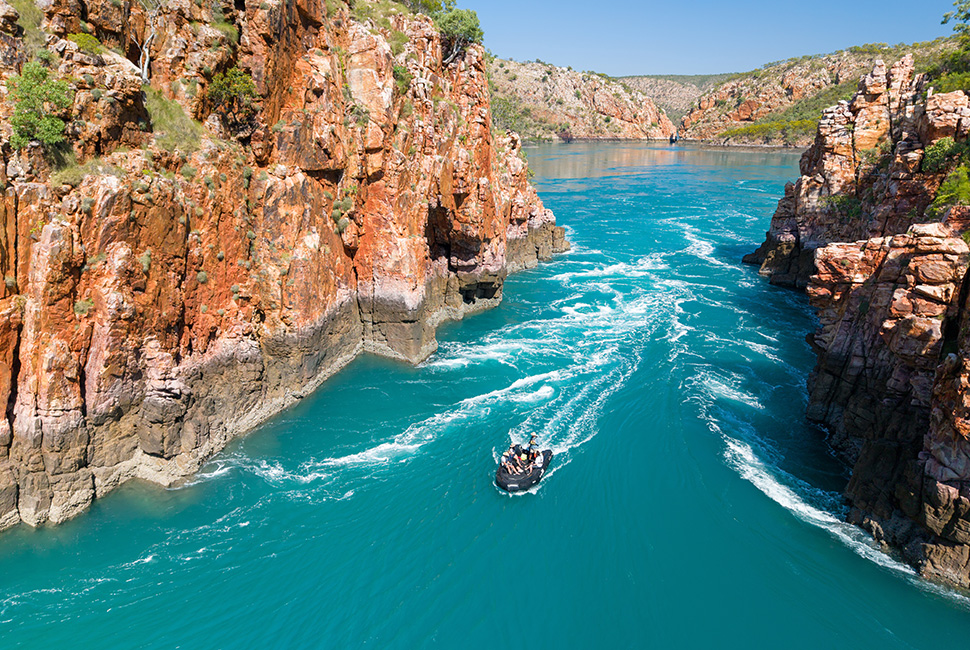
That pinch of peril made everything more exciting. Seeing the rare phenomenon of Horizontal Falls was great. But getting so close that I could feel the inflatable boat being sucked in by the aggressive churn? Thrilling.
In fact, these adventures — coupled with a with a week spent in our floating home’s intimate confines without even seeing so much as a small village — bonded the passengers. We were all there to escape the noise of modern life and gaze upon skittish wallabies, snubfin dolphins (unique to this part of the world), sea eagle nests and the pink blobs of jellyfish that dotted the King George River.
We navigated toward a natural shower courtesy of the Oomari — cascading twin falls believed to be the sacred male and female rainbow serpents by the Indigenous Balanggarra.
We shared stories and photos of brahminy kites diving for fish and ugly-cute mudskippers sliming up the banks of the Hunter River while taking in the fiery sunsets topside.
We felt small together as we peered up at the colossal gorge walls carved by 1.8 billion years of erosion and hugged bulky boab trees for luck. We shared the privilege of being welcomed to country by an Aboriginal man whose ancestors had long been custodians of this land. He told us traditional Dreamtime stories about how the Kimberley was created, marked our cheeks with clay and cleansed us with smoke to ensure his ancestors’ spirits didn’t hitch a ride back. Every day ended in the best kind of exhaustion.
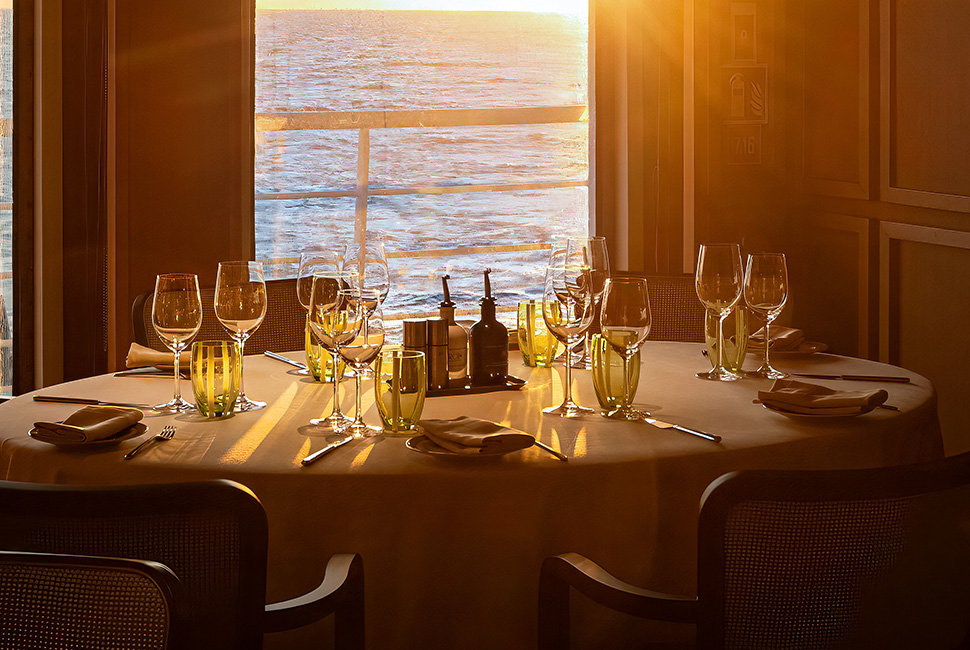
That’s not to imply that we were roughing it while exploring this rugged paradise. Quite the contrary, Silver Cloud boasts many of the same amenities as a classic luxury cruise ship — butler service, a welcome bottle of bubbles, 24-hour room service, a pool and whirlpool, stocked minibars and a professional photographer offering workshops and portrait sessions. There is afternoon tea and multiple bars and restaurants, and only the French fine-dining La Dame came with an added cost. The steam room and sauna could be utilized without booking a spa treatment, but you should consider a seaweed detox to nurse dry, sun-stressed skin.
Eighty percent of the suites have verandas; my Grand Suite spoiled me with two. The sprawling sanctuary also featured a deep bathtub, free movies on multiple flat-screen TVs and the latest-model Dyson hair dryer. Complimentary laundry and pressing were particularly key on the night we had to go from perspiring post-hike messes to presentable in less than an hour for a dinner of open-faced pumpkin ravioli and my nightly indulgence, housemade lemon sorbet, with Captain Sasha.
Silversea’s true secret weapon, however, was the hospitality. Not only did everyone greet us by name, but servers remembered little details — how you took your coffee or eggs at breakfast, whether we liked to sit outside and whether we preferred the chair without arms. The butler left handwritten notes, wipes to clean our glasses, towel animals and, most importantly, peanut M&Ms after I made a passing comment about craving candy. And all of that was after he and the attendant fluffed our pillows, filled our water bottles for the next day and lined up our shoes, laces tied.
It seemed indulgent at the time, but after returning home to a life devoid of saltwater crocodiles, I missed the pampering almost as much as the vivid sunsets and the heart-racing wildlife encounters.
