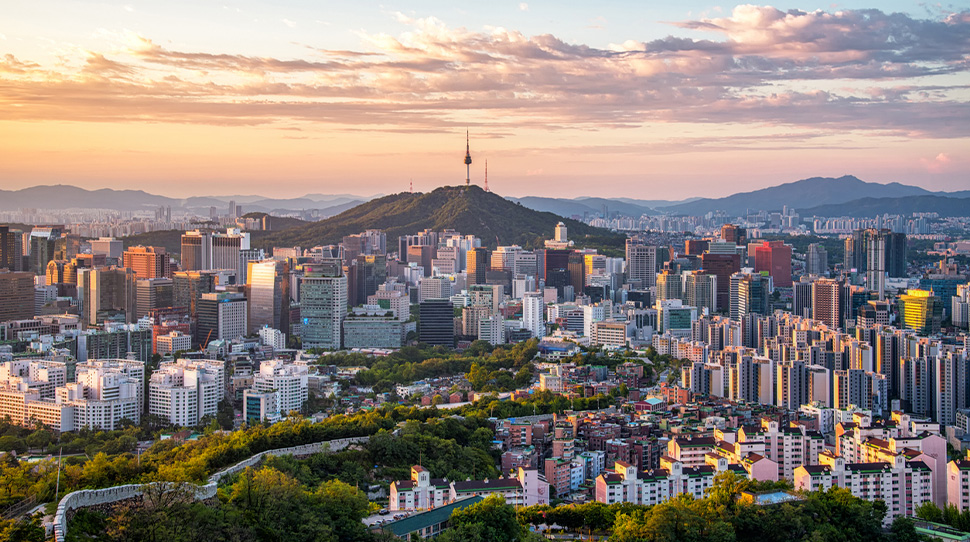
The global fascination with K-pop, K-dramas and K-beauty has done more than dominate charts, TVs and skincare routines — it has transformed Seoul into one of the world’s hottest destinations.
Building on the 13.14 million tourists who visited in 2024, the Seoul Metropolitan Government is leveraging the cultural momentum with hopes of drawing 30 million visitors by 2030.
“Many people initially visit because of K-pop, K-dramas or K-beauty, but they leave having discovered something much deeper: Korea’s history, culture, people and the remarkable energy that defines the country,” says Blair Hong, founder and CEO of Travel Different, a Seoul-based luxury travel design firm.
K-Hospitality
Another K hyphenate to add to the growing list is K-hospitality. Korean hospitality is rooted in the concept of jeong, which Hong defines as wanting others to feel welcome and included, but not out of a sense of obligation. “It is the desire to share something meaningful with another person: a favorite restaurant, a family recipe, a hidden neighborhood, a story or a tradition,” she says. “At its best, hospitality is an act of generosity rather than a transaction.”
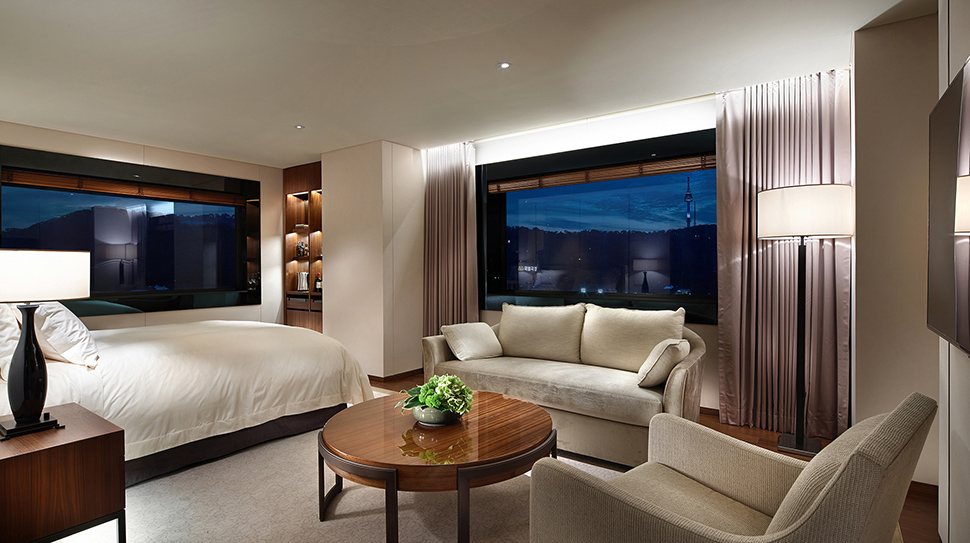
One of the best places to experience jeong is The Shilla Seoul. When I arrived at the Forbes Travel Guide Five-Star hotel after a six-hour flight delay, the team adjusted, ushering me through a warm but quick check-in. Knowing I had to be up in the morning for the Connections Luxury Seoul conference, a front desk staff member walked me to my room, already primed for sleep with drapes drawn and the bed turned down. He covered the essentials and left information on the hotel’s breakfast and other offerings for when I wasn’t so bleary-eyed.
The Shilla embodies classic Korean luxury, with spacious, contemporary rooms with neutrals and blond wood. And it piles on the amenities: a top-floor Executive Lounge overlooking Namsan Mountain, an outdoor pool “Urban Island,” a Clé de Peau Beauté Spa and a hotel bar ranked among the world’s best.
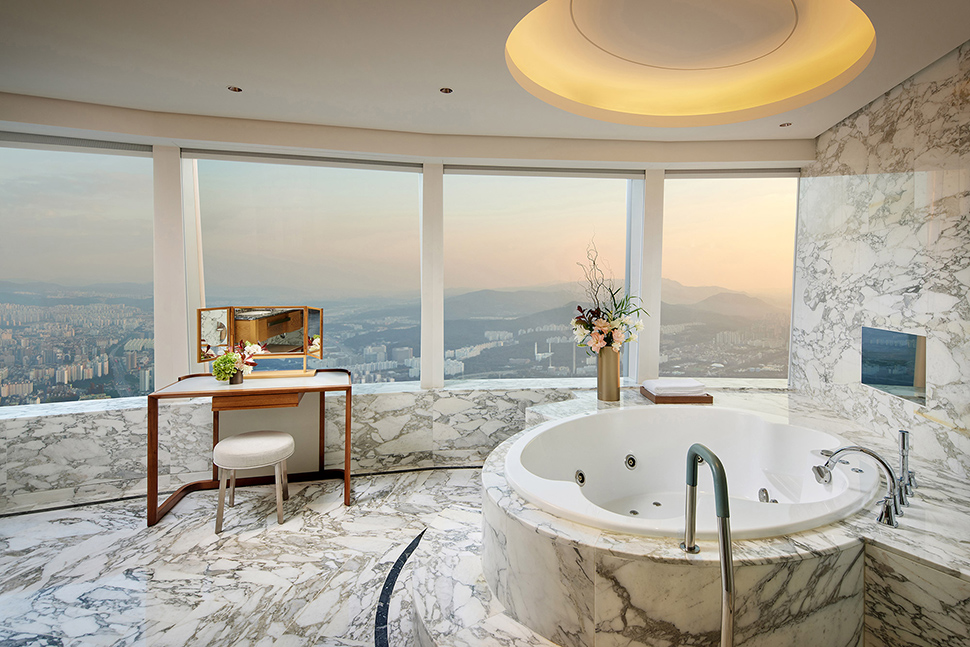
Signiel Seoul takes a different approach. The Four-Star hotel resides in the 129-story Lotte World Tower, the tallest skyscraper in South Korea. The city’s best views are available throughout the hotel, whether taking a dip in the 85th-floor indoor pool or enjoying a flute from the country’s largest champagne collection in the sultry 81st-floor bar.
The décor of the suites will wrest your eyes from the skyline. Most feature hand-painted cherry blossom murals above the bed, a nod to the seasonal pink-hued flowers that bloom around Seokchon Lake just outside. The Korean Suite adds traditional touches, including sliding doors, heated ondol floors and cypress wood bathrooms. And you can still view the skyline throughout, including from the marble bathroom’s tub sitting flush against floor-to-ceiling windows.
For a stay that exists nowhere but Korea, try a hanok, or traditional house. Nostalgia is a hotel in Bukchon Hanok Village, a residential area where sloping clay-tile-roofed hanoks line narrow alleyways. Only a few of these neighborhoods survive, and this one draws such crowds, the city has to bar tourists from its core streets in the evening. But Nostalgia guests can roam freely, albeit quietly.
The hanoks maintain their history without giving up contemporary luxuries. The spacious Blue Jae hanok has maroon wood doors carved by artisans 80 years ago, a patterned ceiling that recalls the designs of Korean temples and palaces, and paintings made by the home’s original owner. It also comes with a standalone oval tub, two bedrooms, a kitchen and a tranquil courtyard.
K-Attractions
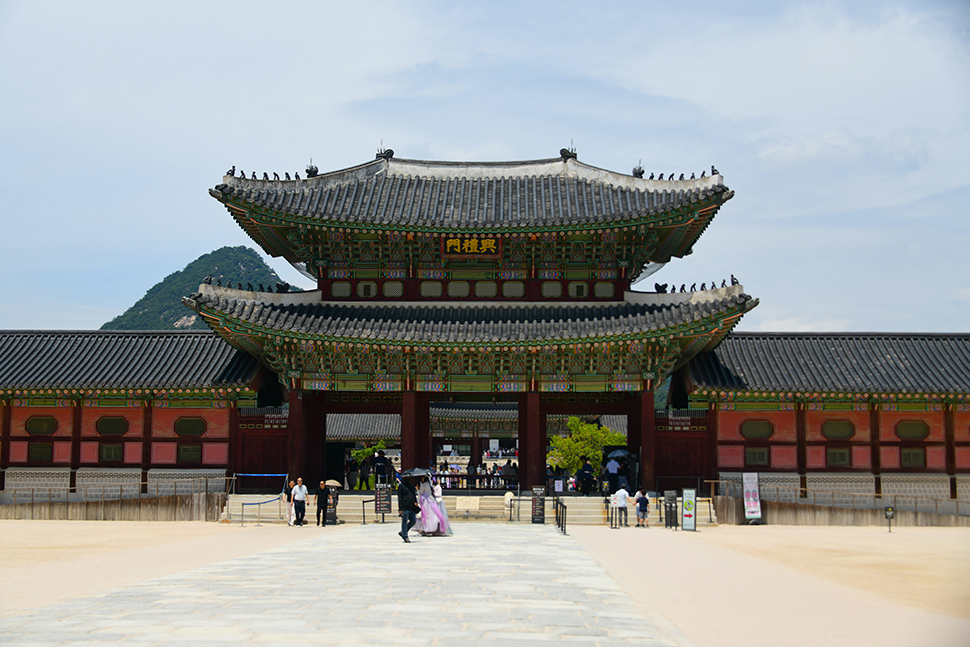
That balance of past and present is found throughout Seoul. For a glimpse into Korea’s history, start with a visit to Gyeongbokgung Palace. Built in 1395, it was the main palace of the Joseon dynasty (which ran from 1392 to 1910). Many kings were crowned here, and it’s also where the Korean alphabet was created. The expansive grounds include the colorful Gyeonghoeru Pavilion, a site for grand parties that sits on a pond and features tiles with zodiac animal shapes.
For Seoul’s modern side, head to Gangnam’s Apgujeong district. There you’ll find Haus Dosan, which is easy to mistake for an experimental art gallery before you realize it’s a boutique for Gentle Monster, the haute Korean eyewear brand. After wandering past the animatronic installations, descend to Nudake in the basement for a pick-me-up. The café’s offerings are as avant-garde as the art — the sweet Peak Green Tea Latte comes streaked with black and topped with a black marbled foam, and a tiny bag holds plain and black micro croissants each the size of a nickel.
K-Medical and K-Beauty
K-medical tourism is booming. According to the Ministry of Health and Welfare and the Korea Health Industry Development Institute, the country drew more than 2 million foreign patients in 2025, a record high and a 72% surge over 2024.
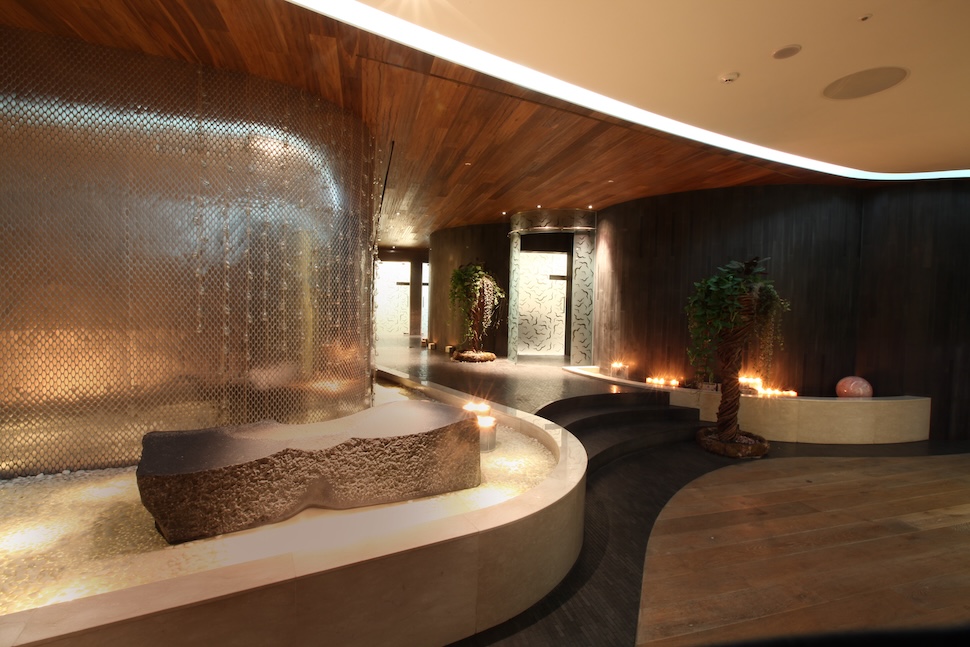
A key destination is Chaum, an upscale clinic and anti-aging center. Part of Cha Health Systems — established in 1960, it operates in seven countries, including the United States — Chaum blends Eastern, Western and alternative medicine. Offerings range from comprehensive health checkups with whole-body MRIs to cutting-edge stem cell therapy (former NFL star Terrell Owens sought this care for a knee injury).
I opted for K-beauty with a facial at the clinic’s spa, which provides more than 70 services. My session began with a high-tech skin consultation: after resting my chin in an AI-powered Meitu device, it generated a 3D model of my face that a doctor — like all the staff I met, she was fluent in English — pointed at as she discussed my results on an iPad. The floating 3D scans looked almost supernatural, but the level of precision was impressive. The doctor broke down my pore size, hyperpigmentation, wrinkles and skin age (happily, four years under my actual age). Then she gave me a customized treatment plan. The facial itself was so relaxing, I was asleep before it was over.
K-Cuisine
Get a taste of Seoul at Gwangjang Market. Opened in 1905, the country’s oldest street food market is packed with stalls selling everything from traditional dishes like soy-marinated crab to fare made for social media, like ice cream pops in a marshmallow shell, singed with a torch that looks like a fire-breathing dinosaur.
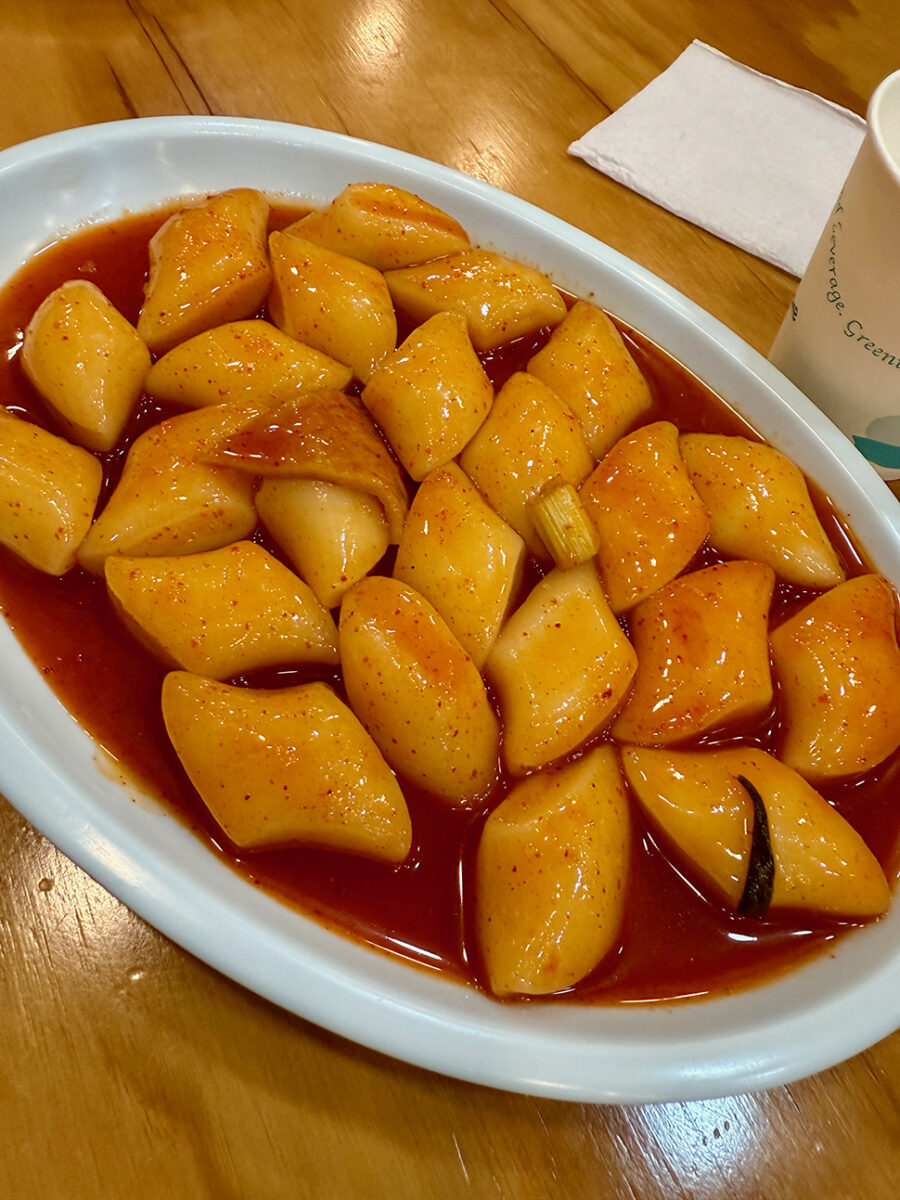
Escape the crowds by dining at the market’s multi-story Park’s Bindae Ddeok. The restaurant is rightly known for its mung bean pancakes — thick, nutty discs fried golden. Also order tteokbokki, the spicy-sweet, chewy rice cakes that are a Korean comfort food. And if you have a daring palate, try the live octopus, whose tentacles get chopped into pieces that wriggle on your plate.
Elsewhere in the city, sample the country’s famed barbecue at Two Bull, where you can savor succulent hanwoo beef grilled; in a unique tartare with pear, garlic chives, egg yolk and mayonnaise; or with brisket pieces flecked in fried rice. Tip: order the fluffy egg souffle with soy sauce, a popular side.
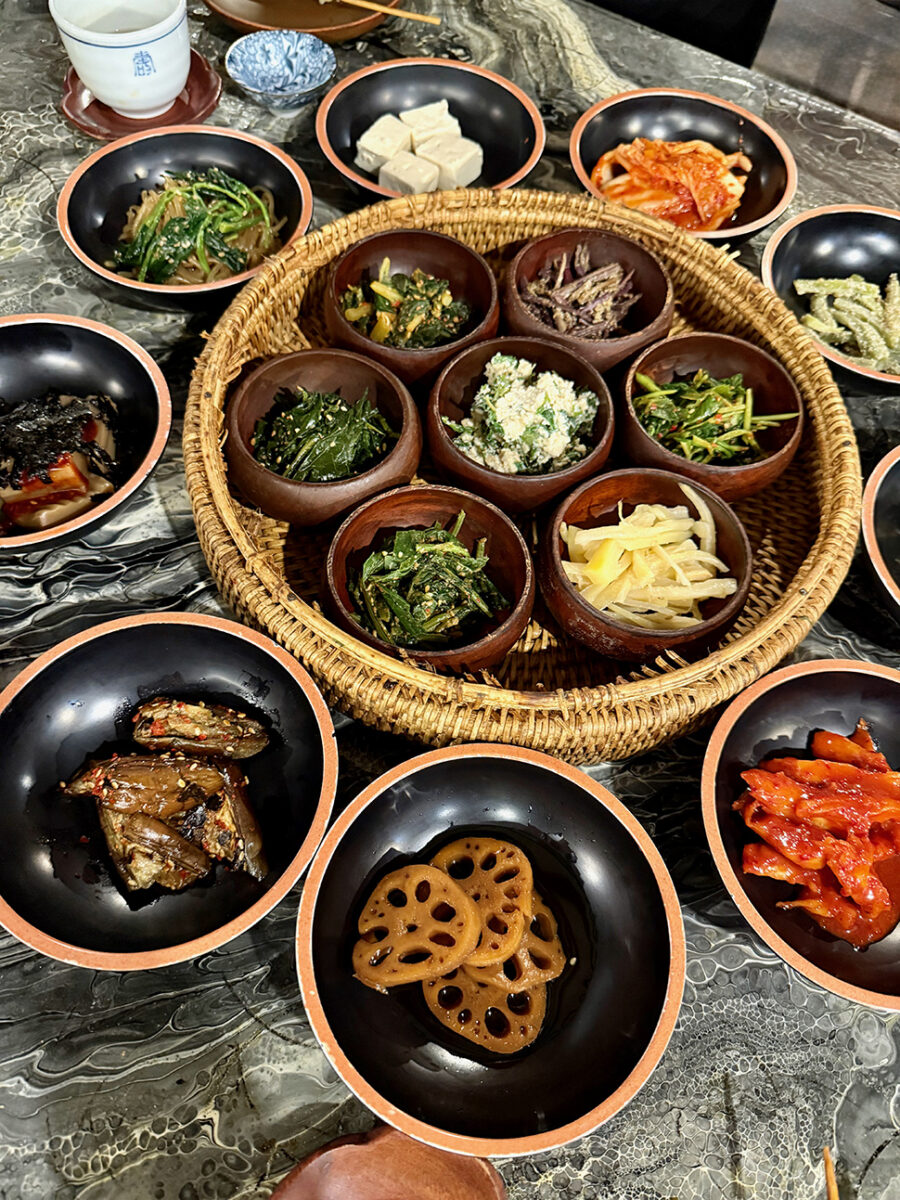
Or veer the other direction toward Korea’s temple cuisine, seasonal plant-based cooking Buddhist monks created after foraging in the mountains. At Sanchon in Insadong, the set menu offers a spread of seven wild vegetables and nine banchan (side dishes) that fills the table. The vegan-friendly dishes shift with the season — our meal included tofu, kimchi and lotus root with citron syrup accompanied by cool, sweet pine needle tea.
It’s this blend of ancestral craft and ultramodern comforts that make the city so exciting. Hong says, “Creativity in Korea is shaping architecture, fashion, design, craft, gastronomy and hospitality, creating a distinctive cultural ecosystem that feels uniquely Seoul.”
But what stays with you is jeong — the feeling that you were never a customer here but a guest.
