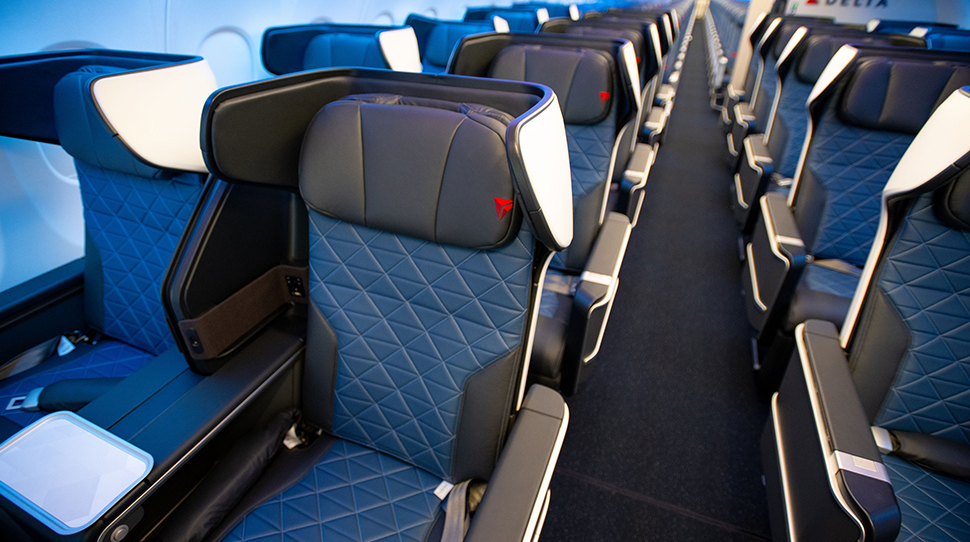
The low-cost airline, at least the version Americans had gotten used to, is disappearing. That model was a plane with one cabin and no frills. But in recent years, the math stopped working. Cheap seats don’t make much money, and the ones up front do. Travelers have kept proving they’ll pay to be more comfortable. Spirit Airlines figured that out too late and folded in May.
For that reason, first class in the U.S. is physically expanding to meet the demand. Even airlines that never had first class, or a premium airport lounge for that matter, are building them. A growing list includes JetBlue, Allegiant and — potentially soon — Southwest Airlines.
In July, JetBlue confirmed it will launch a domestic first-class seat later this year. It will be called BlueFirst, a two-by-two recliner going on aircrafts that don’t already have Mint, the lie-flat product the airline flies to Europe, across the country and to a handful of Caribbean and Latin American destinations.
For a carrier that spent its first 14 years selling only one cabin and built a brand on the premise that coach could be good enough, it’s a major reversal. JetBlue is also introducing airport lounges, dubbed BlueHouse, with one already open at New York’s JFK and a second planned for Boston Logan.
Around the same time as JetBlue’s announcement, ultra-low-cost carrier Allegiant revealed plans for a first class of its own, with eight seats at the front of the cabin. Tickets go on sale this month, with flights starting in spring 2027.
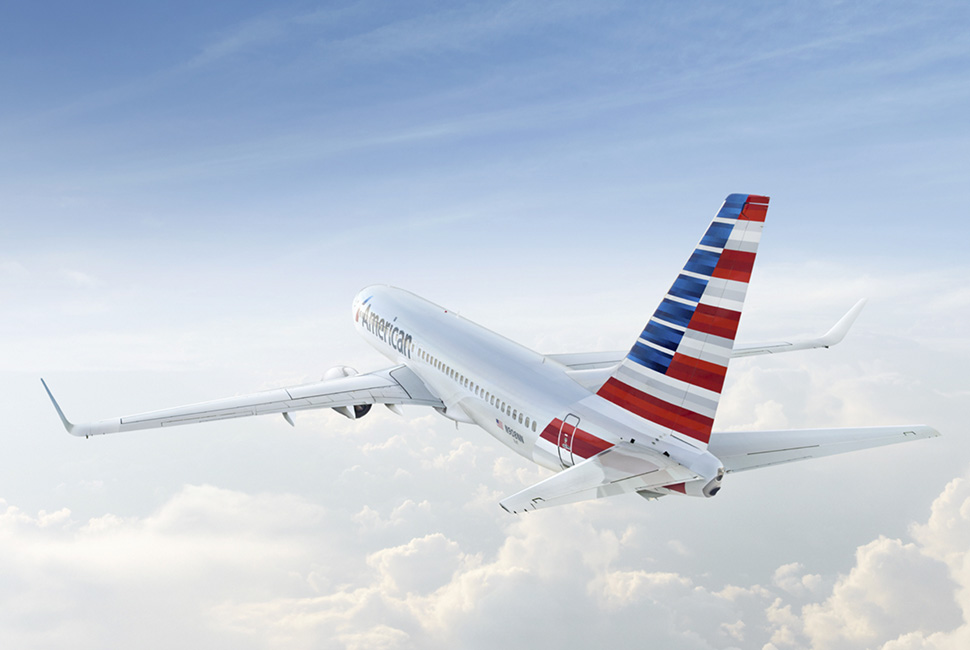
Allegiant’s first-class seats are also arranged two-by-two, with 37 inches of pitch (the distance between a specific point on a seat and the same point on the seat in front or behind it), five inches of recline, calf rests and a checked bag included. The airline also began handing out free soft drinks to all passengers, a philosophical shift for a carrier built on nickel and diming for everything.
Southwest Airlines, meanwhile, is starting its own premium push on the ground. On an earnings call in July, CEO Bob Jordan said lounges are coming, without saying when. “I know I’ve teased the lounges,” he said. “There’s work underway.”
All the major legacy airlines are now all in on going upmarket. The last holdout was American Airlines. This month, the Fort Worth-based carrier said it will add significantly more premium seats, namely domestic first-class and extra-legroom economy.
Today, roughly 25% of the seats the airline flies on its narrowbody planes are premium. American wants that closer to 40%, though it will take several years.
American is also reversing course on seatback screens. The airline spent the past decade stripping seatback entertainment out of its single-aisle planes, a bet that passengers would rather watch programs on their own devices. Now it says it will install the latest screens at every seat across that fleet.
In a press release, Heather Garboden, American’s chief customer officer, called it, “one of the most significant investments in the onboard experience in our airline’s history.”
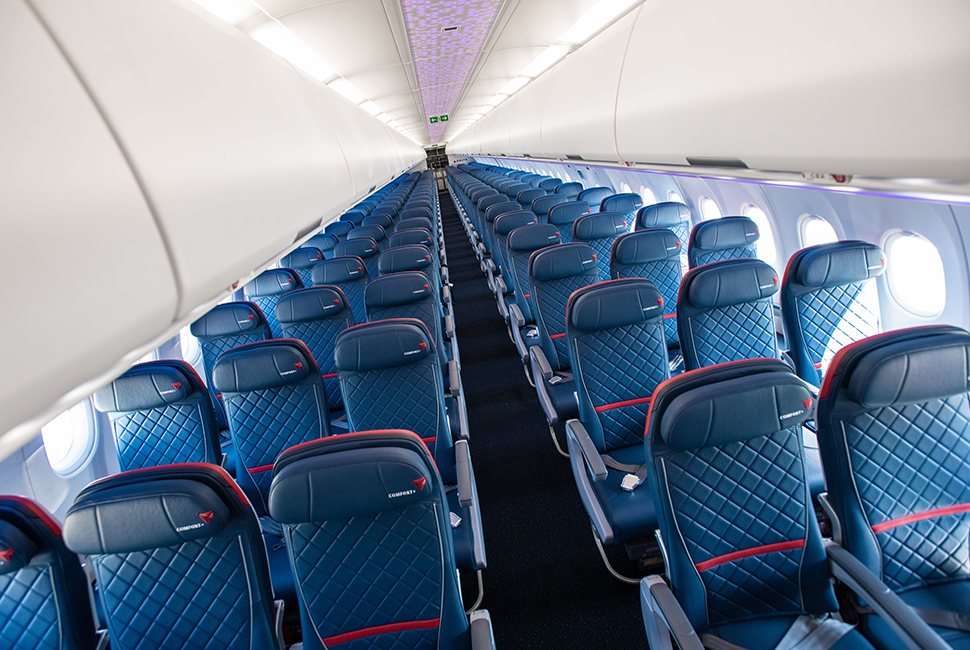
All of this traces to a shift that started after the pandemic and never reversed. Travelers care more about premium than ever before, and no U.S. carrier has leaned into the shift harder than Delta Air Lines.
“The entire experience is premium,” Ranjan Goswami, Delta’s chief marketing and product officer, said. “Sure, people hear about Delta One because it’s the flagship of the experience, but we’ve really invested across the board, and the data tells us we actually have leadership in every one of these cabins.”
The numbers back him up. In the June quarter, Delta’s premium revenue grew 17% year over year, compared with 8% in the main cabin. Premium ticket revenue first outearned the main cabin in late 2025, and the gap has been widening since.
For travelers willing to buy up, and for business travelers whose companies pay for it, more first class is welcome news. There will be more premium seats, on more airlines, on routes that never had them.
There may even be a few additional upgrades to go around, though carriers have gotten much better at selling those seats to someone before handing them to a status holder for free.
However, airlines are not adding first-class rows out of thin air; those rows typically come out of coach. And fewer economy seats do not bode well for economy airfare, which is what most travelers buy.
