Spain’s beauty extends far beyond the famous cities and crowded beaches that dominate most vacation itineraries. From ancient bridges carved into the cliffside to volcanic islands that look like Mars, this diverse country rewards travelers who venture off the well-trodden paths.
Stretching from the Cantabrian peaks in the north to the desert landscapes of Andalusia, Spain offers landscapes and experiences that will leave you breathless. You’ll find everything from remote mountain villages to Atlantic islands where visitor numbers are capped per day.
Here are some of the most beautiful places in Spain to inspire your next trip.
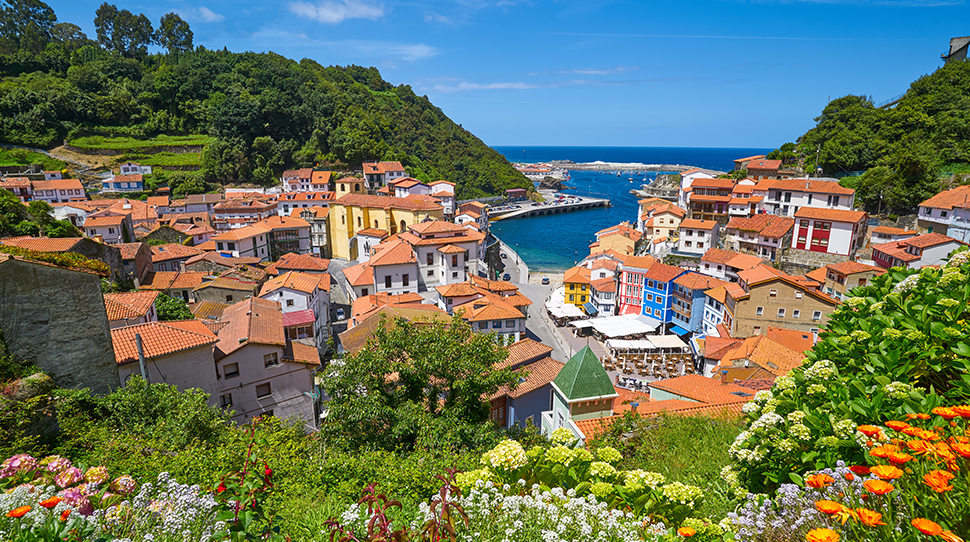
Cudillero, Asturias
This colorful fishing village spills down the cliffside in houses painted bright blue, yellow and red. Traditional fishing boats still operate from the tiny harbor, while narrow cobbled streets twist between flower-filled balconies that preserve the village’s traditional charm. Take a walking tour through its backstreets and enjoy the view from the top.
The surrounding Green Coast stretches for miles with cliffs, tucked-away beaches reachable only by foot, and coastal meadows where cattle graze within sight of the Cantabrian Sea. Time your visit to coincide with lunch or dinner, when the harbor comes alive with waterfront restaurants setting up, and dine at Restaurante El Faro, Los Arcos or Casa Julio for the day’s catch.
Ronda, Andalusia
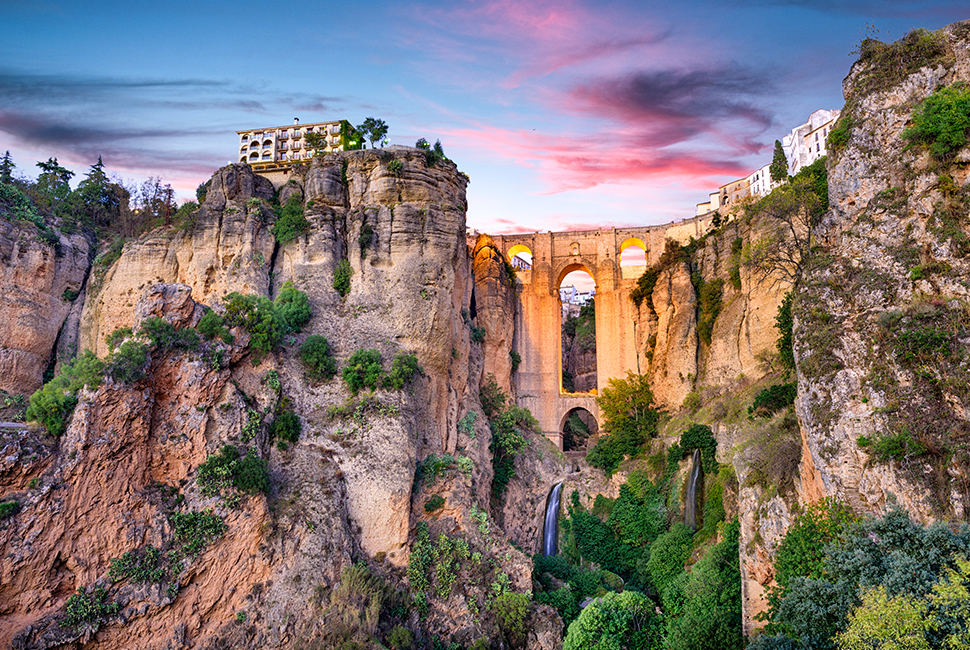
Perched above the 390-foot-deep El Tajo gorge, Ronda is a mountaintop city in Málaga. The 18th-century Puente Nuevo bridge connects the historic Moorish old town with the newer quarter, El Mercadillo, its 320-foot stone arches seeming to grow from the cliff face itself.
Views from the bridge span endless Andalusian countryside, while the gorge was carved by the Guadalevín River over millennia. Visitors can descend the steep walking trail into the deep valley for photos of the bridge towering overhead.
Cadaqués, Costa Brava
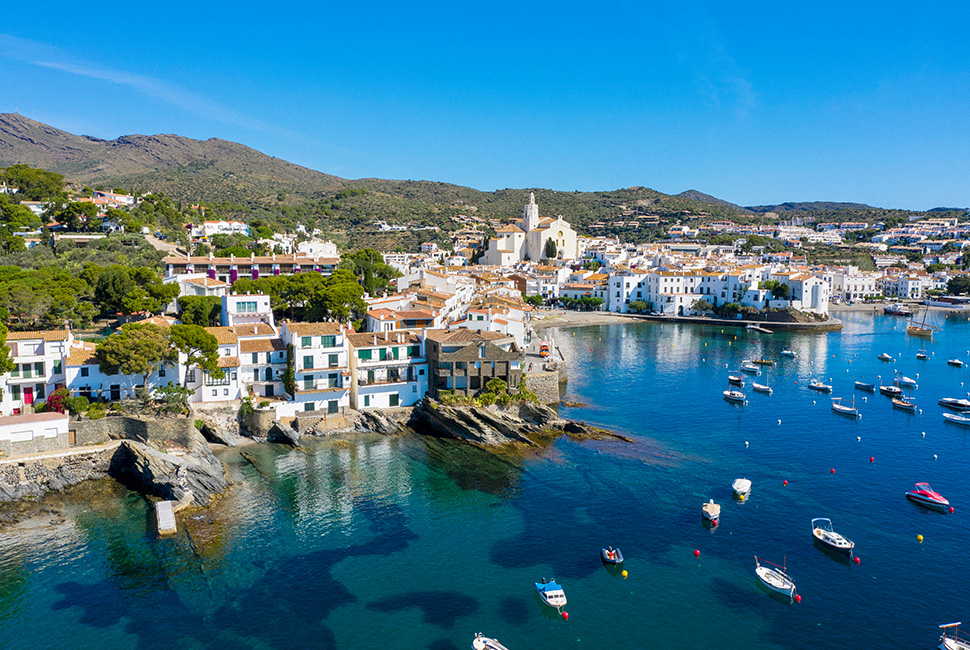
Idyllic Cadaqués sits at the end of a mountain road with 120 hairpin turns — a journey that kept this whitewashed fishing village isolated for centuries. Salvador Dalí spent childhood summers here and later made it his home, transforming fishermen’s huts at nearby Port Lligat into his surreal house-museum. Visitors will notice a plaque in town stating that Picasso also lived here, as it is said the famous Spanish artist spent a summer in Cadaqués while working on his Cubist works.
The village population of 2,750 swells to 10 times that in summer yet retains its timeless charm. Cozy plazas house family-run restaurants like Casa Nun, and the streets are lined with galleries and clothing boutiques. Hidden coves around Cap de Creus Natural Park offer swimming spots accessible only by winding coastal paths.
Picos de Europa, Asturias
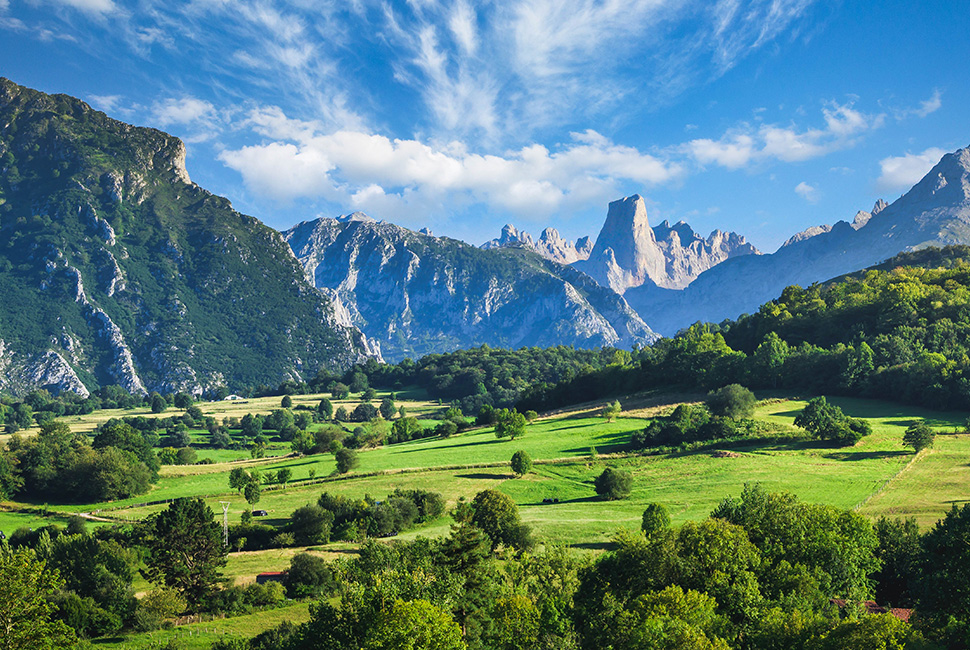
Rising close to nine miles from the sea, these limestone peaks reach over 8,500 feet, creating one of Europe’s most vertical landscapes. The famous Cares Gorge trail follows narrow ledges carved into cliffsides, providing spectacular vistas. Below, the river cuts through rock hundreds of feet down, while above, jagged peaks catch the light.
Take the Fuente Dé cable car to nearly 6,100 feet for easy access to high-altitude hiking trails or tackle the full 7.5-mile Cares Gorge walk that connects Poncebos to Caín Village.
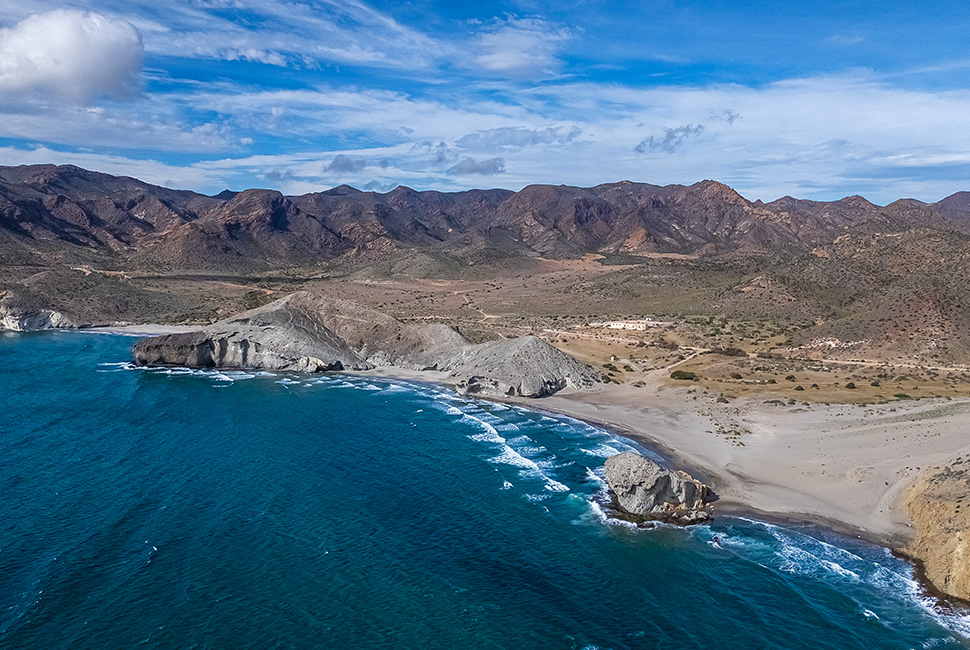
Cabo de Gata Natural Park, Andalusia
Europe’s only hot desert unfolds across 170 square miles of volcanic coastline, where beaches lie tucked between black lava cliffs. Los Genoveses stretches three quarters of a mile of dark golden sand with not a single building in sight, while Monsul Beach — famous for its appearance in an Indiana Jones film — showcases sculpted rock formations rising directly from turquoise waters.
Thousands of flamingos create pink clouds above the salt flats at Las Salinas and more than 1,000 plant species bloom across landscapes that shift from Mediterranean desert to subtropical coast within a few miles. Rent a car to explore the unmarked dirt roads leading to secret coves like Cala de Enmedio or join a kayak tour from San José to reach beaches accessible only from the sea.
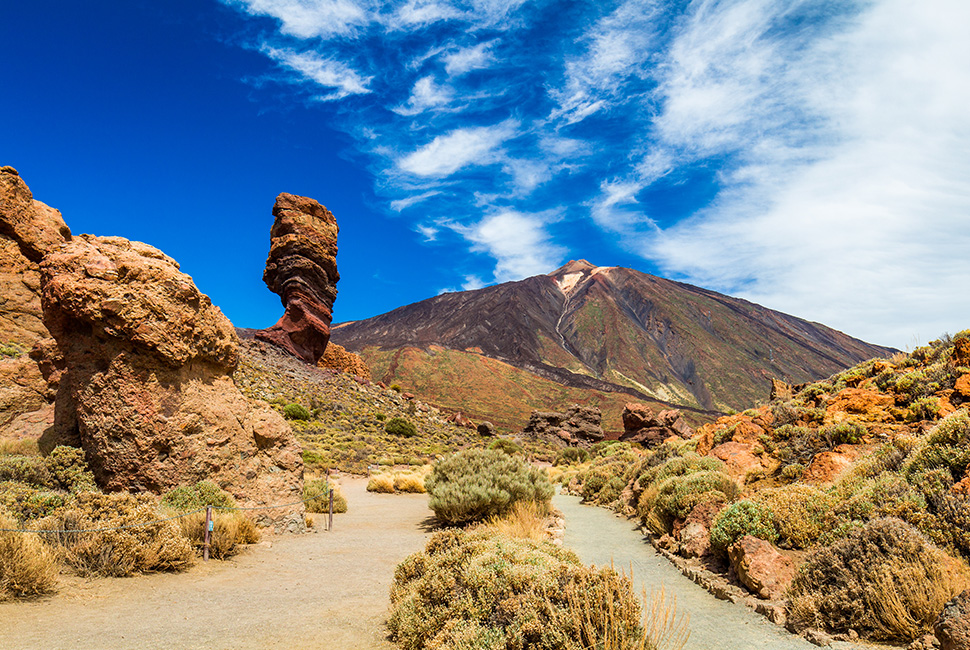
Teide National Park, Tenerife
Spain’s highest peak at 12,200 feet springs from the approximate nine-mile-wide Las Cañadas caldera, formed by volcanic collapses over millions of years. The Roques de García’s towering rock formations shoot up from the crater floor like cathedral spires, while pumice fields stretch to every horizon.
Cable car access reaches 11,660 feet, and summit permits allow the final climb to Spain’s highest point. Above 6,500 feet, bizarre formations and clarity of light create otherworldly landscapes. Book the cable car for late afternoon to watch sunset light up the volcanic landscape or get permits for the pre-dawn hike to see sunrise from the summit.
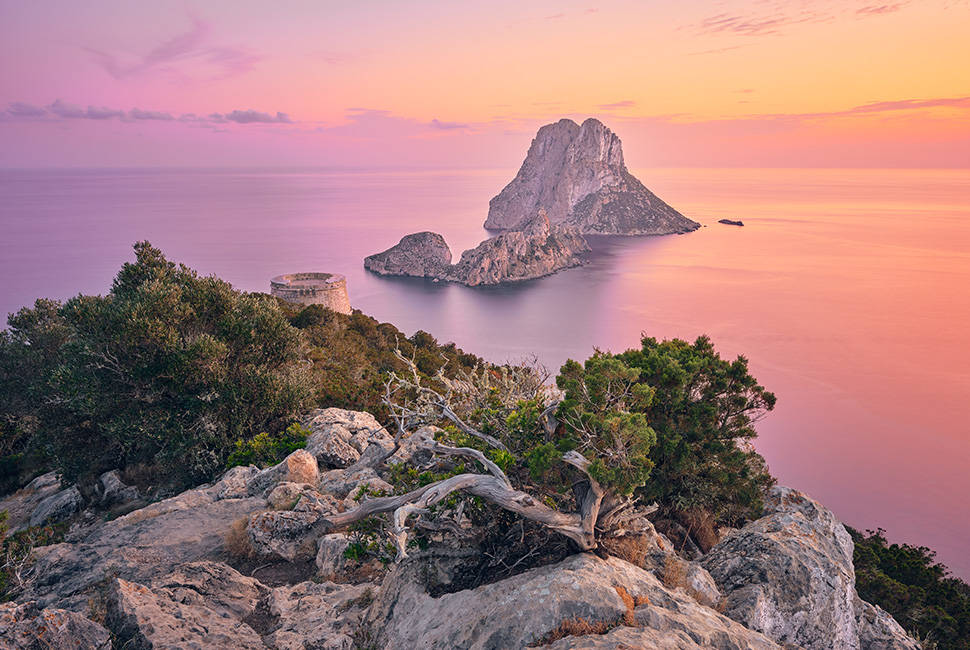
Es Vedrà, Ibiza
This 1,350-foot limestone monolith juts out of the turquoise waters 1.5 miles off Ibiza’s coast. The uninhabited island has inspired countless legends, with locals claiming it’s the tip of Atlantis or the third most magnetic place on Earth.
The perfect triangular silhouette creates one of the Mediterranean’s most photographed scenes, especially from Cala d’Hort beach, where seafood restaurants offer front-row seats to the daily sunset show. Arrive at Cala d’Hort well before sunset to secure a beachfront table at Es Boldado restaurant for grilled fish, sangria and an unobstructed view of the mysterious island.
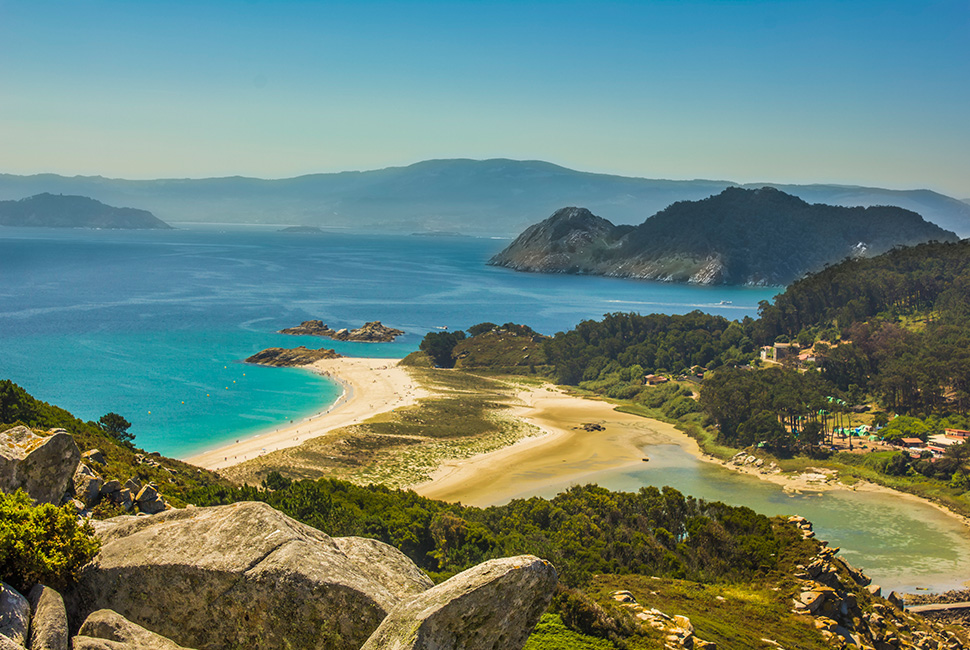
Cíes Islands, Galicia
These three uninhabited islands off Vigo cap visitor numbers — 1,800 per day from mid-May to mid-September, dropping to between 250 and 450 per day the rest of the year. Rodas Beach ranks among the world’s finest, with powder-white sand and turquoise Atlantic waters. Hiking trails connect hidden coves, lighthouse viewpoints and archaeological remains.
The unique microclimate creates Mediterranean vegetation despite the Atlantic location. Ferry bookings sell out quickly in summer, so reserve tickets online months ahead for July and August visits. Once you arrive, follow the marked trail to the lighthouse at Faro de Cíes for panoramic views over the Galician coast and the open Atlantic.
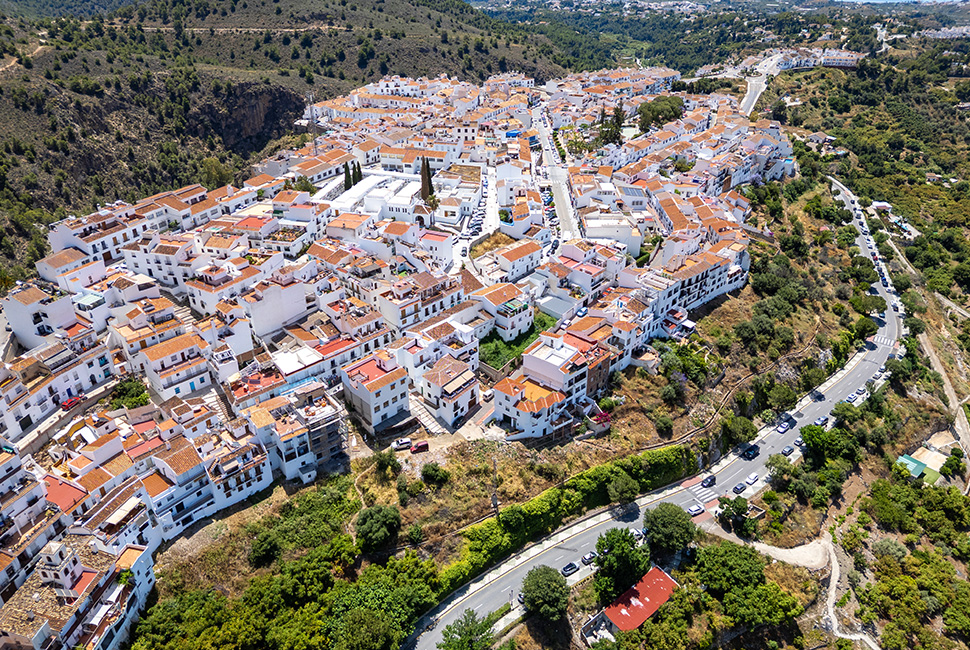
Frigiliana, Andalusia
Widely considered one of Spain’s most beautiful villages, Frigiliana is a hillside town of whitewashed houses and winding cobblestone streets. Narrow alleys curve between homes draped in purple bougainvillea, while small shops sell handmade pottery and woven baskets.
Moorish irrigation channels still carry mountain water, feeding terraced gardens of oranges and almonds. From rooftop terraces, the view stretches across the valley to the Mediterranean. Take the historic mosaic trail through the old quarter that tells the story of the 1569 Moorish rebellion, ending at the viewpoint overlooking the coastal plains.
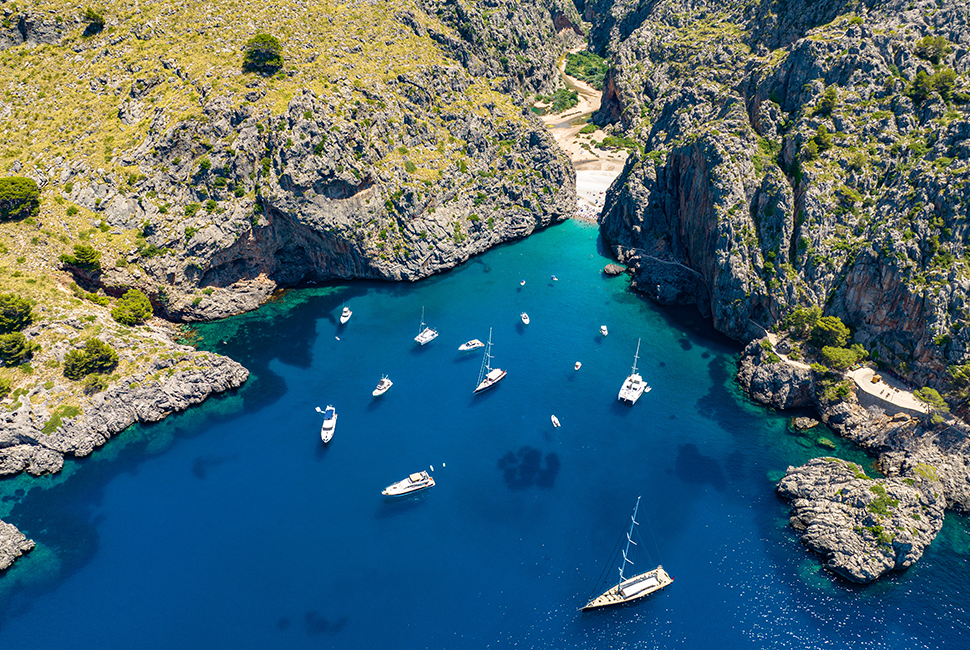
Sa Calobra, Mallorca
Accessible only via one of Europe’s most winding mountain roads, the small cove and hamlet of Sa Calobra hides at the base of the Serra de Tramuntana mountains. The serpentine route descends through hairpin bends and rock tunnels, making driving part of the adventure.
The Torrent de Pareis gorge opens into a pebble beach surrounded by 1,000-foot limestone cliffs. The gorge forms a natural amphitheater where classical concerts echo off canyon walls each July. Drive the famously sharp road in the early morning to avoid tour buses, then scramble through the rock tunnel that opens onto the secret beach surrounded by towering rock walls.
