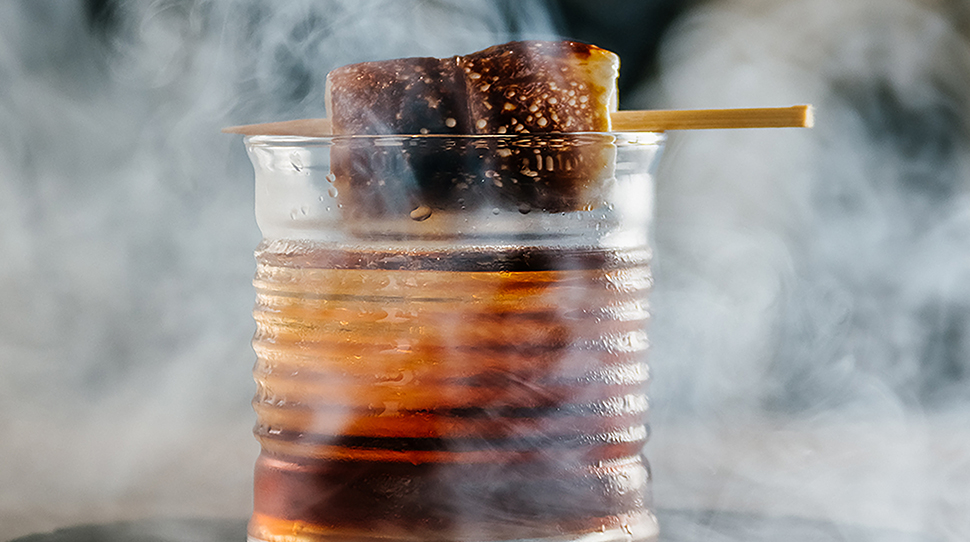
Nairobi is shedding its long-held reputation as a mere gateway for safaris. Instead, the dynamic Kenyan capital is breaking out as the next hot cocktail destination.
Kenyan craft cocktails trace their beginnings to the Dawa (Swahili for “medicine”), a refreshing caipiroska-like libation invented at Carnivore restaurant in 1980 made of vodka, fresh lime and sugar. Finishing it off is a thick “dawa stick” dipped in local honey. But the limited cocktail scene was mostly shaped around classic colonial-style service in luxury hotels and on safaris, which meant plenty of gin and tonics.
That started to change about a decade ago. Bars began spotlighting bartenders and giving them a platform. The leader among them was Hero, Nairobi’s first speakeasy. Hidden behind red fake freezer doors on top of the Trademark Hotel, it captured international attention after opening in 2019.
Shamim Ehsani, whose family-owned and -operated Tribe Hotel Group includes the Trademark and sister property Tribe Hotel, says he was frustrated with people’s misperceptions of Nairobi as dangerous, stemming in part from the U.S. Embassy bombing in 1998. “I want Nairobi to be known for something that is true: its creativity, how eclectic and energetic the city is, and the variety of things to do here,” Ehsani says.
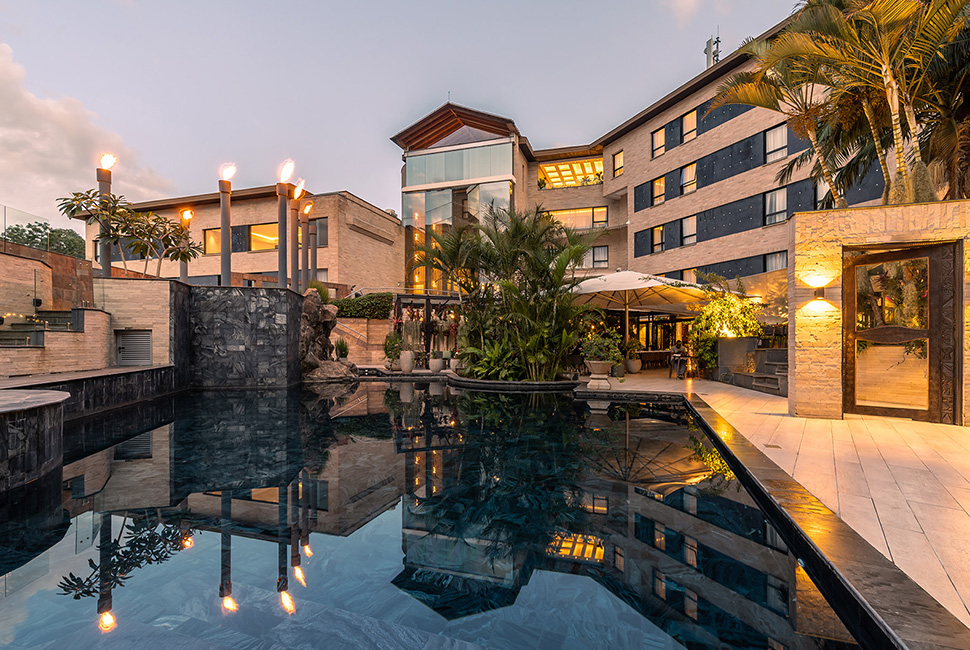
That’s how he came up with Hero, a bar that was a superhero lair. And while the concept seems universal and the cuisine is influenced by Japan, a closer look reveals African touches everywhere.
Because raw fish isn’t as popular among locals, Hero does a Kenyan take on sushi and uses cooked meats, like the delicious teriyaki pork roll with glazed pork belly, bacon bits, crab and tempura spinach wrapped in sushi rice from a Kenya-based Japanese farmer. The colorful muraled walls featuring everything from dragons to warriors come from Lithiumized, a graffiti artist who paints the ostentatious exteriors of matatus, the tricked-out buses that are a primary mode of transportation in the city. The comic book menu is the work of Kenyan artist Salim Busuru, who has collaborated with Marvel and packs social commentary into each “volume” (they have actual stories — one was based on a real-life tale of a Kenyan cult leader).
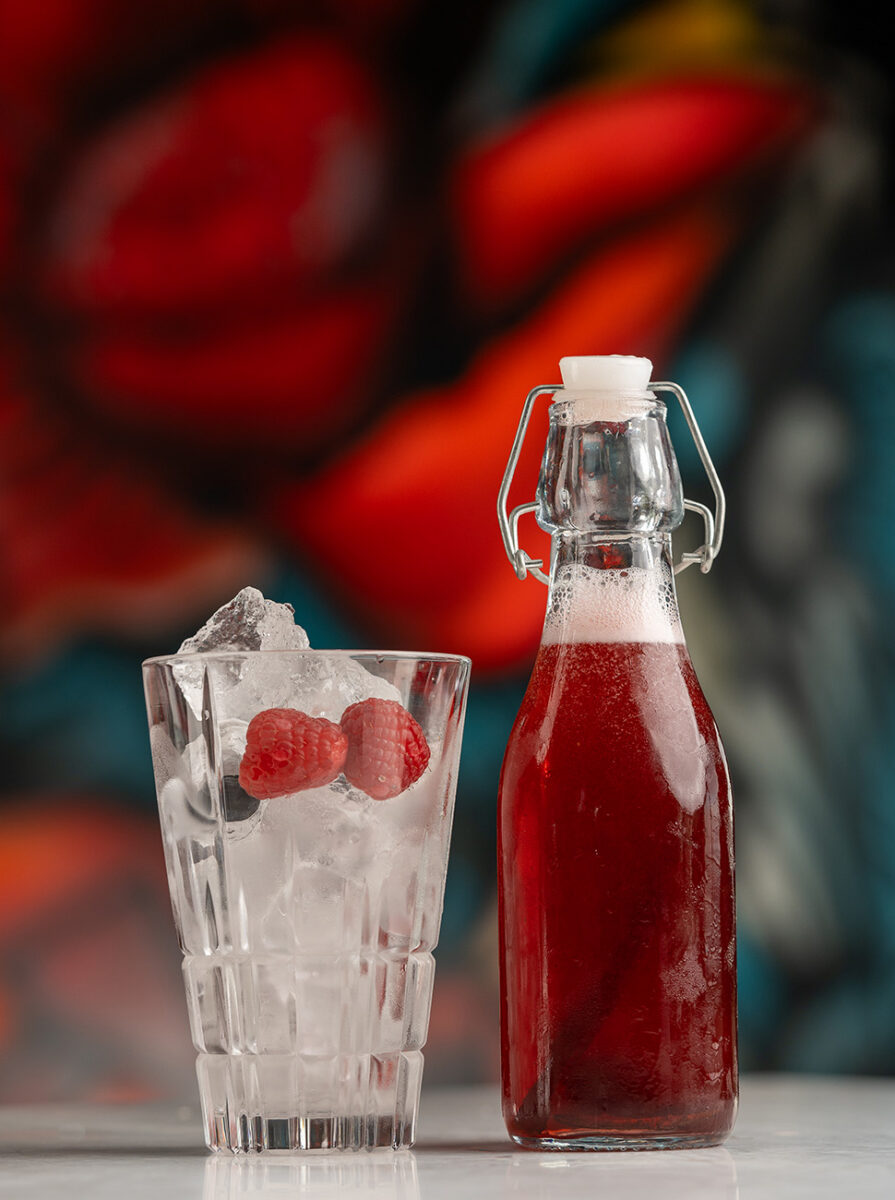
Most important, African ingredients are the protagonists in the cocktails. The spicy-sour Highly Sassy features Ketel One vodka infused with the Ethiopian spice blend berbere, a syrup made with African superfruit baobab, black tea and lime. The Hibiscus Disco puts the African flower in the spotlight with Tanqueray, agave, housemade bitters and hibiscus kombucha.
According to Richie Barrow, group food and beverage general manager of Tribe Hotel Group, this young movement is just scratching the surface of Kenya’s culinary heritage. He says in the past, colonization pushed farmers away from traditional ingredients to cash crops, and the nation is just starting to rediscover its native products.
“The bartenders themselves are going back to their homes and talking to elders and traditional medicine men,” says Barrow, who was born in Kenya. “They’re starting to uncover ingredients that I don’t think have ever been used in cocktails.”
Mixologists are also getting more native, terroir-driven spirits to work with: the country’s first gin distilleries, including trendy KO and high-end Procera (the first to use fresh African juniper berries), were founded in 2018.
Hero has since pushed the craft forward by opening East Africa’s first cocktail lab. Barrow says it was a natural progression as they started inviting bartenders from around the globe to do guest stints at the bar and had to accommodate their equipment needs. The space holds more advanced technology, such as sous vide machines, reverse spherification sets to create caviar-like pearls and edible cloud kits.
“It’s very rare that you’re operating in a market where you can actually mold what the cocktail scene might look like,” Barrow says.
The momentum culminated in the first Kenya Bartender Week last year, bringing together more than 40 top bars across the country to serve drinks with at least one Kenyan ingredient.
Nairobi was the nexus of the weeklong celebration. Bartenders traveled from all over the world to take over prominent Nairobi bars: Cape Town’s Fable mixed cocktails like The Golden Path (an effervescent floral blend of rose and loquat liqueur, soda, blanc de blancs and rose petal garnish) at Jekyll & Hyde’s dark bar with sinister art on its walls. Johannesburg’s Sin+Tax popped up in the warm, chic Beit é Selam pouring drinks like the complex Pillow Talk (KO Classic Gin, vanilla, butter, shiitake mushroom, coconut milk, jasmine tea and pinot noir). And Naked Athens brought its clarified strawberry bloody mary to Hero.
The luxurious Tribe Hotel was the basecamp for many festivities, hosting educational panels for the bar community. Sessions that tackled topics like mentorship and creating safe spaces for women, and a lively outdoor Cocktail Festival finale showcased 20 to 25 drinks from the participating bartenders.
“It’s something great for the continent,” says Kojo Aidoo, manager of Front/Back Accra in Ghana, about the event. Aidoo did a takeover of party hot spot The Alchemist. “The tourism aspect in Africa is shifting to gastronomy and drinks. So, this is something which is amazing — we need more bars on board.”
Hanna Lee Communications, a New York-based multimedia PR and marketing agency, founded Worldwide Bartender Week. They collaborated with Hero Bar’s Ehsani and Barrow, who launched the inaugural Kenya Bartender Week and said that a second edition is coming in early 2027.
“It was a success,” Barrow says about the weeklong event. “It was good for the city to witness how serious we are about trying to build Nairobi. It’s a catalyst for change and a wider conversation around hospitality.”
